 English
 Español
 عربى
عربى

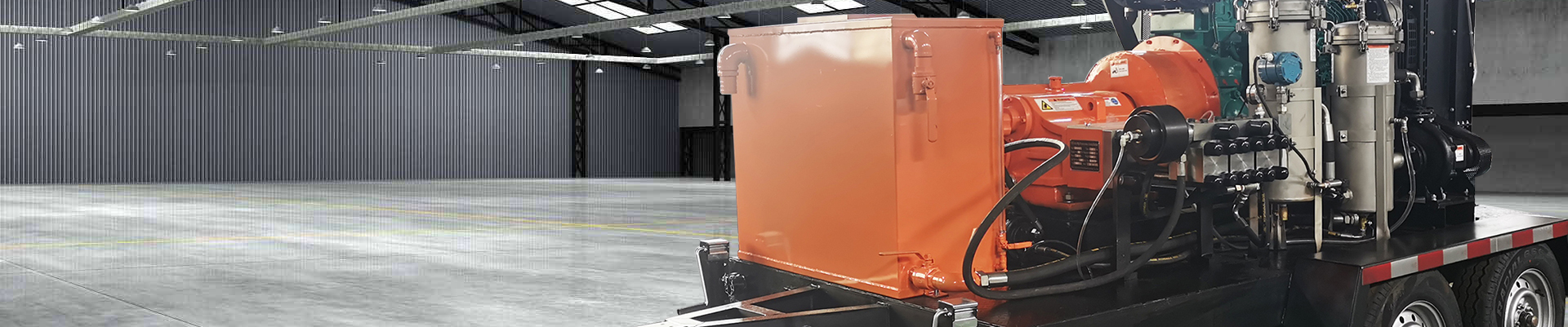
information to be updated



Understanding Ultra High Pressure Water Jetting Technology Ultra high pressure water jetting relies on a straightforward physical principle: water is pressurized by a triplex or intensifier pump, then forced through a small-diameter orifice at extremely high velocity. The resulting jet carries enough kinetic energy to...
READ MOREWhy Hose Size Is the Hidden Variable in Pressure Washer Output Most buyers focus on pump horsepower, PSI ratings, or nozzle style when they shop for cleaning equipment, yet the hose connecting the pump to the wand is often the single component that quietly limits real-world performance. A hose that is too narrow choke...
READ MOREIndustrial pipe maintenance, structural lining preparation, and municipal mainline clearance operations rely heavily on hydro-mechanical force. While the high-pressure displacement pump serves as the prime mover that generates fluid volume and potential energy, the actual structural remediation work happens exclusivel...
READ MOREA quintuplex piston pump refers to a high-pressure reciprocating pump device in which five pistons (or plungers) are arranged in parallel within a single pump housing and operate together. The core principle is using a crankshaft or cam drive mechanism to drive the five pistons in reciprocating motion, drawing fluid from the suction side, compressing it, and then discharging it at high pressure.
Typical design elements include:
When the drive source (electric motor or diesel engine) rotates the crankshaft, the five pistons operate with phase offsets and alternate in their working cycles, resulting in relatively smooth discharge flow with reduced pulsation.
An Electric Quintuplex Piston Pump typically uses an asynchronous motor or DC motor. Key advantages include:
In industries requiring stable high-pressure water supply and relatively clean environments, an Electric Quintuplex Piston Pump is often used in:
Because electric systems are easier to integrate into automation, they suit continuous operation well.
A Diesel Quintuplex Piston Pump offers its own advantages, especially in remote or off-grid locations. These include:
However, diesel drive also has challenges:
In design, matching between the engine and pump must be carefully considered to ensure stable operation at high pressure without excessive impact from the diesel engine.
Under high pressure, components such as pistons, cylinder sleeves, connecting rods, and valve seats endure immense shear, tensile, and wear forces. They must be made of high-strength alloys or undergo surface treatments (e.g. nitriding, hard chrome plating) to enhance durability.
Seal failure is a common cause of high-pressure pump breakdowns. In design, one should consider:
The inlet and outlet valve design must minimize pressure drop, resist cavitation, and respond quickly. Smooth flow passages, avoidance of dead zones, and reducing abrupt velocity changes are key to stable performance and longer life.
Although five pistons working in staggered phases help cancel out some vibration, in high-speed, high-pressure conditions precise centroid balancing, optimized linkage layout, and vibration dampers are still necessary.
If a stable electrical supply is available at the site, prioritize an Electric Quintuplex Piston Pump; if located in power-scarce or remote sites, a Diesel Quintuplex Piston Pump may be preferable.
When the system demands extremely high pressure and large flow, you should choose a High Pressure Quintuplex Piston Pump, and match the pump housing design to the desired pressure level.
If the equipment runs continuously for long periods, electric solutions tend to incur lower maintenance costs; for intermittent use or frequent relocation, the diesel option may offer greater flexibility.
In areas with stringent emission control, favor electric or low-emission solutions, or upgrade the exhaust treatment systems for diesel pumps.
| Metric | Electric Quintuplex Piston Pump | Diesel Quintuplex Piston Pump |
| Start Response | Fast, instantaneous startup | Relatively slow, needs warm-up and fuel supply |
| Speed Control | Good, controlled by VFD | Complex, may need mechanical throttling or gearbox |
| Maintenance Complexity | Simple, easier maintenance | Extra engine & fuel system maintenance required |
| Application Environment | Indoor or stable-power scenarios | Remote, off-grid areas |
| Emissions | Zero fuel emissions | Requires exhaust and emissions compliance |
This comparison highlights that the Electric and Diesel variants each have tradeoffs; the optimal choice depends on the specific application environment and technical demands.
Seal wear is a common failure cause, so replace sealing rings, inspect packing or end seals on schedule. The lubrication system must remain clean, with sufficient flow and quality oil.
Under low suction pressure or poor inlet conditions, cavitation should be prevented. Methods include enlarging inlet piping, shortening suction path, installing pressure stabilizers or buffer tanks.
During long operation, install vibration monitoring to detect abnormal amplitude early; if vibration is excessive, perform dynamic balancing or structural adjustment.
Establish a periodic inspection regime, including checking bearing temperature, oil temperature, pump body deformation, loose fasteners, etc., to catch potential issues early.
In high-pressure systems, the roles of Electric Quintuplex Piston Pump, Diesel Quintuplex Piston Pump, and High Pressure Quintuplex Piston Pump are pivotal. Key emerging trends include:
Among these, the Electric Quintuplex Piston Pump may play an increasingly important role in high-pressure domains due to its electric drive advantages; the Diesel Quintuplex Piston Pump will remain indispensable in remote or emergency settings; and the High Pressure Quintuplex Piston Pump as a core technological form will profoundly influence sectors such as high-pressure cleaning, rock fracturing, deep hole grouting, etc.
In the high-pressure pump industry, customers prioritize safety, stability, longevity, and reliability. To achieve these, rigorous standards and quality control are mandatory.
Our products strictly accord with JB/T8093-1999 standard and have passed through ISO9001 quality system certification. In our production and quality control processes, we continuously adhere to precision machining, rigorous inspection, and full traceability. We focus on world leading technology, introduce the German KAMAT technology, and constantly improve the quality system of our excellent products such as cleaning equipment and so on. Through this technical investment and system discipline, our equipment maintains superior stability and lifespan under high pressure and long-term operating conditions.
When communicating with clients, we do not abruptly insert promotional language. Instead, we naturally present our technical strength and quality commitment based on data, standards, and test benchmarking results.
This article explores in depth Electric Quintuplex Piston Pump、Diesel Quintuplex Piston Pump 与 High Pressure Quintuplex Piston Pump The contents cover the structural principles, advantages and disadvantages comparison, key design features, selection recommendations, maintenance points and industry trends of these three types of quintuple piston pumps. Through these contents, readers should gain a comprehensive understanding of these three types of quintuple piston pumps.
In actual engineering applications, a comprehensive consideration of factors such as power supply conditions, environmental restrictions, pressure/flow requirements, maintenance capabilities, and regulatory requirements should be considered to make a reasonable model selection. With the advancement of materials, intelligence, and manufacturing processes, quintuple piston pumps will evolve towards higher efficiency, greater pressure, and longer life.
If you would like to further discuss model matching, system design or reliability analysis under a specific working condition, please feel free to continue communicating.

