 English
 Español
 عربى
عربى


In the demanding world of industrial maintenance and operations, efficiency, safety, and cost-effectiveness are paramount. High pressure cleaning and pumping systems have emerged as indispensable tools, offering a powerful and versatile solution for a wide range of challenging tasks. From removing stubborn contaminants to ensuring hygienic processing environments, these systems deliver significant advantages over traditional cleaning methods. This article delves into the top ten benefits of integrating these robust systems into your industrial workflow, highlighting how they can optimize performance, reduce operational costs, and enhance workplace safety. We will also explore specific applications and considerations, such as industrial pressure washer specifications guide and the cost of high pressure pumping unit installation, to provide a comprehensive understanding of their value proposition.
1. Unmatched Cleaning Efficiency and Power
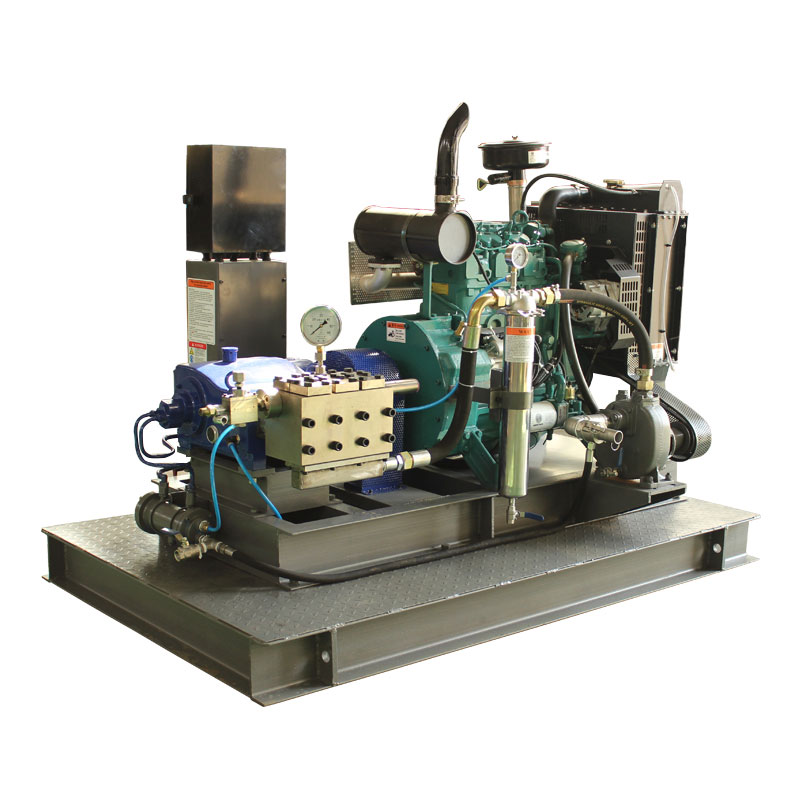
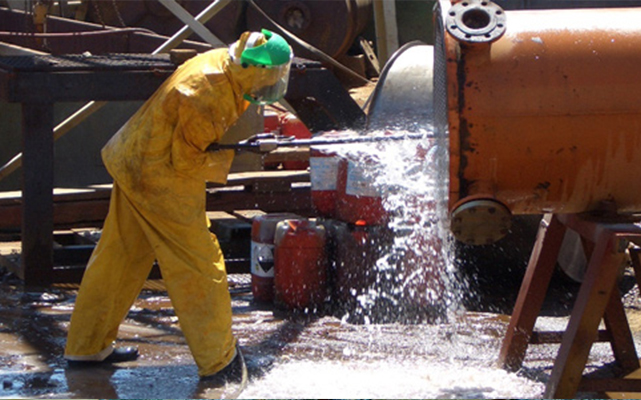
The primary advantage of high pressure cleaning and pumping systems lies in their raw cleaning power. These systems generate immense water pressure, measured in PSI (Pounds per Square Inch), and high flow rates, measured in GPM (Gallons Per Minute), to blast away grease, grime, chemical residues, and other tenacious deposits that manual scrubbing or low-pressure washing cannot tackle. This mechanical action, which relies on force rather than excessive chemicals, significantly reduces cleaning time. What might take a crew hours to scrub clean can be accomplished in a fraction of the time with a high-pressure system. This efficiency translates directly into reduced labor costs and minimized equipment downtime, allowing for faster return-to-service of critical assets. The key to harnessing this power effectively is understanding the specific requirements of your application, which is where consulting an industrial pressure washer specifications guide becomes crucial to select the right combination of pressure and flow.
- Deep Cleaning: The jet stream penetrates microscopic pores and cracks in surfaces, ensuring a level of cleanliness that is not just superficial but foundational, which is vital for preventing contamination and material degradation.
- Versatility: With a range of nozzles and attachments, the same system can be used for delicate rinsing tasks or aggressive surface preparation like paint and rust removal.
- Reduced Chemical Usage: While often used in conjunction with eco-friendly detergents, the high-pressure water itself does most of the work, minimizing the need for harsh, expensive, and environmentally damaging chemicals.
2. Significant Cost Savings and Return on Investment (ROI)
While the initial cost of high pressure pumping unit installation is a consideration, the long-term financial benefits are substantial and contribute to a compelling ROI. The efficiency gains directly reduce labor expenses, as fewer person-hours are required for cleaning tasks. Furthermore, the proactive and thorough cleaning enabled by these systems extends the operational life of machinery, flooring, and infrastructure. By preventing the buildup of corrosive substances and ensuring equipment runs at optimal efficiency, companies avoid costly repairs and premature replacements. Reduced consumption of cleaning chemicals also contributes to ongoing savings. When evaluating the cost of high pressure pumping unit installation, it is essential to factor in these cumulative savings over the system's lifespan, which often far outweigh the initial capital outlay.
- Labor Cost Reduction: Automating the most labor-intensive part of cleaning frees up skilled workers for more value-added tasks.
- Asset Longevity: Regular, effective cleaning prevents corrosion, wear, and tear, protecting your capital investments in plant equipment.
- Energy Efficiency: Clean heat exchangers, condensers, and other thermal systems operate more efficiently, reducing energy consumption and utility bills.
Cost-Benefit Analysis Overview
The following table provides a simplified comparison of operational costs between traditional cleaning methods and modern high-pressure systems over a typical year. This analysis helps in justifying the initial investment by highlighting the areas of significant savings.
| Cost Factor | Traditional Cleaning | High-Pressure Systems |
| Labor Hours | High | Low |
| Chemical Consumption | High | Low to Moderate |
| Water Usage | Moderate to High | Optimized (with variable controls) |
| Equipment Repair Frequency | Higher | Lower |
| Annual Downtime for Cleaning | Significant | Minimal |
3. Enhanced Workplace Safety and Hygiene
Industrial facilities can harbor numerous safety hazards, from slippery floors caused by oil spills to biological growth in damp areas. High pressure cleaning and pumping systems are powerful allies in promoting a safer work environment. They efficiently remove substances that cause slips, trips, and falls, which are among the most common workplace accidents. In food processing, pharmaceutical, and chemical plants, maintaining impeccable hygiene is non-negotiable. These systems sanitize surfaces by removing allergens, pathogens, and biofilms, ensuring compliance with stringent health and safety regulations like HACCP, FDA, and OSHA standards. This proactive approach to cleaning mitigates risks and fosters a culture of safety, protecting both employees and the end consumer. Understanding the best practices for industrial drain jetting is a key component of this, as it ensures that waste removal pathways are clear and sanitary, preventing backups and contamination.
- Slip and Fall Prevention: Rapid removal of oils, greases, and other residues from floors and walkways.
- Pathogen Control: High-pressure hot water systems are particularly effective at eliminating bacteria and viruses from surfaces.
- Hazardous Contaminant Removal: Safely cleans areas contaminated with non-volatile hazardous materials without spreading them, especially when using recovery systems.
4. Environmental Benefits and Sustainability
Modern high pressure cleaning and pumping systems are designed with environmental stewardship in mind. A core principle of their operation is the reduction of chemical usage, as mentioned earlier. Furthermore, many industrial systems are equipped with water recycling and reclamation features, dramatically cutting down on freshwater consumption. They also help in proper waste management; for instance, by using a sewer pressure jetter for clogged lines, companies can clear blockages without the need for harsh, soil-contaminating chemical drain cleaners. The resulting wastewater can often be contained and treated appropriately, preventing pollutants from entering the storm drain system. This aligns with corporate sustainability goals and helps companies comply with increasingly strict environmental protection regulations.
- Water Conservation: High-pressure cleaning uses less water overall compared to low-pressure hosing because the force does the work, not the volume.
- Chemical Reduction: Minimizing the use of synthetic detergents reduces the chemical load on water treatment facilities and the environment.
- Waste Stream Management: Integrated systems can separate oils and solids from wastewater, allowing for proper disposal or recycling.
Comparing Environmental Impact
This table contrasts the environmental footprint of conventional cleaning approaches versus using optimized high-pressure systems, underscoring their role in sustainable industrial operations.
| Environmental Factor | Conventional Cleaning | Optimized High-Pressure System |
| Freshwater Usage | Higher | Lower (with potential for recycling) |
| Chemical Pollutants Released | Higher | Significantly Lower |
| Energy Consumption | Varies | Optimized for task (e.g., on-demand heating) |
| Waste Control | Often Uncontrolled | Contained and Managed |
5. Versatility Across Multiple Industrial Applications
The utility of high pressure cleaning and pumping systems spans virtually every industrial sector. Their adaptability is one of their greatest strengths. A single system, when configured correctly, can perform a diverse set of tasks. In manufacturing, they clean production lines, molds, and assembly parts. In the automotive and aerospace industries, they are used for degreasing engines and stripping paint from components. The agricultural sector uses them for cleaning barns, equipment, and storage tanks. Furthermore, specific tools like a sewer pressure jetter for clogged lines are essential for municipal and facility maintenance to keep drainage systems flowing. This cross-functional applicability means that the investment in a high-pressure system delivers value across multiple departments and functions within an organization.
- Manufacturing: Cleaning conveyor belts, removing release agents from molds, and preparing surfaces for painting or coating.
- Food & Beverage: Sanitizing tanks, vats, processing equipment, and floors to meet hygiene standards.
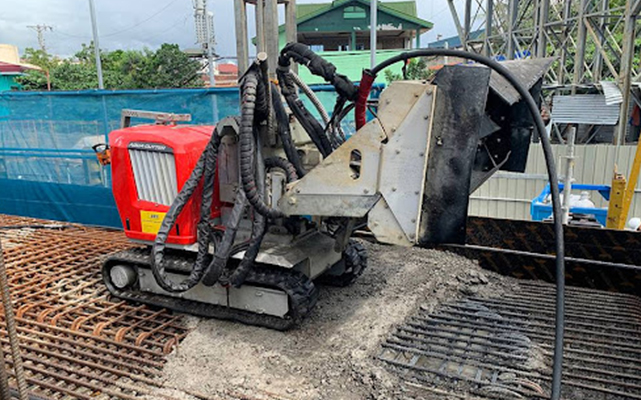
- Construction: Cleaning heavy machinery, preparing concrete surfaces, and removing debris from sites.
- Transportation: Washing fleets of trucks, trains, and aircraft, both exteriors and interiors.
6. Improved Operational Efficiency and Productivity
Beyond direct cleaning, these systems contribute to the overall smoothness and productivity of industrial operations. When equipment is clean, it tends to run better and with fewer breakdowns. Heat transfer systems, for example, operate at peak efficiency only when free of fouling. Regular cleaning with high-pressure systems maintains this efficiency, preventing production slowdowns caused by overheating or reduced output. The speed of cleaning also means that maintenance windows can be shorter, getting equipment back online faster. This reduction in downtime is a critical factor in maximizing production throughput and meeting tight delivery schedules. The ability to quickly respond to spills or accidents with a powerful cleaning system also minimizes disruption to the workflow.
- Preventive Maintenance: Integrating high-pressure cleaning into a preventive maintenance schedule prevents small issues from becoming major failures.
- Process Optimization: Clean machinery operates as designed, ensuring consistent product quality and output rates.
- Rapid Response: The ability to quickly clean up spills or messes keeps production areas safe and operational with minimal delay.
7. Effective Preventive Maintenance
Proactive care is always more cost-effective than reactive repairs. High pressure cleaning and pumping systems are a cornerstone of an effective preventive maintenance program. By regularly removing abrasive dirt, corrosive salts, and insulating grime from equipment, these systems prevent the underlying damage that leads to component failure. For example, cleaning the fins on an air-cooled condenser ensures proper airflow and prevents the compressor from overworking and burning out. Similarly, following the best practices for industrial drain jetting prevents drain lines from becoming completely blocked, which can lead to expensive excavation and repair. This proactive approach not only saves money but also enhances the predictability and reliability of the entire operation.
- Corrosion Inhibition: Removing moisture-trapping debris and corrosive substances from metal surfaces.
- Overheating Prevention: Ensuring cooling fins, jackets, and radiators are free of obstructions.
- System Longevity: Extending the service life of everything from factory floors to complex machinery.
8. Preparation for Surface Treatment and Coating
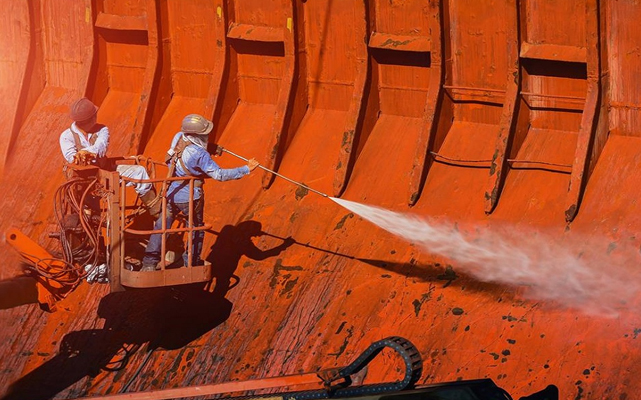
For any coating, paint, or lining to adhere properly and perform as expected, the substrate must be impeccably clean. High pressure cleaning and pumping systems, especially when used for abrasive blasting (water blasting with an abrasive media), provide an ideal surface profile for coating adhesion. They remove old paint, rust, mill scale, and contaminants down to the bare metal, creating a clean, textured surface that maximizes the bond with the new coating. This is critical for protecting assets from corrosion in harsh industrial environments. A properly prepared surface means the coating will last longer, perform better, and require less frequent reapplication, resulting in significant long-term savings on materials and labor.
- Surface Profiling: Creates the optimal anchor pattern for coatings to mechanically bond to the surface.
- Contaminant Removal: Eliminates salts, oils, and dust that can cause coating failure.
- Efficiency: Much faster than manual grinding or sanding for large-scale surface preparation projects.
9. Compliance with Industry Regulations
Industries such as food processing, pharmaceuticals, and chemicals are governed by a web of strict regulations concerning cleanliness and sanitation. Failure to comply can result in hefty fines, product recalls, and reputational damage. High pressure cleaning and pumping systems provide a verifiable and effective method for meeting these regulatory requirements. They deliver the consistent, high-level cleaning needed to pass audits and inspections. Documentation of a regular cleaning schedule using effective equipment is often a key part of demonstrating compliance. Utilizing a sewer pressure jetter for clogged lines also ensures that waste disposal systems meet health and environmental codes.
- Audit Readiness: Provides a reliable and repeatable process for maintaining audit-ready facilities.
- Documentation Support: The effectiveness of the cleaning can be easily documented for regulatory bodies.
- Risk Mitigation: Significantly reduces the risk of non-compliance and its associated penalties.
10. Long-Term Asset Protection and Value Retention
Ultimately, the cumulative effect of all the previous benefits is the long-term protection and value retention of a company's physical assets. Buildings, machinery, vehicles, and infrastructure represent enormous capital investments. High pressure cleaning and pumping systems act as a protective measure, safeguarding these investments from the gradual deterioration caused by dirt, corrosion, and neglect. A well-maintained facility not only operates more efficiently but also retains a higher resale value. It projects an image of professionalism and care to clients and partners. The decision to invest in a high-pressure system, guided by a thorough industrial pressure washer specifications guide and a clear understanding of the cost of high pressure pumping unit installation, is fundamentally a decision to protect and enhance the company's physical capital for years to come.
- Preservation of Structural Integrity: Prevents the degradation of building materials and structural components.
- Maintained Equipment Value: Well-maintained machinery has a higher salvage and resale value.
- Corporate Image: A clean, well-kept facility creates a positive impression on visitors and potential clients.
FAQ
What is the difference between PSI and GPM in high-pressure systems?
PSI (Pounds per Square Inch) and GPM (Gallons Per Minute) are the two most critical specifications for any high pressure cleaning and pumping system. They work together to determine the overall cleaning effectiveness, which is often referred to as "impact." PSI is the measure of water pressure, which determines the force with which the water strikes the surface. It is primarily responsible for breaking the bond of tough contaminants. GPM, on the other hand, is the measure of water flow volume. It governs the area that can be covered and is responsible for flushing the debris away once it has been broken loose. A common analogy is that PSI is like the "brains" that breaks things apart, while GPM is the "brawn" that carries it away. For heavy-duty industrial tasks, a balance of high PSI and high GPM is typically required. An industrial pressure washer specifications guide will help you find the right balance for your specific applications, as focusing on only one metric can lead to unsatisfactory results.
How do I determine the right pressure washer for my industrial facility?
Selecting the correct machine requires a careful assessment of your needs. The first step is to identify the primary tasks it will perform. Will it be used for light rinsing, heavy-duty degreasing, surface preparation, or a combination? Consult an industrial pressure washer specifications guide to match the PSI and GPM to your toughest cleaning job. Consider the power source (electric, diesel, gasoline), the need for hot or cold water (hot water is superior for cutting grease and sanitizing), and portability requirements. It is also crucial to factor in the cost of high pressure pumping unit installation, which may include necessary accessories, water filtration, and potential plumbing modifications. Ultimately, consulting with a specialist who understands industrial applications is highly recommended to ensure you invest in a system that delivers performance, reliability, and a strong return on investment.
Are high-pressure cleaning systems safe for all surfaces?
While incredibly effective, high-pressure systems are not universally safe for all surfaces. The intense pressure can damage soft woods, etch concrete if used incorrectly, strip paint from desired surfaces, and damage electrical components. The key to safe operation is understanding the surface material and using the appropriate pressure, nozzle, and technique. For example, a wide fan nozzle used at a greater distance is safer for cleaning finished surfaces, while a zero-degree nozzle is for focused, aggressive cleaning on robust materials like steel. Training operators on the best practices for industrial drain jetting and surface cleaning is essential to prevent accidental damage. Always test the pressure on an inconspicuous area first and start with lower pressure settings, increasing only as needed.
What are the best practices for maintaining a high-pressure pump system?
Proper maintenance is vital for the longevity and reliable performance of your investment. The core principle is to prevent damage to the pump, which is the heart of the system. Always follow the manufacturer's guidelines. Key practices include: using clean, filtered water to prevent abrasive particles from entering the pump; never letting the pump run without water flowing, as this quickly destroys seals (a condition known as "running dry"); releasing the trigger gun pressure when the machine is on but not in use to avoid unnecessary strain; and using a pump protector fluid if the system will be stored in freezing conditions. Regularly check and replace worn nozzles, hoses, and seals. A well-maintained system will have a much longer service life and lower overall cost of high pressure pumping unit ownership.
Can high-pressure water jetters effectively clear severely clogged industrial drains?
Yes, absolutely. In fact, a sewer pressure jetter for clogged lines is often the most effective and environmentally friendly solution for severe industrial drain blockages. Unlike chemical cleaners that may only create a small channel through a clog, a hydro-jetter uses extreme water pressure and flow to scour the entire interior of the pipe, completely removing grease, sludge, roots, and mineral scale. This not only clears the immediate blockage but also cleans the pipe walls, restoring full flow capacity and helping to prevent future clogs. For the most challenging blockages, it is considered a best practice and is far superior to snaking, which merely punches a hole. However, it requires trained operators and the correct equipment to be performed safely and effectively.