1. Introduction — What Makes the Quintuplex Plunger Pump Unique?
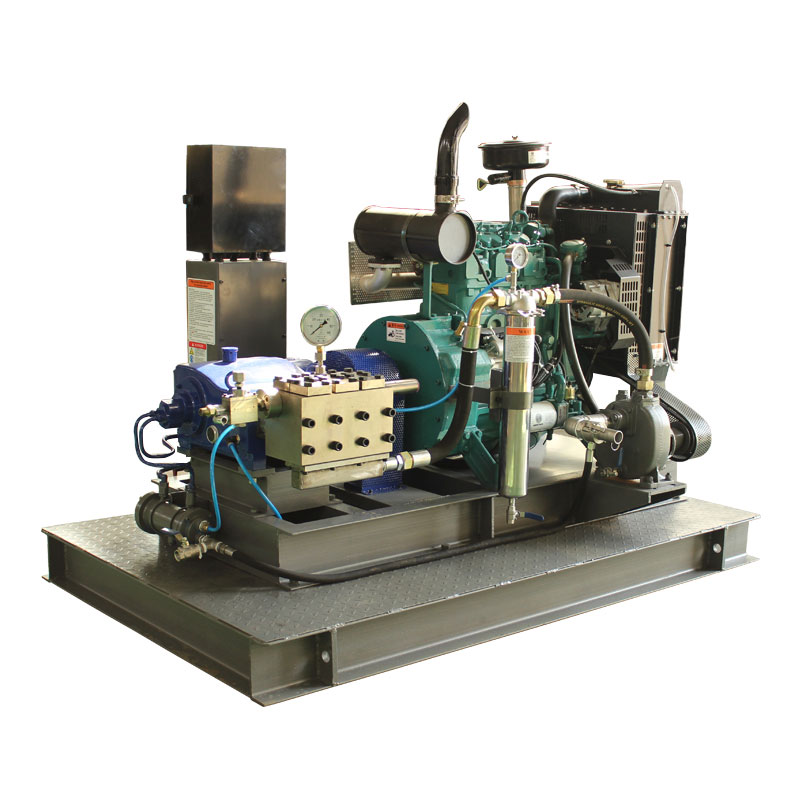
A Quintuplex Plunger Pump is a type of positive displacement pump specifically engineered to deliver high pressure and consistent flow. The term “quintuplex” refers to the five plungers or cylinders that operate in sequence, ensuring smoother fluid delivery compared to triplex or duplex pumps. This unique five-plunger configuration minimizes pressure pulsation, enhances flow stability, and reduces vibration during operation.
Unlike centrifugal pumps that rely on impeller speed to generate pressure, a high pressure quintuplex plunger water pump produces pressure mechanically through reciprocating motion. This allows it to handle extremely demanding applications, such as high-pressure water injection, hydrostatic testing, and industrial jetting systems, where reliability and precision are critical.
The quintuplex design not only increases efficiency but also extends equipment life by distributing mechanical stress across multiple plungers. Its ability to maintain constant discharge even under fluctuating load conditions makes it a preferred choice for industries that require dependable and durable high-pressure performance.
In short, the Quintuplex Plunger Pump stands out for its balance of power, precision, and durability—making it a key component in modern high-pressure fluid systems.
2. How Does a High Pressure Quintuplex Pump Work?
Working Principle
At the heart of a Quintuplex Plunger Pump is the crankshaft, which is connected to five plungers arranged radially or in-line, depending on the design. As the crankshaft rotates, it pushes the plungers forward and backward within their respective cylinders. During the backward stroke, the suction valve opens and fluid enters the chamber. During the forward stroke, the suction valve closes, the discharge valve opens, and the fluid is forced out at high pressure.
This reciprocating action ensures precise fluid displacement per stroke, making the High Pressure Quintuplex Plunger Water Pump ideal for applications that require stable flow and consistent pressure output. Because each plunger operates 72° out of phase from the others (360° / 5 = 72°), the overall discharge pattern is smoother than in triplex pumps, reducing vibration and mechanical stress.
Key Components and Their Functions
| Component |
Function |
Importance |
| Crankshaft |
Converts rotary motion to reciprocating motion |
Central to the pump’s mechanical drive system |
| Crosshead & Connecting Rods |
Transmit motion from the crankshaft to the plungers |
Provide precise stroke alignment |
| Plungers |
Physically displace the fluid in each stroke |
Determine pressure capability and flow rate |
| Fluid End Block |
Houses suction/discharge valves and plungers |
Engineered for strength and corrosion resistance |
| Valves (Suction & Discharge) |
Control fluid direction and prevent backflow |
Ensure pressure integrity and efficiency |
| Packing & Seals |
Prevent fluid leakage during operation |
Maintain pressure and prolong service life |
Operation Cycle Comparison
| Parameter |
Triplex Plunger Pump |
Quintuplex Plunger Pump |
| Number of Plungers |
3 |
5 |
| Flow Smoothness |
Moderate (higher pulsation) |
Very smooth (low pulsation) |
| Pressure Fluctuation |
Noticeable |
Minimal |
| Vibration Level |
Higher due to fewer strokes per cycle |
Lower, smoother operation |
| Maintenance Frequency |
Moderate |
Reduced, due to even load distribution |
| Efficiency at High Pressure |
Good |
Excellent |
| Common Applications |
Cleaning systems, drilling |
Water injection, hydrostatic testing, industrial jetting |
Advantages of the Quintuplex Reciprocating Mechanism
- Superior Flow Stability: With five plungers, the fluid discharge pattern is more continuous, significantly reducing pressure spikes.
- Longer Equipment Life: Evenly distributed mechanical load results in less wear on components.
- Enhanced Energy Efficiency: Reduced pulsation and vibration mean less wasted energy and lower operational noise.
- High Versatility: Suitable for a wide range of fluids — from clean water to viscous chemical solutions — without compromising performance.
3. Key Design Features of a Quintuplex Plunger Pump
1. Fluid End Design
The fluid end of a High Pressure Quintuplex Plunger Water Pump is the section where high-pressure fluid is handled. It is designed to withstand significant stress caused by repeated pressure cycles. High-strength stainless steel or nickel alloys are typically used to resist corrosion and erosion. The fluid end block integrates the suction and discharge valves, valve seats, and plunger packings in a compact yet serviceable layout.
Key aspects of the quintuplex fluid end design include:
| Feature |
Description |
Performance Benefit |
| Material |
Stainless steel / duplex alloy |
Corrosion and fatigue resistance |
| Valve Configuration |
Poppet or disc type |
Reliable sealing at high pressure |
| Plunger Seal Type |
High-density packing / ceramic coating |
Leakage control and extended lifespan |
| Cooling System |
Optional fluid or air cooling |
Temperature stabilization during long operation |
2. Power End and Drive Mechanism
| Component |
Function |
Design Advantage |
| Crankshaft |
Translates rotary motion to linear |
Balanced load distribution for smoother operation |
| Connecting Rods |
Link crankshaft and plungers |
High-strength alloy construction reduces fatigue |
| Crossheads |
Maintain plunger alignment |
Prevents lateral wear and extends service life |
| Lubrication System |
Reduces friction and heat |
Ensures long-term reliability under pressure |
3. Cooling, Lubrication, and Sealing Systems
- Forced Lubrication System: Circulates oil through bearings and gears to prevent friction damage.
- Temperature Control: Optional cooling jackets or external heat exchangers regulate oil and fluid temperature.
- High-Integrity Sealing: Multi-stage packing systems prevent leakage, even with abrasive or hot fluids.
4. Durability and Maintenance Optimization
| Design Focus |
Technical Feature |
Benefit to User |
| Serviceability |
Removable covers and modular parts |
Faster maintenance, less downtime |
| Mechanical Balance |
Five-plunger symmetry |
Reduced vibration and noise |
| Efficiency |
Optimized crankshaft geometry |
Lower power consumption |
| Reliability |
Precision-machined components |
Consistent performance over time |
4. Where Are High Pressure Quintuplex Plunger Water Pumps Used?
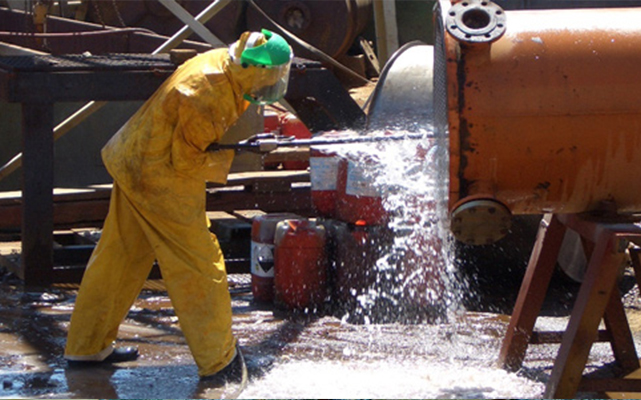
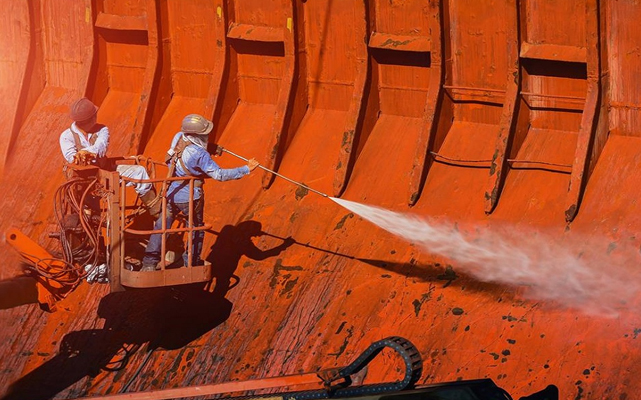
1. Industrial Jetting and Cleaning Systems
| Application Example |
Operating Pressure |
Flow Rate Range |
Benefit of Quintuplex Design |
| Tank and Vessel Cleaning |
10,000 – 20,000 psi |
40 – 150 L/min |
Smooth pressure, uniform jetting |
| Surface Preparation |
15,000 – 40,000 psi |
30 – 100 L/min |
Precise removal without substrate damage |
| Pipe and Tube Cleaning |
12,000 – 25,000 psi |
25 – 120 L/min |
Reduced vibration, improved safety |
2. Water Injection Systems in Oil and Gas
| Application |
Required Pressure |
Fluid Type |
Performance Advantage |
| Water Injection |
10,000 – 30,000 psi |
Produced or treated water |
High efficiency and stable pressure |
| Chemical Injection |
5,000 – 15,000 psi |
Corrosive chemicals |
Corrosion-resistant materials and sealing |
| Produced Water Re-Injection |
8,000 – 25,000 psi |
Brine, seawater |
Continuous duty, minimal maintenance |
3. Desalination and Reverse Osmosis Systems
| Application |
Pressure Requirement |
Flow Rate |
Key Benefit |
| Seawater Reverse Osmosis |
800 – 1,200 psi |
200 – 800 L/min |
Continuous, stable output pressure |
| Brackish Water RO |
400 – 800 psi |
300 – 1,000 L/min |
Low energy consumption and long life |
| Pilot-Scale Testing |
300 – 700 psi |
50 – 200 L/min |
Easy pressure adjustment and precise control |
4. Hydrostatic Testing and Pipeline Pressure Testing
| Test Type |
Typical Pressure Range |
Medium |
Advantage |
| Pipeline Testing |
2,000 – 20,000 psi |
Water or glycol |
Controlled pressure rise and stability |
| Boiler Testing |
5,000 – 15,000 psi |
Water |
Reliable, smooth pressurization |
| Subsea Equipment Testing |
10,000 – 30,000 psi |
Hydraulic fluid |
Compact, low-vibration performance |
5. Performance and Efficiency — Understanding the Quintuplex Reciprocating Plunger Pump Curve
Typical Quintuplex Pump Performance Parameters
| Parameter |
Typical Range |
Description |
| Flow Rate (Q) |
20 – 1,000 L/min |
Adjustable via speed or stroke length |
| Discharge Pressure (P) |
1,000 – 40,000 psi |
Depends on plunger diameter and drive power |
| Power Input (HP or kW) |
10 – 500 kW |
Proportional to flow × pressure |
| Pump Speed (RPM) |
200 – 600 rpm |
Lower speed increases component life |
| Volumetric Efficiency |
90 – 98% |
High, due to minimal leakage and accurate valve timing |
| Mechanical Efficiency |
85 – 95% |
Enhanced by balanced five-plunger mechanism |
| Overall Efficiency |
80 – 93% |
Among the highest in high-pressure pumping systems |
Flow and Pressure Relationship Example
| Discharge Pressure (psi) |
Flow Rate (L/min) |
Input Power (kW) |
Efficiency (%) |
| 5,000 |
320 |
45 |
91 |
| 10,000 |
315 |
60 |
90 |
| 15,000 |
310 |
78 |
88 |
| 20,000 |
300 |
100 |
86 |
| 25,000 |
295 |
120 |
85 |
| 30,000 |
285 |
140 |
83 |
6. Choosing the Right High Pressure Quintuplex Pump for Your System
Key Parameters to Consider
| Parameter |
Description |
Engineering Consideration |
| Flow Rate (Q) |
The volume of fluid delivered per minute |
Must match system demand; adjustable via pump speed or stroke length |
| Pressure (P) |
The force exerted by the pump on the fluid |
Select based on process requirement with 10–15% safety margin |
| Fluid Type |
Water, brine, chemical, oil, or slurry |
Determines material and sealing system |
| Temperature Range |
Operating fluid temperature |
Impacts packing, lubrication, and cooling system choice |
| Viscosity |
Resistance to flow |
Higher viscosity requires slower speeds and stronger drive systems |
| Duty Cycle |
Operating hours per day or year |
Affects motor rating, cooling, and maintenance intervals |
| Installation Environment |
Onshore, offshore, desert, or marine |
Influences material selection and corrosion protection |
Recommended Material Selection by Application
| Application |
Fluid Type |
Recommended Material for Fluid End |
Plunger Type |
Seal Material |
| Freshwater Systems |
Clean water |
304/316 Stainless Steel |
Ceramic |
Nitrile or PTFE |
| Seawater Desalination |
Brine / seawater |
Duplex or Super Duplex SS |
Ceramic / Tungsten Carbide |
EPDM or Viton |
| Oilfield Water Injection |
Produced water / chemicals |
Inconel / Nickel Alloy |
Tungsten Carbide |
PTFE / Graphite |
| Chemical Processing |
Corrosive fluids |
Hastelloy / Alloy 20 |
Ceramic / Alloy |
Teflon / Composite |
| Industrial Jetting |
Clean water or solvent |
High-tensile Stainless Steel |
Ceramic |
UHP-rated packing set |
Example of a Typical Quintuplex Pump Specification
| Specification |
Description |
| Model Type |
Horizontal Quintuplex Reciprocating Plunger Pump |
| Max Pressure |
30,000 psi (2,070 bar) |
| Max Flow Rate |
400 L/min |
| Pump Speed |
450 rpm |
| Plunger Diameter |
40–60 mm |
| Stroke Length |
120 mm |
| Drive Power |
300 kW |
| Weight |
~2,500 kg |
| Efficiency |
90% nominal |
| Lubrication |
Forced oil system with cooler |
| Material |
Duplex stainless steel fluid end; alloy steel power end |
7. Conclusion — Why the Quintuplex Plunger Pump Remains the Top Choice for High Pressure Systems
The High Pressure Quintuplex Plunger Pump stands as one of the most efficient, durable, and technically advanced solutions in the world of high-pressure fluid handling. Its five-plunger reciprocating design is a perfect blend of mechanical balance, hydraulic precision, and engineering innovation — resulting in a pump capable of operating continuously under extreme conditions while maintaining exceptional stability and performance.
Strength in the Quintuplex Design
| Design Aspect |
Quintuplex Advantage |
Operational Impact |
| Five-Plunger System |
Balanced reciprocation and smoother discharge |
Reduced vibration and wear |
| Lower Pulsation |
Continuous, stable flow with minimal pressure spikes |
Enhanced process control and system safety |
| Distributed Mechanical Load |
Equal stress across components |
Extended component life and reduced maintenance |
| Improved Efficiency |
Higher volumetric and mechanical efficiency |
Lower energy consumption |
| Enhanced Reliability |
Robust build and modular maintenance design |
Increased uptime and predictable performance |
Proven Versatility Across Industries
| Industry |
Key Function |
Reason for Choosing Quintuplex |
| Oil & Gas |
Water injection and hydrostatic testing |
High reliability and 24/7 duty capability |
| Marine & Offshore |
Desalination and ballast water systems |
Corrosion resistance and compact design |
| Manufacturing |
Jetting, forming, and cleaning systems |
Smooth flow and accurate pressure control |
| Power Generation |
Boiler feed and condenser cleaning |
Continuous duty, high efficiency |
| Chemical Processing |
Dosing and high-pressure transfer |
Compatibility with aggressive media |
Efficiency and Cost Advantages
- Lower Energy Consumption: Up to 15% more efficient than comparable triplex pumps.
- Reduced Maintenance Costs: Even stress distribution extends seal, valve, and bearing life.
- Increased Equipment Life: Heavy-duty components and precision machining enhance longevity.
- Higher Process Consistency: Stable discharge ensures uniform product quality and system performance.
Engineering Reliability Under Pressure
| Feature |
Reliability Benefit |
| Precision-Machined Crankshaft |
Ensures balanced reciprocation and smooth operation |
| Modular Fluid End |
Simplifies maintenance and part replacement |
| Advanced Sealing Technology |
Prevents leakage and maintains pressure integrity |
| Forced Lubrication System |
Reduces heat and wear during long runs |
| Heavy-Duty Bearings |
Enable extended continuous-duty operation |
Sustainability and Modern Engineering Integration
- Reduced Carbon Footprint: Higher efficiency translates to lower energy use per operation.
- Reduced Water Wastage: Precise pressure control prevents overflows and fluid losses.
- Smart Integration: IoT-compatible systems allow real-time monitoring and fault prediction.
Frequently Asked Questions (FAQ)
- What is the main advantage of using a Quintuplex Plunger Pump over a Triplex Pump?
The primary advantage of a Quintuplex Plunger Pump lies in its five-plunger design, which delivers smoother flow, lower pressure pulsation, and reduced mechanical stress compared to a triplex pump. This results in higher efficiency, longer component life, and more stable performance for high-pressure applications such as water injection, industrial jetting, and hydrostatic testing.
- Which industries commonly use High Pressure Quintuplex Plunger Water Pumps?
High Pressure Quintuplex Plunger Pumps are widely used in oil and gas for water injection, marine and offshore for desalination and ballast water systems, industrial manufacturing for cleaning and forming, chemical processing for high-pressure dosing, and power generation for boiler feed and condenser cleaning. Their versatility comes from the pump’s ability to handle different fluids, pressures, and operating conditions reliably.
- How can I ensure maximum efficiency and longevity of a Quintuplex Plunger Pump?
To achieve optimal performance and long service life, it’s essential to operate the High Pressure Quintuplex Pump within its recommended flow and pressure ranges, use materials compatible with the fluid type, maintain proper lubrication and cooling, and conduct regular inspections of packings, valves, and bearings. Following predictive maintenance practices, such as monitoring vibration, pressure, and temperature, can further prevent downtime and improve efficiency.

 English
 Español
 عربى
عربى