 English
 Español
 عربى
عربى


1. Introduction to High Pressure Water Pump
1.1 What is a High Pressure Water Pump?
A High Pressure Water Pump is a mechanical device designed to increase water pressure to very high levels. It converts mechanical power into hydraulic pressure, making it widely used in industrial, agricultural, construction, and household cleaning applications. Compared with standard water pumps, a High Pressure Water Pump provides higher flow and pressure to meet demanding environments.
1.2 Key Components of a High Pressure Water Pump
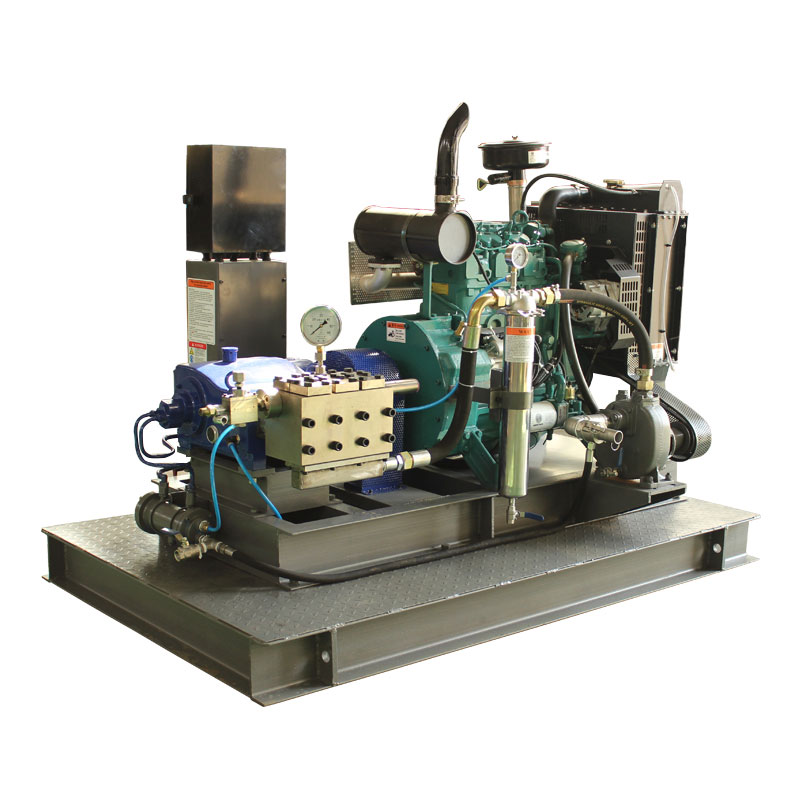
A standard High Pressure Water Pump typically consists of the following components:
- Pump body: The core structure that withstands water pressure and mechanical stress.
- Impeller: Rotates to convert mechanical energy into pressure, a critical factor in pump performance.
- Sealing system: Prevents leakage and ensures safe high-pressure operation.
- Drive system: Powered by electric motor or diesel engine to provide mechanical energy.
- Control system: Intelligent pumps feature pressure and flow monitoring for automated operation.
1.3 How a High Pressure Water Pump Works
The basic principle is to convert mechanical energy into fluid pressure. Water enters the pump through the inlet, gets accelerated by the rotating impeller, and exits at high pressure. Different pump types vary slightly in principle; centrifugal pumps rely on centrifugal force, while piston pumps generate pressure through reciprocating motion.
2. Industrial Applications of High Pressure Water Pump
2.1 Industrial Water Pump vs Standard Pumps
In industrial contexts, High Pressure Water Pump is also called Industrial Water Pump. Compared to standard pumps, it has significant advantages:
- High-pressure tolerance: Suitable for long-term, high-intensity operation.
- High flow: Quickly delivers large volumes of water, meeting production line and cleaning requirements.
- High stability: Made with wear-resistant materials to minimize maintenance frequency and ensure continuous operation.
2.2 Role in Manufacturing and Construction
In manufacturing, High Pressure Water Pump is used for cooling systems, liquid transport, and high-pressure cleaning. It efficiently removes grease, dust, and residues, ensuring smooth production. In construction, it helps with concrete pouring, pipeline cleaning, and equipment maintenance, keeping sites clean and safe.
2.3 High Pressure Cleaning Applications
High Pressure Water Pump is widely used for High Pressure Cleaning purposes:
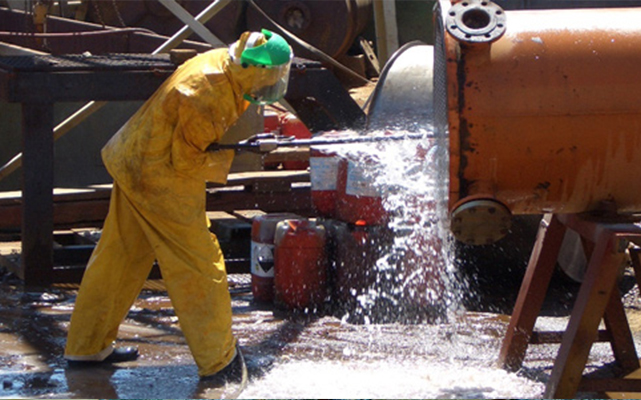
- Industrial equipment cleaning: Removes oil stains and rust from machinery.
- Urban maintenance: Cleans roads, bridges, and surfaces.
- Agriculture: Cleans greenhouses, water tanks, and irrigation equipment.
3. High Pressure Water Pump Installation Guide
3.1 Pre-Installation Checklist
Before installing a High Pressure Water Pump, prepare the following:
- Check the pump and accessories for damage.
- Ensure pump model matches installation location.
- Clean pipelines to avoid debris entering the pump.
- Prepare installation tools such as wrenches, screwdrivers, and sealants.
3.2 Step-by-Step Installation Process
- Fix the pump on a stable surface or support to ensure level and stability.
- Connect inlet and outlet pipes using high-pressure fittings, ensuring proper sealing.
- Install the drive system and align motor or engine with pump shaft.
- Check seals and lubrication to ensure smooth operation.
- Conduct test run, checking for vibration or noise.
3.3 Common Installation Mistakes
- Pump not level, causing instability.
- Debris in inlet pipe affecting flow efficiency.
- Loose connections causing leaks or pressure drops.
- Misaligned drive system accelerating wear.
4. Maintaining Your High Pressure Water Pump
4.1 Importance of Regular Maintenance
Regular maintenance of a High Pressure Water Pump prevents failures, enhances efficiency, and extends lifespan. Maintenance is essential in both industrial and domestic settings.
4.2 Water Pump Maintenance Steps
- Check seals and connections to prevent leaks.
- Lubricate bearings as required to reduce friction and wear.
- Clean impellers to ensure stable flow.
- Monitor pressure and flow to detect anomalies early.
4.3 Common Troubleshooting
- No water output: Check for inlet blockages or power supply issues.
- Low pressure: Inspect worn impellers or leaks and adjust speed or replace parts.
- Unusual noise: Likely caused by bearing damage or imbalance; needs immediate attention.
5. Maximizing Pump Efficiency
5.1 Optimize Operating Parameters
Adjusting pump speed, outlet pressure, and flow ensures efficiency while reducing energy consumption. Proper parameter settings extend lifespan and reduce maintenance.
5.2 Regular Cleaning and Upkeep
Keep pump body, impeller, and pipes clean, prevent debris accumulation, and regularly lubricate and inspect seals to maintain efficiency.
5.3 Reducing Energy Consumption
Choose the right pump model and drive system. Avoid overloading, as it reduces efficiency and accelerates wear. Match pump performance to operational needs.
6. High Pressure Water Pump in High Pressure Cleaning Applications
6.1 Industrial Cleaning
High Pressure Water Pump is widely used in industrial cleaning of machinery, equipment, and pipelines. High-pressure water quickly removes oil, dust, and deposits, reducing labor and improving efficiency:
- Machinery cleaning: Machine surfaces, transmission parts, lubrication systems.
- Production line maintenance: Conveyors and packaging equipment.
- Pipeline cleaning: Interior cleaning of industrial pipelines.
6.2 Urban and Public Facility Cleaning
Used in roads, bridges, tunnels, and walls. High-pressure water cleaning is faster, more cost-effective, and eco-friendly compared to traditional cleaning.
6.3 Agricultural and Environmental Applications
Used for greenhouses, irrigation systems, and farm equipment cleaning. In environmental maintenance, pumps help clean sewer pipes and rivers efficiently, reducing manual risk.
7. Choosing the Right High Pressure Water Pump
7.1 Key Parameters
- Flow Rate: Select based on operational needs.
- Pressure: Higher pressure increases cleaning or transport capacity but may increase wear and energy use.
- Material Durability: Choose materials resistant to corrosion and wear.
- Drive Type: Electric, diesel, or other options depending on environment and convenience.
7.2 Matching Application Scenarios
Industrial lines require large flow and stable pressure; construction or domestic use favors portable, easy-to-operate pumps. Matching pump type to application extends lifespan and efficiency.
7.3 Future-Proof Selection
Consider potential future needs. Pumps with adjustable pressure or modular design reduce replacement costs and adapt to evolving requirements.
8. Tips to Extend High Pressure Water Pump Lifespan
8.1 Proper Operation
Follow correct procedures: ensure the pump is primed, avoid dry running, maintain stable pressure, and prevent sudden load changes.
8.2 Regular Maintenance
Keep pump body, impeller, seals, and pipes clean, lubricate bearings regularly, and replace worn parts promptly.
8.3 Safety and Environmental Protection
Wear protective gear to prevent injuries from high-pressure water. Ensure dry, ventilated environments to avoid electrical hazards.
9. Typical Case Studies
9.1 Factory Equipment Cleaning
A large manufacturing plant using High Pressure Water Pump reduced labor by 30% and achieved better cleaning results compared to traditional spray methods.
9.2 Construction Site Applications
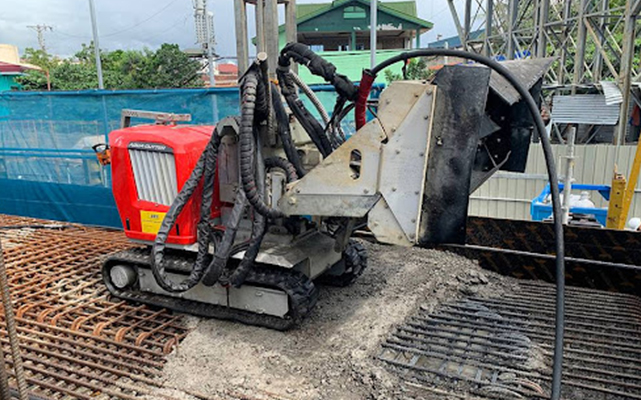
High-pressure pumps efficiently clean concrete splashes, debris, and dust, enhancing construction efficiency. Adjustable pressure and flow enable fine cleaning for different surfaces.
9.3 Agriculture and Environmental Scenarios
Pumps remove water scale and pesticide residues, ensuring clean environments for crops. They also improve efficiency and safety in river cleaning and sewer pipe maintenance.
10. Conclusion and Key Takeaways
10.1 Core Advantages
- High-pressure capability for diverse applications.
- Efficiency and energy savings through proper operation and maintenance.
- Wide-ranging applications in industrial, construction, agricultural, and environmental fields.
- Extended lifespan through correct installation, operation, and upkeep.
10.2 Usage Recommendations
Consider application, flow and pressure requirements, drive type, and material durability. Regular maintenance, proper operation, and safety measures ensure optimal pump performance.
10.3 Future Development
High Pressure Water Pumps are moving towards intelligent control, monitoring, and energy efficiency. Future pumps will optimize operation through data analysis for enhanced performance and reliability.
10.4 SEO Keywords Summary
The main keywords used throughout the article include: High Pressure Water Pump, Industrial Water Pump, Water Pump Maintenance, High Pressure Cleaning, Pump Efficiency Tips, and Pump Installation Guide, supporting SEO optimization and traffic growth.