 English
 Español
 عربى
عربى


Introduction
In industrial applications, high pressure equipment plays a vital role in enabling precision, safety, and efficiency across sectors such as manufacturing, energy, testing, and material processing. These systems are designed to generate and control pressure at levels significantly higher than standard systems, allowing users to perform tasks such as testing components, forming materials, cleaning surfaces, or operating hydraulic tools.
When selecting a pressure system, one of the most important distinctions lies in how pressure is generated and controlled. The three most common configurations are manual, electric, and hydraulic high pressure systems. Each offers distinct characteristics, performance levels, and operational requirements. Understanding these differences helps buyers and engineers make informed decisions when choosing the most suitable type of high pressure equipment for their specific industrial needs.
Understanding High Pressure Equipment
Definition and Role
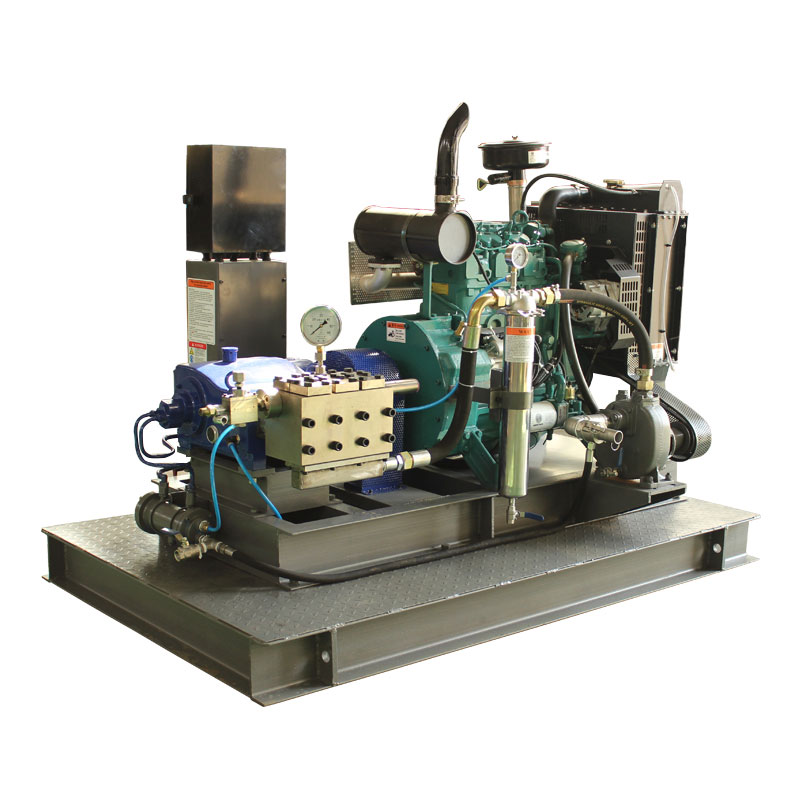
High pressure equipment refers to machinery, tools, and systems designed to generate, contain, and utilize fluids or gases under pressure exceeding standard atmospheric levels. It encompasses a broad range of devices such as high pressure pumps, pressure test benches, hydraulic intensifiers, pressure valves, and high pressure hoses.
The main purpose of high pressure equipment is to safely produce controlled pressure for operations that demand accuracy, durability, and repeatable performance. Depending on design and power source, these systems can be manual, electrically driven, or hydraulically operated.
Core Components
While configurations vary, most high pressure systems include:
- A pressure generation unit (pump or actuator).
- A pressure containment structure (cylinders, lines, or vessels).
- Control and regulation mechanisms (valves, gauges, or digital controllers).
- Safety features, such as relief valves and overpressure protection.
Each of these components must withstand mechanical stress, thermal fluctuation, and potential fluid contamination to ensure reliable, long-term operation.
Manual High Pressure Systems
Operating Principle
Manual high pressure systems rely on mechanical energy generated by human operation. The most common example is a manual high pressure pump, where an operator uses a hand lever or wheel to compress fluid and generate pressure. This system type is often used in applications where compactness, portability, and low operating frequency are prioritized.
Key Characteristics
Manual systems are typically simple in structure, consisting of a pump body, piston, valve assembly, and pressure gauge. Because they do not require electricity or external power, they can be deployed in remote or controlled environments.
Advantages include:
- Low initial investment and minimal maintenance cost.
- Ease of operation with straightforward mechanical control.
- Portability, suitable for field testing or calibration work.
- No dependency on power sources, making them reliable in off-grid conditions.
Limitations:
- Restricted pressure range compared to electric or hydraulic systems.
- Limited flow capacity, resulting in slower operation.
- Operator fatigue during long-duration or high-pressure tasks.
Common Applications
Manual high pressure equipment is commonly used in pressure testing, instrument calibration, laboratory research, and small-scale hydraulic testing. These systems are ideal for precision tasks requiring control at moderate pressure levels, generally below 1000 bar.
Electric High Pressure Systems
Operating Principle
Electric high pressure systems use an electric motor to drive a pump that compresses fluid to the desired pressure level. This design allows for continuous and automated operation, making it suitable for industrial settings that require efficiency and consistency.
The electric high pressure pump is the core component, converting electrical energy into mechanical motion. The system’s control unit manages output flow, pressure stabilization, and operational safety.
Key Characteristics
Electric systems are designed for both reliability and scalability. They can handle higher flow rates and pressures than manual units, often operating within a range of 500 to 4000 bar, depending on configuration.
Advantages include:
- Stable output pressure for continuous industrial use.
- Automated control via programmable interfaces or pressure sensors.
- High efficiency in repetitive or large-scale production processes.
- Reduced labor intensity and consistent performance.
Limitations:
- Requires access to a stable power supply.
- Higher initial cost compared to manual systems.
- Electrical components may need environmental protection in humid or explosive atmospheres.
Common Applications
Electric high pressure equipment is widely used in industrial cleaning systems, component pressure testing, material forming, and production line integration. For example, in manufacturing plants, electric systems ensure uniform pressure during part testing, enhancing reliability and safety across operations.
Hydraulic High Pressure Systems
Operating Principle
Hydraulic high pressure systems use fluid power transmitted through hydraulic circuits to generate and control pressure. A hydraulic pump, driven by an electric motor or engine, forces fluid through a series of valves and actuators to achieve high working pressures.
These systems can produce extremely high output force while maintaining compact mechanical dimensions. The controlled flow of hydraulic oil allows precise adjustment of pressure and motion.
Key Characteristics
Hydraulic systems are known for their high power density, precise pressure regulation, and durability in heavy-duty industrial environments.
Advantages include:
- Capability to handle very high pressures and loads, often exceeding 5000 bar.
- Smooth and consistent pressure control under varying conditions.
- Adaptability for both stationary and mobile industrial machinery.
- Integration flexibility with automation and remote control systems.
Limitations:
- Complex maintenance, as hydraulic systems require regular inspection of seals, hoses, and oil quality.
- Potential for fluid leakage, which demands proper containment and environmental precautions.
- Higher system weight compared to manual or electric setups.
Common Applications
Hydraulic high pressure equipment is prevalent in metal forming, pressing, cutting, injection molding, and heavy-duty testing systems. These systems are particularly valued in manufacturing sectors that demand consistent force and extended operational life.
Comparative Overview
The table below summarizes the primary distinctions between the three systems:
| Feature | Manual High Pressure System | Electric High Pressure System | Hydraulic High Pressure System |
|---|---|---|---|
| Power Source | Human operation | Electric motor | Fluid-driven pump |
| Pressure Range | Low to moderate | Moderate to high | High to ultra-high |
| Flow Capacity | Low | Medium to high | High |
| Operation Mode | Manual control | Automated | Electro-hydraulic |
| Maintenance Demand | Low | Moderate | High |
| Typical Use | Testing, calibration | Production, cleaning | Forming, pressing |
| Mobility | Portable | Semi-portable | Fixed installation |
| Cost Level | Low | Medium | High |
This comparison highlights how each type of high pressure equipment aligns with different operational priorities — from portability and simplicity to automation and performance intensity.
Selection Criteria for Buyers
Choosing the right high pressure equipment depends on technical requirements, working environment, and budget considerations. Buyers should assess the following aspects:
Pressure and Flow Requirements
Determine the maximum required working pressure and the flow rate needed to achieve operational efficiency. Manual systems are appropriate for low-duty tasks, while electric and hydraulic units support larger flow volumes and continuous operation.
Energy Source Availability
Assess whether electrical infrastructure or hydraulic power is accessible. In remote environments or field testing applications, manual pressure systems offer independence from external energy sources.
Operation Frequency and Duration
Frequent and long-duration operations benefit from automated systems to reduce labor intensity and enhance process stability. Electric and hydraulic pressure equipment provide superior performance in this regard.
Safety and Environmental Conditions
Select systems equipped with safety interlocks, relief valves, and reliable sealing technology. For hazardous or moisture-prone environments, equipment with proper protection ratings and corrosion-resistant materials is essential.
Maintenance and Lifecycle Cost
While manual systems are cost-effective initially, hydraulic systems may offer a better lifecycle value when used intensively. Buyers should compare not only purchase cost but also maintenance intervals, spare part availability, and after-sales service.
Performance and Control Considerations
Pressure Accuracy
In processes such as pressure testing and component calibration, consistent and accurate pressure output is crucial. Electric and hydraulic systems typically include closed-loop control mechanisms for maintaining precise setpoints, reducing deviation, and improving repeatability.
System Reliability
High pressure equipment must operate reliably under varying loads and conditions. Hydraulic systems are highly durable but depend on proper fluid management, whereas electric systems rely on motor and controller stability. Manual systems, being mechanically simpler, offer dependable operation in short-duration or controlled tasks.
Automation Integration
Modern industrial buyers often seek compatibility with automation and digital control. Electric and hydraulic systems can integrate with programmable logic controllers (PLC) and remote monitoring systems to enhance productivity and traceability. This integration is less feasible in purely manual configurations.
Industry Applications and Use Cases
Manufacturing and Processing
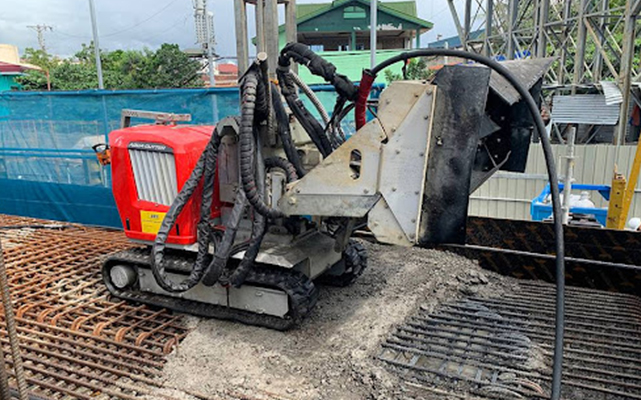
In manufacturing, high pressure equipment ensures precise material forming, bonding, and surface treatment. Hydraulic systems dominate this sector due to their strength and reliability under continuous load conditions.
Testing and Quality Assurance
For pressure vessel testing, pipeline integrity checks, or seal verification, both manual and electric systems are used. Electric systems offer automation benefits, while manual setups are preferred for laboratory-scale validation due to their simplicity.
Maintenance and Cleaning
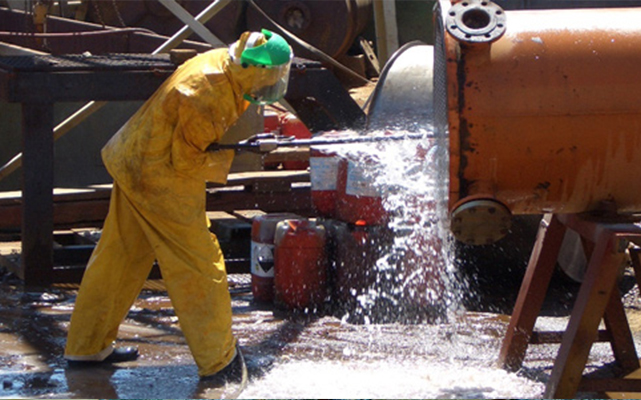
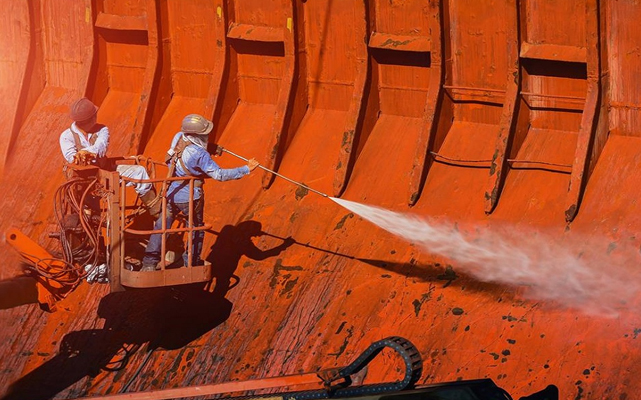
High pressure cleaning systems and industrial pressure pumps rely on electric or hydraulic power to deliver consistent flow at controlled pressure levels. These are widely applied in infrastructure maintenance, equipment servicing, and facility hygiene.
Energy and Research Applications
Hydraulic and electric systems are commonly employed in energy sector testing, component endurance trials, and laboratory simulations that require reproducible pressure cycles. Manual systems support calibration and secondary testing functions.
Trends and Developments in High Pressure Equipment
The evolution of high pressure equipment is driven by industry demands for efficiency, automation, and environmental compliance.
Recent developments include:
- Digital pressure control modules offering real-time monitoring and automatic adjustment.
- Energy-efficient drive systems that reduce power consumption without sacrificing output.
- Improved sealing technologies that minimize leakage and extend maintenance intervals.
- Compact modular designs enabling easier integration into automated production lines.
These advancements enhance not only operational performance but also the overall sustainability of industrial high pressure systems.
Safety and Compliance
Safety is a critical aspect of any pressure-related equipment. Each system type must comply with international standards governing pressure containment, material strength, and operational safety.
Buyers should verify that high pressure equipment includes:
- Overpressure protection mechanisms.
- Certified materials suitable for pressure applications.
- Clearly rated pressure limits.
- Documentation for maintenance and inspection procedures.
Adherence to safety standards ensures both operator protection and regulatory compliance during long-term use.
Conclusion
The choice between manual, electric, and hydraulic high pressure systems ultimately depends on operational scale, performance requirements, and available resources.
- Manual systems offer simplicity, affordability, and portability for smaller-scale or intermittent use.
- Electric systems balance automation, efficiency, and control for consistent industrial operations.
- Hydraulic systems provide the highest force and pressure capacity for demanding, continuous production environments.
For buyers and wholesalers, understanding these distinctions allows for accurate product selection and better alignment with industrial applications. As technology continues to evolve, the integration of intelligent control, energy efficiency, and safety enhancements will further improve the reliability and performance of modern high pressure equipment.