 English
 Español
 عربى
عربى


Introduction
Water jetting equipment has emerged as a revolutionary solution in modern industrial cleaning, cutting, and maintenance operations. Over the past decade, industries worldwide have increasingly adopted high-pressure water technology due to its efficiency, environmental friendliness, and precision. Unlike traditional cleaning methods that rely heavily on chemical detergents or abrasive tools, water jetting systems use the sheer force of pressurized water to remove dirt, coatings, and other residues from surfaces.
Industrial sectors such as petrochemical plants, shipyards, and municipal maintenance agencies have found water jetting equipment invaluable for keeping machinery, pipelines, and infrastructures in optimal condition. The technology has evolved from simple low-pressure setups to highly sophisticated automated systems capable of handling extreme pressures and complex applications.
What is Water Jetting Equipment?
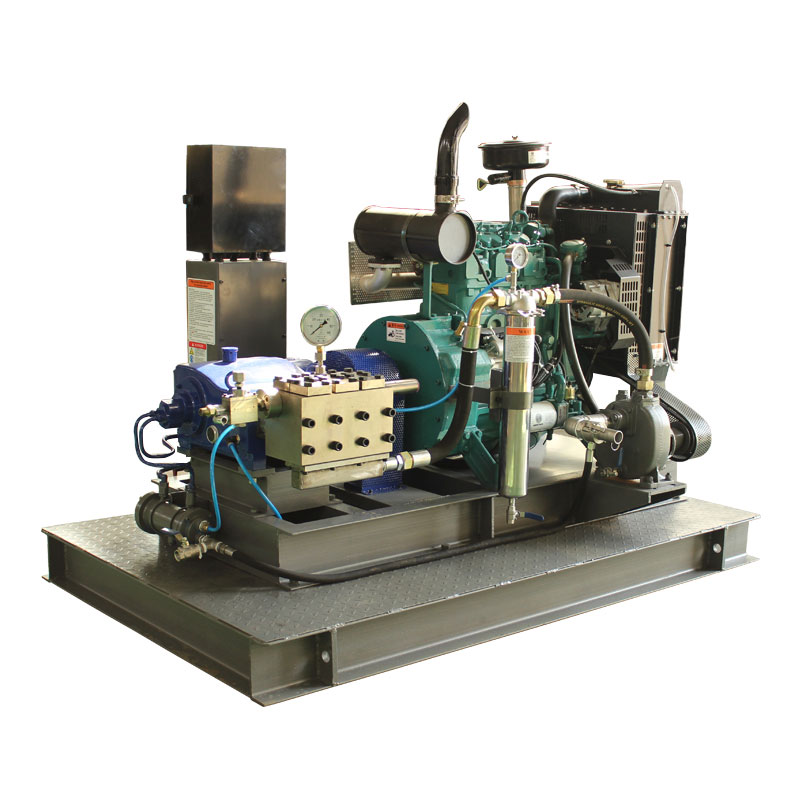
Water jetting equipment refers to a broad range of machinery designed to utilize high-velocity water streams for cleaning, cutting, or surface preparation. At its core, these systems consist of several key components: a high-pressure pump that generates water flow, a network of reinforced hoses or pipes, and specialized nozzles that control the water jet’s shape and intensity. The combination of these components allows the equipment to efficiently remove tough residues, coatings, and debris without the need for harsh chemicals or abrasive materials.
There are several classifications of water jetting equipment based on operating pressure. Low-pressure systems, typically ranging from 500 to 1,500 PSI, are suitable for light cleaning tasks, such as removing surface dirt or cleaning vehicles and equipment in food processing plants. Mid-pressure systems, operating between 1,500 and 3,000 PSI, are commonly used in industrial and municipal applications, including pipeline cleaning and moderate-scale surface preparation. High-pressure systems, exceeding 3,000 PSI, are reserved for heavy-duty cleaning and precise cutting operations, capable of handling industrial-scale challenges that require extreme force and accuracy.
The versatility of water jetting equipment is one of its most significant advantages. Beyond standard cleaning tasks, these systems can be customized with specialized nozzles, pumps, and automation features to address unique operational requirements. This flexibility has led to widespread adoption across multiple sectors, from construction and shipbuilding to petrochemical and food processing industries.
Product Overview Table
| Equipment Type | Pressure Range | Typical Applications | Key Features |
|---|---|---|---|
| Standard Water Jetting Equipment | 500–1500 PSI | Surface cleaning, maintenance | Portable, user-friendly |
| Industrial Water Jetting Equipment | 1500–3000 PSI | Heavy-duty cleaning, pipe maintenance | Durable, high flow rate |
| Automated Water Jetting Systems | 2000–5000 PSI | Industrial cutting, precise cleaning | Programmable, high efficiency |
Applications of Water Jetting Machines
Water jetting machines have become indispensable tools in a wide range of industries due to their efficiency, precision, and eco-friendly operation. Unlike general water jetting equipment, water jetting machines are often designed for specific applications, allowing operators to tackle particular cleaning, cutting, or surface preparation challenges with greater control.
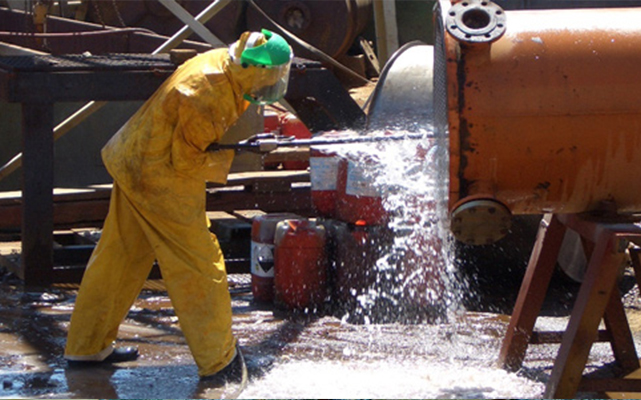
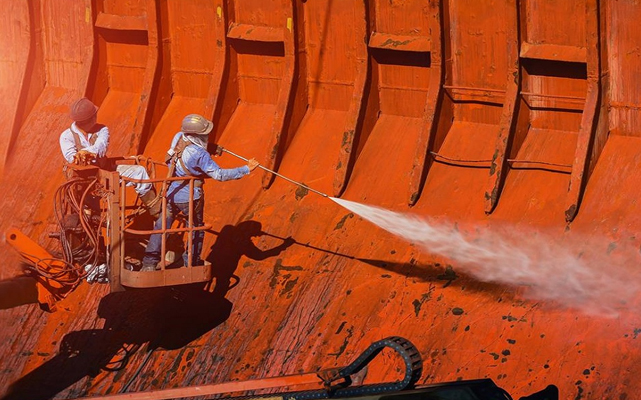
In industrial cleaning, water jetting machines are widely used in petrochemical plants, refineries, and power generation facilities. They can remove grease, scale, rust, and chemical residues from machinery, tanks, and pipelines without causing damage to the underlying materials. The high flow rates and adjustable pressure settings make these machines suitable for both large-scale and detailed cleaning tasks.
In municipal services, water jetting machines are employed to maintain pipelines, sewer systems, and drainage networks. The high-pressure jets efficiently remove blockages, sediments, and mineral build-ups, reducing the risk of costly repairs and ensuring smooth operation of critical infrastructure. Portable water jetting machines, in particular, allow operators to perform on-site maintenance without the need for extensive equipment setup.
In the food and beverage industry, specialized water jetting machines provide hygienic cleaning solutions for production lines, processing equipment, and storage tanks. Their ability to clean thoroughly without chemicals ensures compliance with strict sanitation standards while minimizing downtime.
Applications Table
| Application Area | Equipment Type | Cleaning Speed | Efficiency Gain |
|---|---|---|---|
| Petrochemical | Water Jetting Machine | 100 m²/h | +30% |
| Municipal Sewers | Portable Water Jetting Machine | 200 m/h | +25% |
| Food Processing | Compact Water Jetting Machine | 50 m²/h | +20% |
Advantages of High Pressure Water Jetting Machines
High pressure water jetting machines represent the pinnacle of water jetting technology, providing exceptional force and precision for demanding industrial applications. These machines operate at pressures often exceeding 3,000 PSI, which allows them to tackle tasks that are impossible for standard equipment. Their primary advantage lies in their ability to remove stubborn residues, thick coatings, and even mineral deposits without relying on chemicals or abrasive materials, making them both environmentally friendly and cost-effective.
One of the key benefits of high pressure water jetting machines is precision cutting. Unlike traditional mechanical cutting methods, these machines can cut metals, composites, and ceramics with minimal heat generation, avoiding thermal damage and maintaining material integrity. This makes them highly valuable in industries such as aerospace, automotive, and specialized manufacturing.
Another significant advantage is efficiency and time-saving. High pressure water jets can clean large surfaces quickly while reaching difficult-to-access areas such as pipe interiors or complex machinery geometries. This efficiency reduces downtime, lowers labor costs, and improves overall operational productivity.
Safety and environmental considerations are also critical. These machines often include features such as automatic pressure control, emergency shut-off, and protective shields to prevent accidents. The elimination of harsh chemicals reduces environmental impact and ensures safer working conditions for operators.
Technological Innovations in Water Jetting Equipment
The evolution of water jetting equipment has been driven by continuous technological innovations, enhancing both performance and usability. Modern systems now incorporate smart control systems, allowing operators to precisely adjust pressure, flow rate, and nozzle configuration through digital interfaces. These features enable consistent results, minimize operator error, and optimize resource usage.
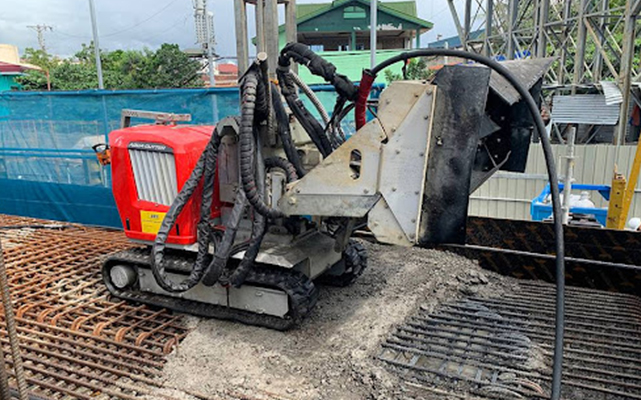
Automation has become a significant trend in the industry. Automated water jetting systems can perform repetitive cleaning or cutting tasks with minimal human intervention. These systems often include programmable routines, robotic arms, and automated nozzle positioning, increasing accuracy and operational efficiency. Automation also enhances safety by reducing the need for direct human exposure to high-pressure jets, which can be hazardous if mishandled.
Materials and design improvements are another key area of innovation. High-strength alloys and composite materials are now used in pumps, hoses, and nozzles, increasing durability and extending service life. Advanced nozzle designs improve water stream focus and penetration, reducing water consumption while maintaining cleaning or cutting effectiveness.
Energy efficiency is another focal point. Modern water jetting pumps incorporate variable speed drives and energy-saving technologies, allowing operations to consume less power without compromising performance. This not only reduces operational costs but also aligns with environmental sustainability goals.
Data monitoring and predictive maintenance are also transforming the field. Sensors embedded in pumps and nozzles collect real-time data on pressure, flow, and temperature, enabling proactive maintenance and reducing unexpected downtime. These innovations ensure that water jetting equipment operates reliably, efficiently, and safely over its lifecycle.
Choosing the Right Water Jetting Equipment
Selecting the right water jetting equipment is critical for maximizing operational efficiency and achieving the desired cleaning or cutting results. Different industries and applications require different specifications, so understanding the key parameters of each system is essential.
Pressure and Flow Rate: One of the primary considerations is the operating pressure and flow rate. Low-pressure systems (500–1,500 PSI) are suitable for light cleaning, whereas high-pressure machines (3,000–7,000 PSI) are necessary for heavy-duty cleaning, industrial cutting, or surface preparation. The flow rate, measured in liters per minute (L/min), determines the volume of water delivered and influences cleaning speed.
Portability vs. Stationary Systems: Portability is important for applications such as municipal pipeline maintenance or remote site cleaning, where operators need to move the machine easily. Stationary or automated systems are ideal for industrial plants or continuous production lines, where high precision and automation improve efficiency.
Nozzle Types and Accessories: The type of nozzle significantly affects the performance of the water jet. Adjustable or specialized nozzles can tailor the water stream for specific surfaces, cleaning angles, or cutting tasks. Accessories like hose reels, safety shields, and pressure regulators enhance functionality and safety.
Cost and Maintenance Considerations: While high-pressure systems may involve higher initial costs, their efficiency, durability, and reduced chemical use can result in lower long-term operational expenses. Additionally, predictive maintenance features and durable components reduce downtime and extend equipment lifespan.
Decision Table Example:
| Parameter | Consideration | Recommendation |
|---|---|---|
| Pressure | Required force for cleaning/cutting | Match PSI to task complexity |
| Flow Rate | Speed and water volume | Higher flow for faster cleaning or cutting |
| Portability | Site mobility | Portable units for on-site maintenance |
| Nozzle Types & Accessories | Precision and versatility | Adjustable or specialized nozzles |
| Cost & Maintenance | Operational budget and downtime | Balance upfront cost with long-term savings |
Market Trends and Future Outlook
The global water jetting equipment market is experiencing steady growth, driven by increasing industrialization, stringent environmental regulations, and the need for efficient, chemical-free cleaning solutions. Across industries such as petrochemical, food processing, municipal maintenance, and construction, the demand for high-pressure water jetting machines and specialized water jetting systems continues to rise.
One notable trend is the shift toward automation and smart technologies. As factories and processing plants embrace Industry 4.0 principles, automated water jetting machines with programmable routines and robotic integration are becoming increasingly popular. These systems not only enhance efficiency but also reduce operational risks by minimizing human exposure to high-pressure water jets.
Another emerging trend is the adoption of eco-friendly cleaning solutions. Water jetting equipment allows industries to reduce chemical usage, minimize wastewater pollution, and lower energy consumption. Governments and regulatory bodies are increasingly favoring solutions that are environmentally sustainable, which positions high-pressure water jetting machines as a preferred choice over traditional chemical-based methods.
In addition, innovations in materials and pump technology are expected to expand the applications of water jetting equipment. The ultra-high-pressure systems are now capable of precise cutting for advanced materials like carbon fiber composites, ceramics, and aerospace-grade metals. This opens opportunities in high-tech manufacturing, aerospace, and advanced automotive industries.
The market is also witnessing regional expansion, with emerging economies investing heavily in infrastructure development and industrial automation. This growth is coupled with increased interest in training programs and service networks, ensuring that operators can effectively utilize water jetting machines for maximum performance and safety.
Looking forward, the water jetting industry is likely to continue its trajectory of innovation and adoption. As equipment becomes more intelligent, efficient, and environmentally friendly, businesses can expect enhanced productivity, lower operational costs, and safer work environments. Companies that invest in high-quality water jetting equipment and high-pressure water jetting machines are poised to gain a competitive advantage in industrial cleaning, maintenance, and precision cutting markets.
Conclusion
Water jetting technology has transformed the way industries approach cleaning, cutting, and maintenance tasks. From the versatile water jetting equipment used across multiple sectors to the specialized water jetting machines for targeted applications, and finally to the cutting-edge high pressure water jetting machines for heavy-duty industrial operations, the evolution of this technology has been remarkable.
The advantages of water jetting systems are clear: precise cleaning and cutting, reduced chemical use, improved efficiency, and enhanced safety for operators. Innovations such as automated controls, smart monitoring systems, and durable material designs further strengthen the value proposition of these machines, making them essential tools in modern industrial environments.