 English
 Español
 عربى
عربى


Choosing the right water blasting machine for your specific application is a critical decision that can significantly impact operational efficiency, safety, and overall cost-effectiveness. Water blasting technology is widely used across industries, including industrial maintenance, marine cleaning, automotive services, and construction. Its ability to remove contaminants, rust, paint, and industrial residues without harsh chemicals makes it an essential tool in modern cleaning and surface preparation. However, with the variety of machines available, selecting the most appropriate unit requires careful consideration of multiple factors.
Understanding Water Blasting Machines
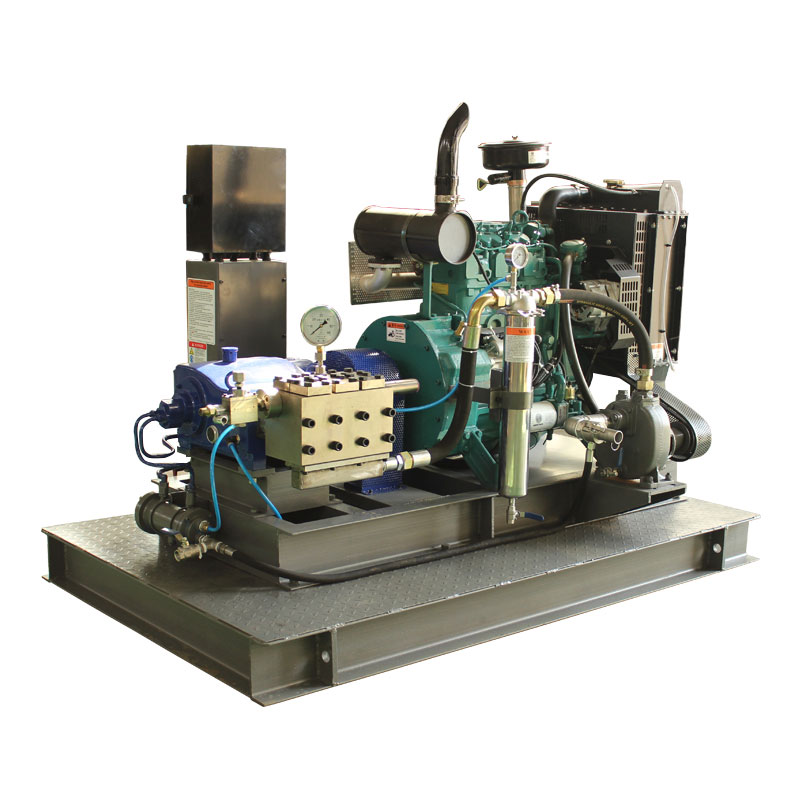
A water blasting machine is a high-pressure cleaning system that uses a concentrated stream of water to remove dirt, rust, scale, paint, and other contaminants from surfaces. Unlike conventional cleaning methods, water blasting machines offer environmentally friendly and chemical-free cleaning while maintaining high efficiency. These machines range from portable units suitable for small-scale applications to industrial-grade systems designed for continuous operation in demanding environments.
Key Components of a Water Blasting Machine
Understanding the main components of a water blasting machine is essential for evaluating its suitability:
- High-pressure pump: Generates the necessary pressure for effective cleaning. Pumps vary in capacity and pressure ratings depending on the application.
- Hoses and nozzles: Direct the water stream with precision. Nozzle design influences the intensity, shape, and coverage of the spray.
- Control system: Allows operators to adjust pressure, flow, and operational modes for different surfaces and cleaning requirements.
- Water filtration system: Ensures that particles do not damage the pump or interfere with cleaning performance.
Each of these components plays a vital role in achieving consistent and efficient cleaning. Buyers should evaluate the quality and specifications of these components when selecting a water blasting machine.
Determining the Right Machine Type
Water blasting machines can be categorized based on pressure levels, mobility, and operational design. Selecting the correct type depends on the intended application.
Pressure-Based Classification
Water blasting machines are commonly classified by their pressure output:
- Low-pressure machines (up to 1,000 bar): Suitable for general cleaning, light paint removal, and surface preparation. These machines are ideal for maintenance and janitorial applications.
- Medium-pressure machines (1,000–2,500 bar): Effective for tougher cleaning tasks, including rust removal, heavy-duty degreasing, and industrial surface preparation.
- Ultra-high-pressure machines (above 2,500 bar): Designed for highly specialized applications, such as cutting, industrial scale removal, and precision cleaning in sensitive environments.
Table 1: Pressure Classification vs. Typical Applications
| Pressure Level | Typical Applications |
|---|---|
| Low (≤1,000 bar) | General cleaning, light paint removal, maintenance |
| Medium (1,000–2,500 bar) | Rust removal, heavy-duty degreasing, industrial cleaning |
| Ultra-high (>2,500 bar) | Surface preparation, cutting, precision cleaning |
Mobility and Operational Design
Water blasting machines may also differ in terms of portability and operational setup:
- Portable units: Compact and mobile, these machines are ideal for on-site cleaning and tasks that require frequent relocation. They are commonly used by maintenance crews, contractors, and smaller industrial operations.
- Stationary units: Larger systems designed for continuous industrial use. They are often installed in fixed locations, such as production facilities, shipyards, or large construction sites.
- Trailer-mounted or skid-mounted systems: Offer a combination of high capacity and mobility. These units are suitable for applications that require both high pressure and transportability across multiple sites.
Choosing the correct mobility option ensures operational flexibility and reduces downtime during cleaning operations.
Evaluating Performance Parameters
Several key performance parameters determine how well a water blasting machine will perform in specific applications. Buyers should carefully evaluate these factors to match the machine to operational needs.
Flow Rate and Pressure
The combination of flow rate and pressure directly affects cleaning efficiency. Flow rate determines the volume of water delivered per unit time, while pressure dictates the intensity of the water jet. Selecting the appropriate balance ensures effective cleaning without damaging surfaces. For example, high-pressure, low-flow machines are ideal for precision tasks, while moderate-pressure, high-flow units are suitable for general cleaning over large areas.
Pump Quality and Reliability
The high-pressure pump is the heart of any water blasting machine. Pumps made from durable materials with high resistance to wear and corrosion enhance reliability and reduce maintenance costs. Buyers should assess the pump’s lifespan, maintenance requirements, and availability of replacement parts before purchase.
Nozzle Selection
Nozzles control the direction, shape, and velocity of the water jet. Different nozzle types, such as fan, pencil, or rotary, allow users to tailor cleaning patterns for specific tasks. Selecting the correct nozzle can optimize efficiency, reduce water consumption, and prevent surface damage.
Control Systems and Automation
Modern water blasting machines often feature digital control systems that allow operators to adjust parameters such as pressure, flow rate, and operational mode. Advanced systems may include programmable cleaning cycles, remote monitoring, and automated safety shutoffs. These features enhance precision, consistency, and operator safety.
Application Considerations
Selecting a water blasting machine also depends on the type of surfaces, contaminants, and industry requirements.
Surface Type
- Metal surfaces: Require machines capable of removing rust, scale, and paint without causing surface damage. Medium to ultra-high pressure units are generally recommended.
- Concrete and masonry: Typically require high-volume water at moderate pressure for effective removal of dirt, debris, and coatings.
- Delicate surfaces: Such as glass or composites, require controlled pressure to prevent damage. Low-pressure units with precise nozzle control are ideal.
Contaminant Type
Different contaminants require different water blasting approaches:
- Rust and scale: Often need medium to high-pressure machines with rotary or pencil nozzles for effective removal.
- Paint and coatings: Require higher pressures with fan or specialized stripping nozzles.
- Grease and oil residues: Can be removed using high-flow, moderate-pressure systems to ensure thorough cleaning without surface damage.
Industry-Specific Needs
Water blasting machines are used across diverse industries, each with unique requirements:
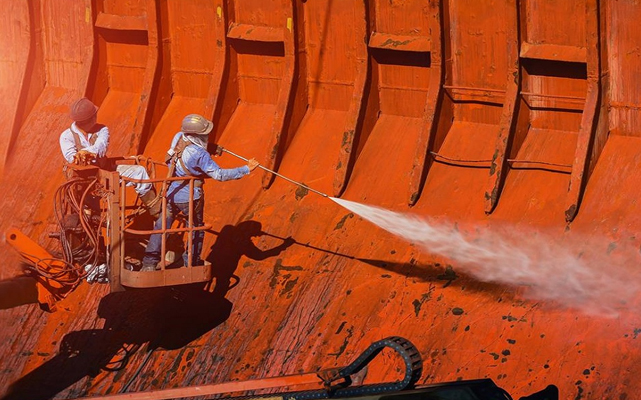
- Marine industry: Machines must handle saltwater exposure, hull cleaning, and anti-fouling coatings. Corrosion-resistant materials and mobility are crucial.
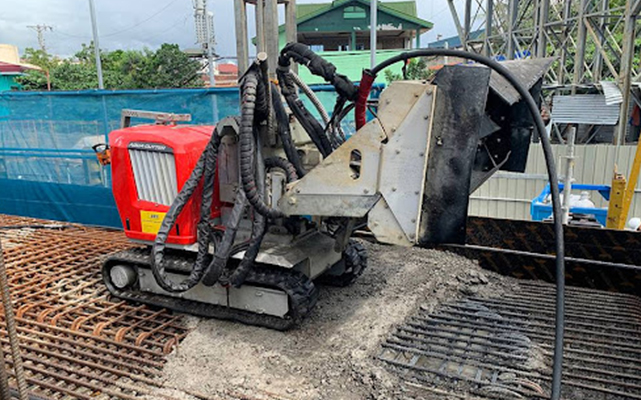
- Construction and civil engineering: Machines are often used for concrete surface preparation, debris removal, and equipment cleaning. High-flow and moderate-pressure units are common.
- Automotive and manufacturing: Precision cleaning of components, mold removal, and maintenance of machinery often require medium to ultra-high-pressure machines.
Safety and Regulatory Compliance
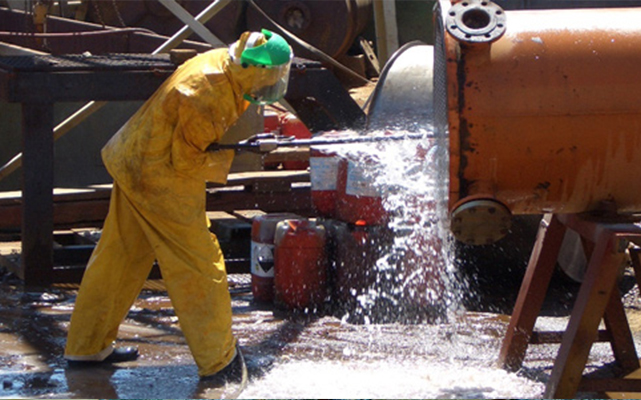
Operator safety and regulatory compliance are critical considerations. Water blasting machines operate at high pressures, and improper use can cause serious injuries. Key safety measures include:
- Using appropriate personal protective equipment (PPE), such as gloves, face shields, and waterproof clothing.
- Ensuring proper training for operators on safe handling and emergency procedures.
- Implementing safety features like automatic shutoffs, pressure relief valves, and secure hose connections.
- Regular inspection and maintenance of equipment to prevent leaks, wear, or component failure.
Compliance with industry regulations, environmental guidelines, and workplace safety standards ensures both legal adherence and protection of personnel.
Maintenance and Operational Efficiency
Proper maintenance extends the life of a water blasting machine and reduces operational costs. Key practices include:
- Regular inspection of pumps, hoses, and nozzles for wear and tear.
- Cleaning and replacing filters to prevent debris from damaging the pump or nozzle.
- Monitoring water quality and hardness to reduce scaling and corrosion.
- Keeping digital control systems updated and calibrating pressure sensors regularly.
Operational efficiency can also be improved by matching machine specifications to specific applications, minimizing water consumption, and using appropriate nozzles for each cleaning task.
Buying Considerations
When purchasing a water blasting machine, buyers should consider multiple factors:
- Application requirements: Pressure, flow rate, surface type, and contaminant type.
- Machine type: Portable, stationary, or trailer-mounted units.
- Durability: Materials, pump quality, corrosion resistance, and expected lifespan.
- Ease of use: Control systems, operator training, and maintenance requirements.
- Cost-effectiveness: Balance between purchase price, operational costs, and longevity.
- After-sales support: Availability of spare parts, technical support, and warranty coverage.
Table 2: Key Buying Factors for Water Blasting Machines
| Factor | Considerations |
|---|---|
| Application | Surface type, contaminant, industry-specific requirements |
| Machine type | Portability, installation space, mobility requirements |
| Durability | Material quality, pump reliability, corrosion resistance |
| Ease of use | Controls, automation, operator training |
| Cost-effectiveness | Purchase price, maintenance costs, long-term reliability |
| After-sales support | Spare parts availability, technical service, warranty coverage |
Conclusion
Selecting the right water blasting machine requires a thorough understanding of machine types, performance parameters, operational requirements, and safety considerations. By evaluating pressure, flow rate, pump quality, nozzle design, and control systems, buyers can ensure that their investment meets operational needs efficiently and safely. Understanding surface types, contaminant challenges, and industry-specific requirements further refines the selection process.
A properly chosen water blasting machine not only enhances cleaning performance but also improves operational efficiency, safety, and cost-effectiveness. Whether used in industrial maintenance, marine operations, automotive services, or construction, investing time in proper selection ensures long-term reliability and optimal results.