 English
 Español
 عربى
عربى


Introduction
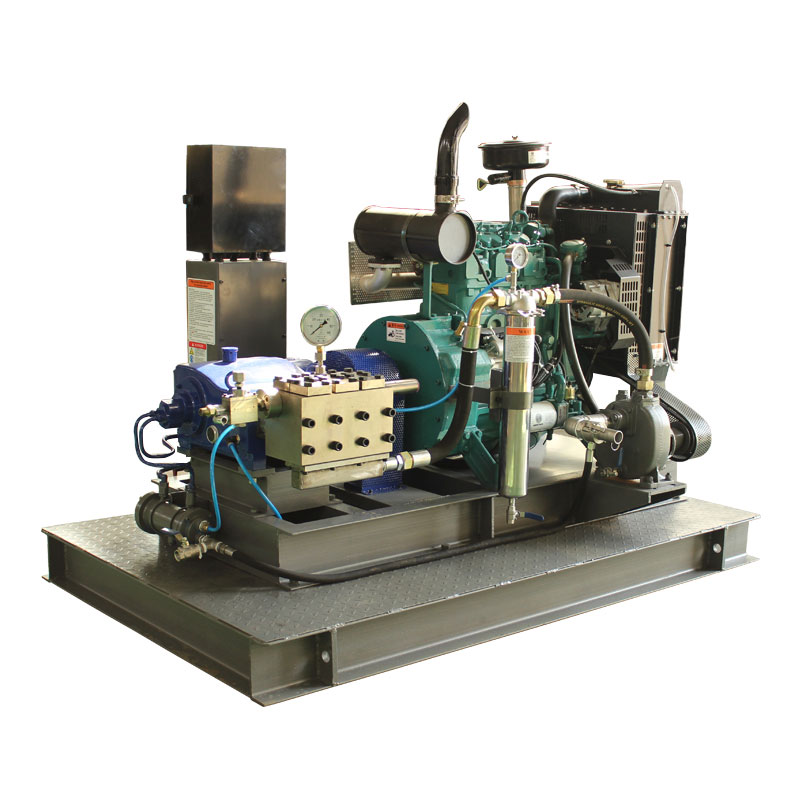
In modern industrial maintenance and cleaning systems, the triplex plunger pump plays a critical role in delivering high-pressure water and cleaning solutions for a wide range of applications. Known for its ability to generate consistent and reliable pressure, the triplex plunger pump is widely used in industrial cleaning, surface preparation, and descaling operations. Its three-piston design ensures stable flow output, reduced pulsation, and improved durability compared to single- or duplex-type pumps.
Cleaning and descaling operations are vital in maintaining the performance and safety of equipment such as heat exchangers, pipelines, reactors, tanks, and boilers. These processes often require the removal of hard deposits, rust, and scale that accumulate over time. The triplex plunger pump offers the pressure, precision, and control needed to perform such demanding tasks efficiently.
Understanding the Triplex Plunger Pump
The triplex plunger pump is a positive displacement pump consisting of three plungers that operate in sequence. Each plunger reciprocates within a cylinder, drawing fluid in through a suction valve and forcing it out through a discharge valve. The three-plunger configuration ensures that as one plunger is in suction mode, the other two are in discharge mode, resulting in a nearly continuous flow with minimal pressure fluctuation.
Unlike centrifugal pumps, which rely on high rotational speeds to generate pressure, the triplex plunger pump achieves high pressure through mechanical displacement. This feature makes it ideal for high-pressure cleaning, hydro jetting, and descaling operations, where precise pressure control and consistency are crucial.
Core Components
The main components of a typical triplex plunger pump include:
- Power End: Comprising the crankshaft, connecting rods, and bearings that convert rotary motion into linear reciprocation.
- Fluid End: Includes the plungers, suction and discharge valves, valve seats, and packing seals that contain the high-pressure fluid.
- Drive Mechanism: Connects the motor or engine to the crankshaft, transmitting power efficiently.
- Lubrication and Cooling Systems: Ensure smooth mechanical operation and extend component life.
These components work in harmony to create a robust system capable of handling a wide range of cleaning pressures, typically from 100 bar up to over 1,500 bar, depending on the application.
Key Features That Support Cleaning and Descaling
The design and operational characteristics of the triplex plunger pump make it particularly well-suited for cleaning and descaling operations. Several features contribute to its performance advantages:
1. High Pressure Output
Triplex plunger pumps are capable of generating extremely high pressures without relying on excessive rotational speed. This capability allows for the removal of hard scale, rust, and mineral deposits from metal surfaces or industrial equipment without the need for chemical cleaning agents.
2. Consistent Flow and Pressure Stability
The three-plunger arrangement provides a smooth and steady discharge flow, minimizing pulsation that can cause uneven cleaning or damage to surfaces. This feature is especially important in high-pressure water blasting and hydro jet cleaning applications, where stable water flow improves efficiency.
3. Material Durability
The materials used in the construction of the pump—such as hardened stainless steel plungers, corrosion-resistant valve seats, and reinforced seals—allow the system to handle aggressive cleaning agents, hot water, and abrasive particles. This durability ensures long-term performance under harsh conditions.
4. Efficient Energy Use
Because of its positive displacement design, the triplex plunger pump maintains consistent efficiency across various pressures and flow rates. This makes it more energy-efficient than centrifugal pumps when operating under constant pressure requirements.
5. Maintenance Accessibility
The modular design of modern triplex plunger pumps simplifies maintenance. Components such as valve assemblies and seals are easy to access, reducing downtime during cleaning or replacement.
Applications in Cleaning and Descaling Operations
The versatility of the triplex plunger pump allows it to be used in a variety of industrial cleaning and descaling processes. These include high-pressure water jetting, surface preparation, and internal pipe cleaning. Below are some of the most common applications:
1. Heat Exchanger and Condenser Tube Cleaning
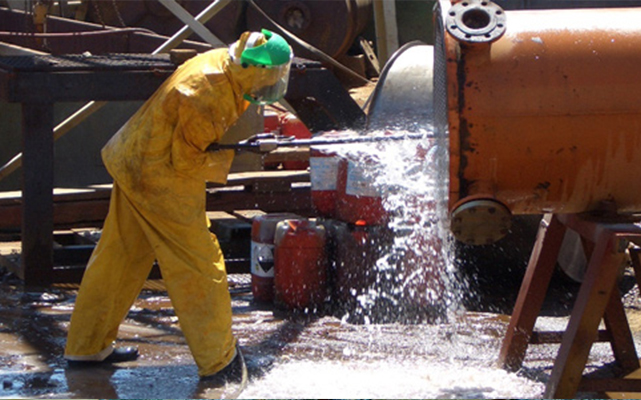
Heat exchangers and condensers accumulate scale and debris that reduce heat transfer efficiency. A triplex plunger pump provides the pressure required to deliver a focused water jet capable of breaking and flushing out hard scale deposits inside the tubes. The consistent flow ensures thorough cleaning without damaging the metal surfaces.
2. Boiler and Pressure Vessel Descaling
Boilers often suffer from scale buildup due to mineral-rich feedwater. This buildup can reduce heat transfer and increase energy consumption. High-pressure cleaning using a triplex plunger pump removes the scale mechanically, restoring system efficiency and preventing overheating.
3. Tank and Reactor Cleaning
In industries such as petrochemicals, food processing, and pharmaceuticals, tanks and reactors need regular cleaning to remove residues and contaminants. Triplex plunger pumps power automated rotary cleaning heads that deliver high-pressure jets for effective internal cleaning without manual entry.
4. Pipe and Sewer Line Cleaning
Clogged or fouled pipelines can disrupt operations and pose safety hazards. Using a triplex plunger pump, operators can perform internal cleaning through jetting nozzles that move along the pipe, cutting through grease, sludge, and scale.
5. Surface Preparation and Paint Removal
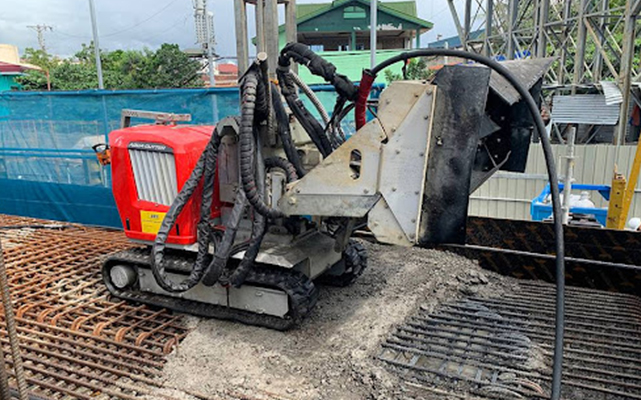
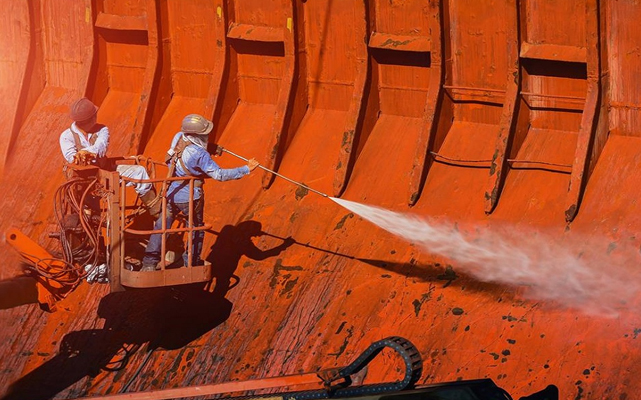
In preparation for coating or inspection, metal and concrete surfaces must be free of old paint, rust, and contaminants. Triplex plunger pumps are widely used for hydro blasting, providing high-impact water jets that strip surfaces efficiently without abrasive media.
Advantages of Using Triplex Plunger Pumps in Cleaning Systems
The success of triplex plunger pumps in industrial cleaning is driven by several operational advantages that improve both performance and reliability:
| Advantage | Description |
|---|---|
| High Pressure Capability | Enables mechanical removal of tough deposits without chemicals. |
| Precision Control | Adjustable flow and pressure to match the cleaning requirement. |
| Durable Components | Handles abrasive and corrosive fluids effectively. |
| Low Pulsation | Ensures uniform cleaning results and equipment protection. |
| Energy Efficiency | Maintains high efficiency even under fluctuating load conditions. |
| Compact Design | Allows integration into mobile or stationary cleaning systems. |
| Ease of Maintenance | Simplified design for quick servicing and part replacement. |
These advantages make the triplex plunger pump a core component in industrial water jet cleaning, hydro demolition, and pipeline descaling systems across industries such as power generation, petrochemical processing, and manufacturing.
Factors to Consider When Selecting a Triplex Plunger Pump
Selecting the right triplex plunger pump for cleaning and descaling operations involves evaluating several factors to ensure compatibility with the intended use:
1. Pressure and Flow Requirements
Each cleaning task requires a specific pressure and flow rate. For instance, light-duty cleaning may require 100–200 bar, while descaling or hydro blasting may exceed 1,000 bar. It is essential to choose a pump rated for the required operating conditions.
2. Type of Fluid
While most cleaning applications use water, some processes involve chemical solutions or abrasive slurries. The material of the fluid end should be selected based on the fluid’s corrosiveness and temperature.
3. Duty Cycle and Frequency
Continuous or intermittent operation affects the pump’s lifespan and maintenance schedule. Pumps used in continuous-duty environments must be designed for heavy loads and proper cooling.
4. Maintenance Accessibility
Easy maintenance reduces downtime and overall operational costs. Pumps with replaceable valve assemblies and accessible seals offer significant convenience.
5. Drive and Mounting Options
Triplex plunger pumps can be driven by electric motors, diesel engines, or hydraulic systems, depending on the application. Mounting design should fit the installation environment—whether stationary or mobile.
6. Safety and Control Systems
Integrating pressure relief valves, pulsation dampeners, and flow regulators helps ensure safe and stable operation under varying conditions.
Maintenance Practices for Long-Term Performance
Proper maintenance is critical to achieving reliable operation and minimizing downtime. A triplex plunger pump is a precision device that benefits greatly from regular inspection and preventive maintenance. The following practices are recommended:
- Regular Lubrication: Ensure that the crankcase is filled with clean, appropriate-grade oil to reduce wear and friction.
- Seal and Packing Inspection: Worn seals can lead to leakage and pressure loss. Replace seals at recommended intervals.
- Valve Cleaning: Periodically inspect and clean the suction and discharge valves to prevent clogging.
- Alignment Check: Misalignment between the drive motor and pump shaft can cause vibration and premature bearing wear.
- Monitoring Pressure and Flow: Consistent monitoring helps identify performance drops early.
- Cooling System Maintenance: For pumps with cooling jackets or systems, ensure that heat removal is efficient to prevent overheating.
Following these practices ensures that the triplex plunger pump maintains its designed efficiency and pressure capacity over extended operation cycles.
Common Challenges and Troubleshooting
Although highly reliable, triplex plunger pumps may occasionally face operational issues. Understanding common problems allows for quicker diagnosis and correction:
- Loss of Pressure: Often due to worn valves, damaged seals, or air in the suction line.
- Leakage: Can result from degraded packing or improper installation.
- Vibration or Noise: May indicate misalignment, bearing wear, or cavitation.
- Irregular Flow: Caused by valve obstruction or pulsation dampener malfunction.
Routine inspection and proper setup can prevent most of these issues, ensuring uninterrupted operation in cleaning and descaling tasks.
Environmental and Operational Benefits
Using a triplex plunger pump for cleaning and descaling also offers environmental and operational advantages. Because the pump relies on high-pressure water rather than harsh chemicals, it minimizes environmental impact and improves workplace safety. The precise control of flow and pressure allows for efficient cleaning using less water and energy compared to traditional methods.
Furthermore, high-pressure cleaning systems reduce the need for manual scraping or abrasive blasting, leading to lower labor costs and minimal equipment damage. These benefits make the triplex plunger pump a sustainable solution for modern industrial cleaning.
Future Trends in Cleaning and Descaling Technology
Advancements in material science, control systems, and automation are shaping the next generation of triplex plunger pumps. Future models are expected to incorporate smart monitoring systems that track performance parameters such as pressure, temperature, and vibration in real time. These data-driven insights enable predictive maintenance and enhance operational reliability.
Additionally, developments in seal and coating technology are improving corrosion resistance, further extending the lifespan of pumps used in aggressive environments. The integration of variable speed drives (VSDs) also allows for more precise control of flow and pressure, increasing energy efficiency.
Conclusion
The triplex plunger pump is a cornerstone technology in modern cleaning and descaling operations, offering the power, precision, and durability required for demanding industrial tasks. Its ability to generate consistent high pressure, maintain stable flow, and operate efficiently across various environments makes it indispensable for applications such as heat exchanger cleaning, boiler descaling, tank washing, and pipe jetting.
By selecting the appropriate model, maintaining proper operation, and implementing preventive maintenance practices, industries can achieve reliable cleaning performance, reduce downtime, and extend equipment service life. The continuing evolution of triplex plunger pump design promises even greater efficiency, safety, and sustainability in the years ahead—making it a vital component for the future of industrial maintenance and cleaning technology.