 English
 Español
 عربى
عربى


Introduction
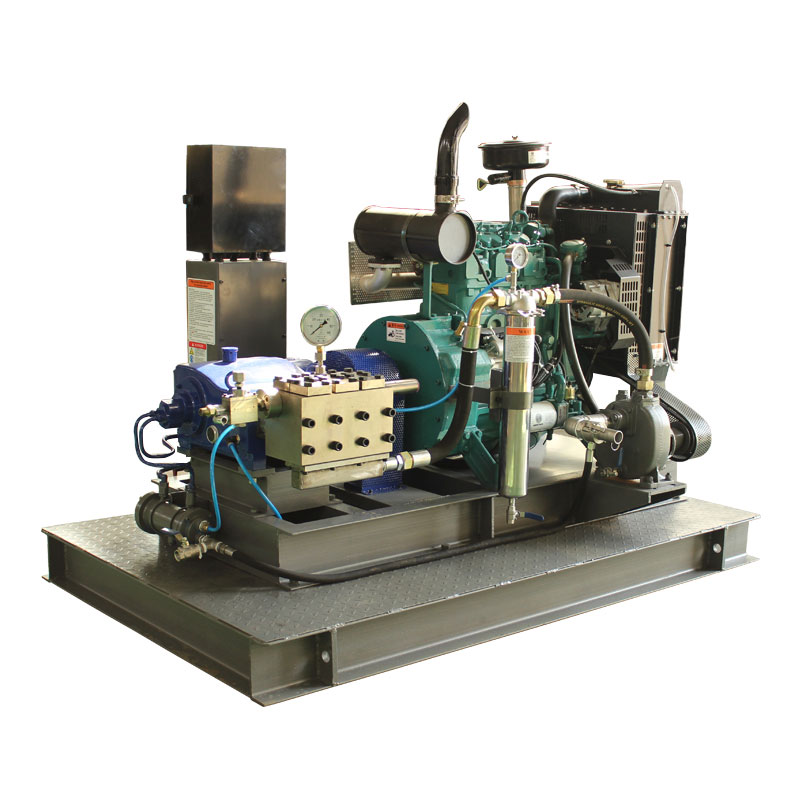
The quintuplex plunger pump is a high-performance industrial pump widely used in applications such as high-pressure cleaning, water blasting, chemical injection, and other demanding fluid transfer operations. While its multi-plunger design provides smooth flow and high-pressure capabilities, managing noise and vibration is a critical aspect of ensuring operational efficiency and longevity. Noise reduction and vibration control are not merely comfort features; they significantly affect maintenance requirements, pump reliability, and the overall safety of industrial operations.
Understanding Noise and Vibration in Quintuplex Plunger Pumps
Sources of Noise
In quintuplex plunger pumps, noise primarily originates from mechanical movements and fluid dynamics within the pump. As each plunger reciprocates, it generates pressure pulsations, mechanical impacts, and turbulence. The multi-plunger arrangement helps reduce pressure fluctuations compared to triplex or duplex pumps, but the larger number of moving parts can introduce additional mechanical noise if not properly controlled. Common sources include:
- Plunger-cylinder interactions: Metal-to-metal contact, imperfect alignment, or worn surfaces can amplify noise.
- Valve operations: Inlet and discharge valves opening and closing at high frequency generate distinct acoustic signals.
- Frame and structural vibrations: High-pressure fluid movement induces vibrations throughout the pump housing.
Sources of Vibration
Vibration in a quintuplex plunger pump stems from both internal and external factors. Internally, asymmetrical plunger forces, uneven wear, or misaligned crankshafts can create oscillations. Externally, mounting conditions and pipeline connections influence how vibrations propagate into the surrounding system. Excessive vibration can cause:
- Premature wear on bearings and seals
- Fatigue in pump components and piping
- Increased operational noise
Understanding these sources is the first step toward effective noise reduction and vibration control strategies.
Design Features for Noise Reduction
Multi-Plunger Design Benefits
The quintuplex plunger pump inherently reduces pressure pulsations due to its five-plunger configuration. Unlike triplex pumps, where flow pulsations are more pronounced, the quintuplex design allows overlapping plunger strokes, producing a more continuous flow. This smooth operation naturally lowers both noise and vibration levels.
Acoustic Insulation
Modern quintuplex plunger pumps may incorporate acoustic insulation materials within the pump housing or around the frame. These materials absorb high-frequency noise generated by valve operations and plunger impacts. Common strategies include:
- Rubber or polymer damping pads on mounting surfaces
- Sound-dampening enclosures surrounding the pump
- Isolation of the crankcase from external supports
By absorbing vibrations and reducing transmitted sound, these features improve operator comfort and compliance with industrial noise regulations.
Valve and Plunger Optimization
The valve design in quintuplex plunger pumps significantly influences noise generation. Features that reduce noise include:
- Soft or precision-engineered valve seats to minimize impact noise
- Optimized valve springs to control opening and closing speed
- Hardened plunger surfaces that ensure smooth movement within the cylinder
These enhancements reduce high-frequency sounds and help maintain consistent pump performance over long operating cycles.
Techniques for Vibration Control
Crankshaft and Plunger Alignment
Proper alignment of the crankshaft and plungers is critical for minimizing vibration. Misalignment can result in uneven forces that generate lateral and axial vibrations. Quintuplex plunger pumps are designed with precise tolerances and adjustable components to ensure:
- Uniform stroke lengths across all plungers
- Balanced mechanical loads on the crankshaft and bearings
- Smooth rotational movement that minimizes oscillations
Vibration Damping Mounts
Industrial quintuplex plunger pumps are often equipped with vibration damping mounts, isolating the pump from its foundation. These mounts are typically made from resilient polymers or composites, which absorb kinetic energy generated by plunger motion and valve actuation. Benefits include:
- Reduced structural transmission of vibrations
- Longer component lifespan due to lower fatigue stress
- Improved safety and operator comfort in surrounding areas
Hydraulic Dampening
Some quintuplex plunger pumps integrate hydraulic dampening systems to control vibration. This method involves directing a portion of the fluid flow through chambers or accumulators that absorb pressure surges. The advantages include:
- Smoother pressure output
- Reduced mechanical stress on the plunger-cylinder interface
- Lower noise levels due to decreased pressure pulsation
Impact on Industrial Applications
High-Pressure Cleaning and Water Blasting
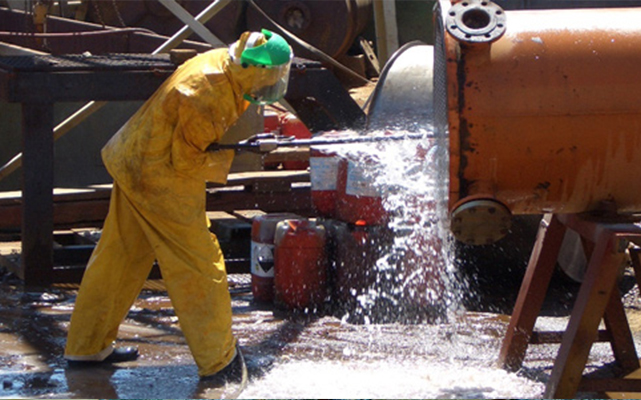
In high-pressure cleaning or water blasting operations, controlling noise and vibration is essential. Excessive vibration can compromise the precision of the cleaning process, while high noise levels may require additional protective measures for operators. A quintuplex plunger pump with effective noise and vibration control ensures:
- Consistent water flow for effective cleaning
- Longer equipment life under continuous operation
- Compliance with workplace safety and environmental standards
Chemical Injection Systems
For chemical injection, precise flow rates are critical. Vibration can lead to flow inconsistencies, causing uneven chemical distribution. Noise reduction and vibration control in quintuplex plunger pumps maintain stable operation, ensuring accurate dosing and minimizing potential damage to sensitive system components.
Oilfield and Mining Operations
In oilfield and mining applications, quintuplex plunger pumps operate under extreme pressures and harsh environmental conditions. Vibration control reduces wear on critical components, while noise reduction protects operators and reduces overall environmental impact. Durability, reliability, and operational safety are directly linked to these design features.
Maintenance and Operational Considerations
Routine Inspections
Maintaining noise and vibration control features requires regular inspections of the pump components. Key points include:
- Checking plunger alignment and crankshaft condition
- Inspecting valves and seats for wear or damage
- Monitoring mounting mounts for degradation
- Verifying hydraulic dampening systems are functioning properly
Lubrication and Component Care
Proper lubrication minimizes metal-to-metal contact, reducing both noise and vibration. Regular maintenance of bearings, seals, and guide surfaces ensures smooth operation and prevents premature wear.
Monitoring and Diagnostics
Modern industrial buyers often implement vibration sensors and noise monitoring systems to detect potential issues before they become critical. By analyzing vibration frequency and amplitude, maintenance teams can:
- Predict component fatigue or misalignment
- Adjust operating parameters to minimize stress
- Ensure continuous compliance with industrial standards
Comparative Table of Noise and Vibration Control Features
| Feature | Function | Benefit |
|---|---|---|
| Multi-plunger configuration | Overlapping plunger strokes | Reduces pressure pulsations and noise |
| Acoustic insulation | Absorbs high-frequency sounds | Improves operator comfort |
| Precision valve design | Smooth opening/closing | Minimizes impact noise |
| Crankshaft/plunger alignment | Balanced mechanical forces | Reduces vibration and wear |
| Vibration damping mounts | Isolates pump from foundation | Protects structure and components |
| Hydraulic dampening | Absorbs pressure surges | Smooths flow and reduces mechanical stress |
Conclusion
Noise reduction and vibration control in quintuplex plunger pumps are critical for both operational efficiency and longevity. Through design innovations such as multi-plunger configurations, acoustic insulation, precision valves, and damping systems, these pumps deliver high-pressure performance with minimized mechanical stress. For buyers and industrial operators, understanding these features ensures better decision-making when selecting a pump for applications such as water blasting, chemical injection, and oilfield operations.
By prioritizing noise and vibration management, quintuplex plunger pumps not only protect sensitive equipment and infrastructure but also enhance safety and productivity in demanding industrial environments.