 English
 Español
 عربى
عربى


Introduction
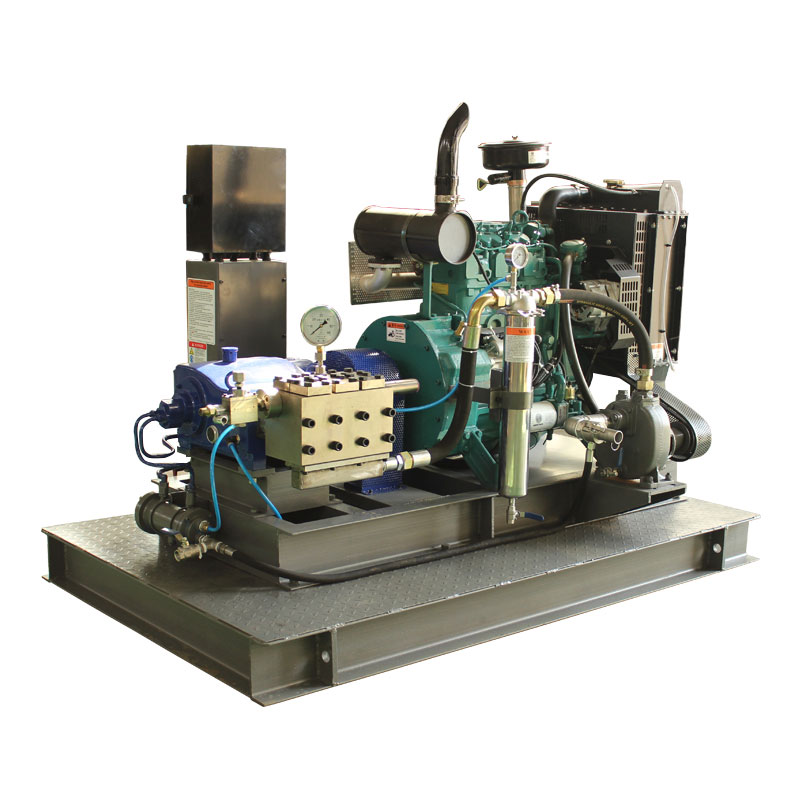
The quintuplex piston pump is a sophisticated piece of industrial equipment designed for high-pressure applications across various industries. Its performance, efficiency, and longevity are heavily dependent on proper maintenance routines. For buyers and industrial users, understanding essential maintenance functions is critical to ensure the pump operates at its optimal level.
Understanding the quintuplex piston pump
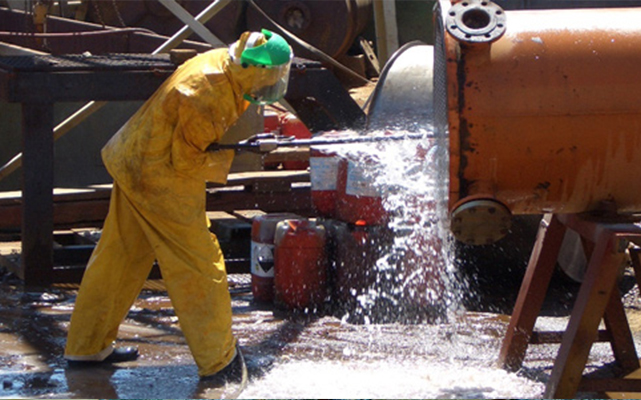
A quintuplex piston pump is characterized by its five-piston configuration, which allows for higher flow rates and smoother operation compared to triplex or duplex pumps. The pump’s design supports continuous high-pressure operation, making it suitable for demanding industrial tasks such as water blasting, chemical injection, and high-pressure cleaning.
Key features include:
- Five pistons for enhanced flow and stability
- High-pressure capabilities for industrial operations
- Precision-engineered components for durability
- Compatibility with various fluids, including water and chemical solutions
The pump’s operational efficiency depends not only on its design but also on consistent and thorough maintenance practices. Neglecting maintenance can result in reduced efficiency, component wear, and costly downtime.
Routine Inspection and Monitoring
Routine inspection is the cornerstone of maintaining a quintuplex piston pump. Regular checks allow operators to identify potential issues before they escalate into major problems. Key inspection tasks include:
- Visual Inspection: Examine the pump for signs of wear, corrosion, or leaks. Particular attention should be paid to seals, pistons, and the crankshaft.
- Operational Monitoring: Listen for unusual noises during pump operation, which may indicate misalignment, cavitation, or worn bearings.
- Pressure and Flow Checks: Regularly monitor pressure output and flow rates to ensure the pump is functioning within the manufacturer’s specifications.
- Vibration Analysis: Excessive vibration can damage pump components. Routine vibration monitoring helps detect misalignment or imbalance early.
By implementing a structured inspection routine, operators can proactively address issues, enhancing the reliability and longevity of the quintuplex piston pump.
Lubrication Management
Proper lubrication is essential for the smooth functioning of a quintuplex piston pump. Inadequate lubrication can lead to excessive friction, overheating, and premature wear. Key considerations include:
- Selecting the Correct Lubricant: Use industrial-grade lubricants compatible with the pump’s moving components. Check manufacturer guidelines for recommended types.
- Lubrication Schedule: Establish a strict lubrication schedule based on operating hours and environmental conditions.
- Oil Analysis: Periodically analyze oil for contaminants or signs of degradation. Clean, high-quality oil ensures effective protection for pistons, bearings, and crankshafts.
- Seal Integrity: Ensure seals are correctly installed to prevent lubricant leakage, which can reduce efficiency and increase wear.
Maintaining proper lubrication not only extends component life but also ensures consistent pump performance under demanding conditions.
Seal and Packing Maintenance
Seals and packing components are critical to the operational efficiency of a quintuplex piston pump. They prevent fluid leakage and maintain pressure. Key maintenance functions include:
- Regular Inspection: Check seals and packing for wear, cracking, or deformation. Replace components at the first sign of degradation.
- Correct Installation: Ensure seals and packing are properly installed to prevent premature failure.
- Compatibility: Use seals and packing materials suitable for the pumped fluid and operating temperature.
- Monitoring Leakage: Minimal leakage is normal, but excessive fluid loss indicates maintenance is required.
Proper seal and packing maintenance helps maintain pressure consistency and prevents damage to other pump components.
Component Cleaning and Preventive Maintenance
Cleaning and preventive maintenance are essential to prevent the buildup of deposits or contaminants that can compromise performance. For a quintuplex piston pump, this includes:
- Internal Component Cleaning: Flush the pump periodically to remove residual fluids, dirt, or scale deposits.
- Filter Maintenance: Clean or replace filters regularly to prevent particle contamination from reaching pistons and valves.
- Valve Inspection: Check suction and discharge valves for debris or wear that can affect pump efficiency.
- Corrosion Prevention: Inspect metallic components for signs of corrosion and take corrective actions to maintain structural integrity.
Regular preventive maintenance ensures smooth operation, reduces downtime, and increases the pump’s overall lifespan.
Alignment and Component Integrity
Misalignment in a quintuplex piston pump can cause excessive wear, vibration, and mechanical failure. Maintaining proper alignment is critical. Key functions include:
- Shaft and Crank Alignment: Ensure the crankshaft and pistons are properly aligned to minimize stress on components.
- Bearing Maintenance: Inspect and replace bearings when necessary to maintain smooth operation.
- Coupling Checks: Verify that motor and pump couplings are aligned and functioning correctly.
- Structural Inspection: Examine the pump housing for cracks or deformations that may affect alignment.
Proper alignment and component integrity reduce mechanical stress and enhance the efficiency and reliability of the pump.
Operational Guidelines for Longevity
Maintenance is not limited to physical inspections and replacements; operational practices also play a crucial role in extending the life of a quintuplex piston pump. Best practices include:
- Gradual Start-up: Avoid sudden high-pressure operation immediately after starting the pump to reduce mechanical stress.
- Temperature Monitoring: Ensure the pump operates within recommended temperature ranges to prevent overheating.
- Avoiding Dry Running: Never operate the pump without fluid, as dry running can cause irreversible damage.
- Consistent Monitoring: Track operational parameters and respond quickly to irregularities.
Following proper operational guidelines complements maintenance routines and ensures long-term performance.
Maintenance Record Keeping
Maintaining detailed records of all maintenance activities is a critical function for industrial users and buyers of quintuplex piston pumps. Key record-keeping practices include:
- Service Logs: Document all inspections, lubrication activities, and component replacements.
- Operational Hours Tracking: Maintain records of pump running hours to schedule preventive maintenance.
- Issue Tracking: Record any operational issues and corrective actions taken.
- Parts Inventory Management: Keep an inventory of critical components for timely replacements.
Accurate maintenance records improve decision-making, reduce unexpected downtime, and support efficient supply chain management.
Maintenance Challenges and Solutions
Maintaining a quintuplex piston pump presents unique challenges due to its high-pressure design and multiple moving components. Common challenges and solutions include:
| Challenge | Solution |
|---|---|
| Seal wear under high pressure | Use high-quality, compatible seal materials and maintain lubrication |
| Bearing failure | Implement regular inspections and timely replacements |
| Contamination from fluids | Install and maintain proper filtration systems |
| Misalignment | Conduct regular alignment checks and structural inspections |
Addressing these challenges proactively ensures sustained efficiency and reliability in industrial applications.
Conclusion
Optimal performance of a quintuplex piston pump relies heavily on a structured maintenance approach. Key functions include routine inspection, lubrication management, seal and packing care, component cleaning, alignment checks, adherence to operational guidelines, and diligent record keeping. By integrating these maintenance practices, buyers and industrial operators can maximize pump efficiency, reduce downtime, and extend the operational life of this high-performance equipment.
Proper maintenance not only protects the investment in the quintuplex piston pump but also ensures consistent, reliable performance across demanding industrial applications.