 English
 Español
 عربى
عربى


How to Choose a Water Blaster
Choosing the right water blasting machine comes down to three core factors: pressure rating (PSI/bar), flow rate (GPM/L/min), and the surface or application you're targeting. For most industrial cleaning and surface preparation jobs, a cold-water unit rated between 3,000–10,000 PSI handles the majority of tasks. For heavy-duty rust removal, paint stripping, or concrete surface prep, ultra-high-pressure systems exceeding 20,000 PSI are required. Match the machine to the job — overshooting on pressure wastes energy and can damage surfaces; undershooting leaves contaminants behind.
Understanding Pressure Ratings: PSI, Bar, and What They Mean for Your Job
Pressure is the most discussed spec on any water blaster, and for good reason — it determines what the machine can actually remove. Here's a practical breakdown:
| Pressure Range | Typical Application | Common Industries |
| 500–2,000 PSI | Light washing, vehicle cleaning, irrigation | Agriculture, automotive |
| 2,000–5,000 PSI | General industrial cleaning, graffiti removal | Construction, municipal |
| 5,000–15,000 PSI | Paint stripping, heavy rust removal, tank cleaning | Shipbuilding, oil & gas |
| 15,000–40,000+ PSI | Concrete cutting, hydrodemolition, scale removal | Mining, infrastructure |
A key rule of thumb: pressure alone doesn't clean — it's pressure combined with flow rate (GPM or L/min) that determines cleaning power. A machine running at 3,000 PSI with 5 GPM will outperform one at 4,000 PSI with 1.5 GPM on large surface areas. Always check both figures before purchasing.
Cold Water vs. Hot Water vs. Steam: Choosing the Right Type
Water blasters aren't one-size-fits-all. The temperature of the water output fundamentally changes what gets cleaned and how fast.
Cold Water Units
Cold water machines are the most common and cost-effective option. They excel at removing dirt, mud, sand, loose paint, and general debris. However, they struggle with grease, oil, and biological contamination without chemical assistance. Best for: construction sites, concrete prep, general industrial washdown.
Hot Water Units
Hot water (typically 60–80°C / 140–176°F) dramatically improves the breakdown of oils, fats, and grease — often reducing cleaning time by up to 40% compared to cold water on the same surface. The added thermal energy breaks molecular bonds in hydrocarbon-based contaminants. Best for: food processing facilities, engine bays, workshop floors, marine maintenance.
Steam Blasters
Steam units operate at very high temperatures (above 100°C) with lower water volume. They sanitize surfaces rather than just clean them, making them ideal for hygienic environments. However, steam systems use specialized seals and components that raise maintenance requirements. Best for: food-grade surfaces, medical equipment exteriors, mold remediation.
Key Specifications to Evaluate Before Buying
Beyond pressure and temperature, several additional specs determine whether a machine fits your operation:
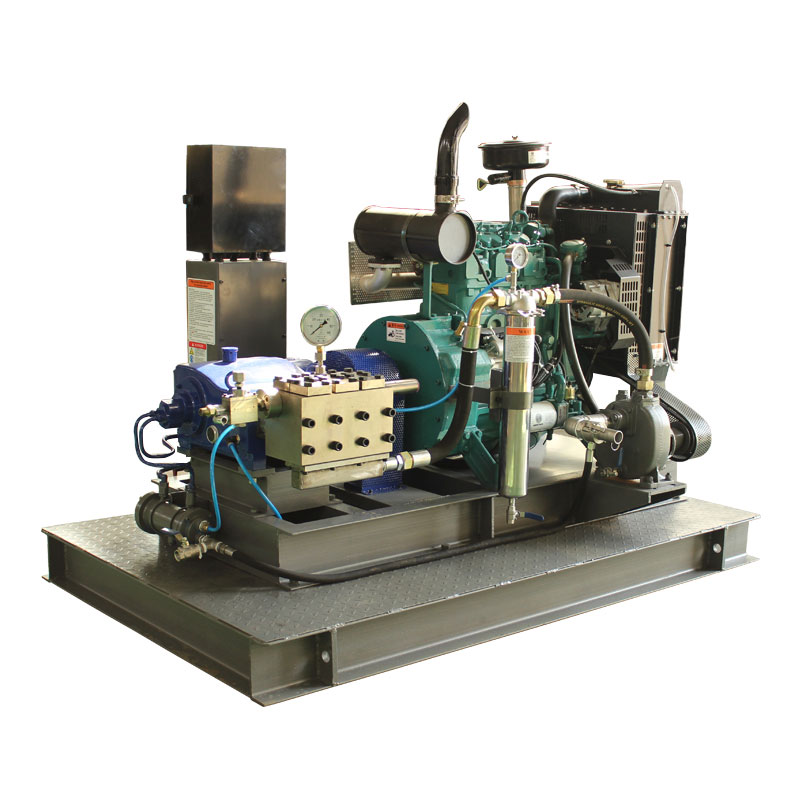
- Pump type: Axial cam pumps are entry-level; triplex plunger pumps are industry standard for high-pressure, high-duty-cycle applications and can last 1,000–2,000+ hours with proper maintenance.
- Power source: Electric motors offer consistent power and zero emissions (suitable for indoor use); diesel/petrol engines provide portability for remote job sites where mains power isn't available.
- Hose length and rating: Ensure the hose pressure rating exceeds the machine's maximum output by at least 1.5x for safety margins. Standard hose lengths range from 10m to 30m for industrial units.
- Nozzle compatibility: Check that the machine uses industry-standard fittings (e.g., 1/4" or 3/8" quick-connect) so replacement nozzles are readily available.
- Duty cycle: Some units are rated for intermittent use (30–50%); industrial operations require machines rated for continuous duty (100%) or near-continuous use.
- Frame and mobility: Skid-mounted units suit fixed or semi-fixed installations; trailer-mounted models are preferred for multi-site operations.
How to Select the Right Nozzle for Each Task
The nozzle is the most underappreciated component of a water blasting setup. The same machine can produce dramatically different results depending on nozzle selection. Nozzle angle determines the trade-off between pressure concentration and coverage area:
| Nozzle Angle | Spray Pattern | Best Use |
| 0° (Red) | Pinpoint pencil jet | Stubborn deposits, line marking removal |
| 15° (Yellow) | Narrow fan | Heavy rust, paint stripping |
| 25° (Green) | Medium fan | General-purpose surface cleaning |
| 40° (White) | Wide fan | Delicate surfaces, rinsing |
| 65° (Black) | Very wide, low pressure | Soap/chemical application |
| Rotary/Turbo | Rotating pencil jet | Concrete, heavily fouled surfaces |
Never use a 0° nozzle on soft materials such as wood, fiberglass, or painted surfaces — it concentrates the full force of the machine's pressure into a 1–2mm point and will cause immediate surface damage.
Operating a Water Blaster Safely and Effectively
Water blasters — especially high-pressure industrial units — carry serious injury risk if operated improperly. High-pressure water injection injuries (where water penetrates skin) can occur at pressures as low as 1,000 PSI and require immediate medical treatment.
Essential Safety Practices
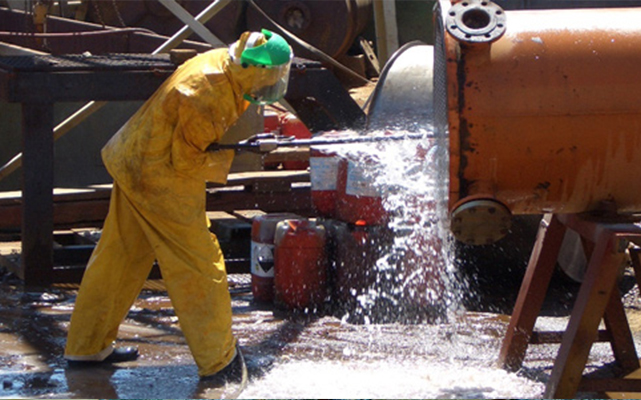
- Always wear appropriate PPE: waterproof gloves, safety boots, eye protection, and hearing protection for high-output machines.
- Never point the lance at any person, animal, or electrical equipment.
- Maintain a minimum working distance — typically 30–50cm from the surface for 3,000+ PSI units — to avoid damaging the substrate.
- Inspect hoses, connections, and the gun trigger before each use. Replace cracked or damaged hoses immediately.
- Secure the work area and post warning signs when operating in shared spaces.
- Relieve pressure from the system before disconnecting hoses or changing nozzles.
Technique for Best Cleaning Results
Hold the lance at a consistent angle — 45° is widely considered optimal for most surface cleaning tasks, as it lifts and carries debris away rather than driving it into the surface. Work in overlapping passes to avoid streaking. For large flat areas, use a surface cleaner attachment to improve efficiency and reduce operator fatigue — surface cleaners can clean 3–5x faster than a standard lance on open floor areas.
Maintenance Routines That Extend Machine Life
A well-maintained water blaster running on a triplex plunger pump should achieve 1,500–2,000 operating hours before major service. Neglecting maintenance accelerates pump wear, seal failure, and valve damage — often reducing service life by 50% or more.
- After every use: Flush the pump with clean water for 2–3 minutes to remove chemical residues. Release pressure and store the hose coiled without kinks.
- Every 50 hours: Check and top up pump oil. Inspect seals and packings for seepage — a few drops under the pump head indicates packing wear that should be addressed promptly.
- Every 250 hours: Change pump oil. Inspect inlet/outlet valves for wear or debris lodgment. Check water inlet filter and clean or replace as needed.
- Annually or every 500 hours: Full service including packing replacement, valve inspection, unloader valve test, and drive belt tension check (belt-driven units).
- Cold weather: Always drain the pump and hoses before storage below freezing temperatures. Ice expansion inside the pump head will crack it — a repair that can cost more than a new unit.
Common Applications and the Right Setup for Each
Different industries have distinct requirements. Here's how to configure your equipment for common scenarios:
Concrete Surface Preparation
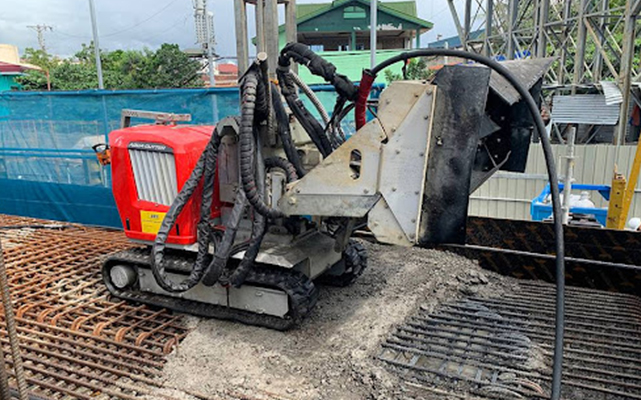
For coating adhesion, concrete must be profiled to CSP 3–5 (Concrete Surface Profile). Achieve this with 5,000–10,000 PSI and a rotary or zero-degree nozzle. Hydroblasting is increasingly preferred over mechanical grinding as it produces no dust, removes laitance effectively, and doesn't micro-fracture the substrate.
Industrial Tank and Vessel Cleaning
Confined space work requires remote-operated rotating lance assemblies or automated tank cleaning heads to eliminate operator exposure. Units used for this application typically run at 3,000–8,000 PSI with high flow rates (10–25 GPM) to maximize coverage speed.
Marine Hull Cleaning
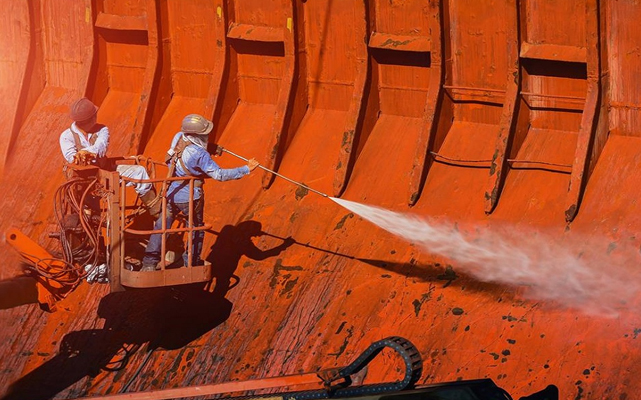
Antifouling paint and barnacle removal requires careful pressure management — too high and you remove the underlying protective coatings. Most marine contractors work at 2,500–5,000 PSI with 25° or 40° nozzles, keeping the lance moving constantly. Hot water units significantly improve results on biofouling.
Pipe and Drain Jetting
Jetter units for pipe cleaning use specialized forward and rear-facing nozzles designed to propel the hose through the pipe while cutting blockages. Pressure requirements vary by pipe size — small drains (100mm): 2,000–3,500 PSI; large stormwater or sewer mains (300mm+): 4,000–8,000 PSI.
FAQ: Water Blasting Machine
Q1: What is the difference between a pressure washer and a water blasting machine?
The terms overlap, but "water blasting machine" typically refers to industrial-grade units operating above 3,000 PSI for surface preparation and heavy cleaning, while "pressure washers" often describe lighter-duty residential or commercial equipment below 3,000 PSI.
Q2: How much PSI do I need to remove paint?
Effective paint removal generally requires a minimum of 3,000 PSI, with a 15° or 25° nozzle. Thick industrial coatings or multiple paint layers may need 5,000–10,000 PSI for efficient removal.
Q3: Can I use a water blasting machine on wood?
Yes, but with caution. Use a wide-angle nozzle (40°), keep pressure below 1,500 PSI for softwoods, and maintain a distance of at least 30–40cm. Always move the lance with the grain to avoid raising or splitting wood fibers.
Q4: Is hot water always better than cold water for cleaning?
Not always. Hot water excels on grease and oil-based contamination, cutting cleaning time significantly. For mud, sand, or loose debris, cold water is equally effective and costs less to operate.
Q5: How often should pump oil be changed?
For triplex plunger pumps under regular use, change pump oil every 250 operating hours or at least annually — whichever comes first. Always use the grade specified by the pump manufacturer.
Q6: What causes a water blaster to lose pressure?
Common causes include worn or damaged pump packings/seals, a faulty unloader valve, clogged inlet filter, air in the water supply, or a worn nozzle orifice. Start by checking the nozzle — an oversized orifice from wear is a frequent and easy-to-miss culprit.
Q7: Can one water blasting machine handle multiple applications?
Yes. A mid-range unit (4,000–8,000 PSI with variable unloader) combined with the right nozzle selection can handle concrete prep, tank cleaning, vehicle washing, and general surface cleaning. The key is adjustable pressure output and an accessible nozzle change system.
Q8: What safety certifications should I look for?
Look for compliance with relevant regional standards — such as CE marking in Europe, and pressure vessel certifications where applicable. Hoses and guns should meet or exceed the machine's maximum operating pressure rating, certified by the hose manufacturer.