 English
 Español
 عربى
عربى


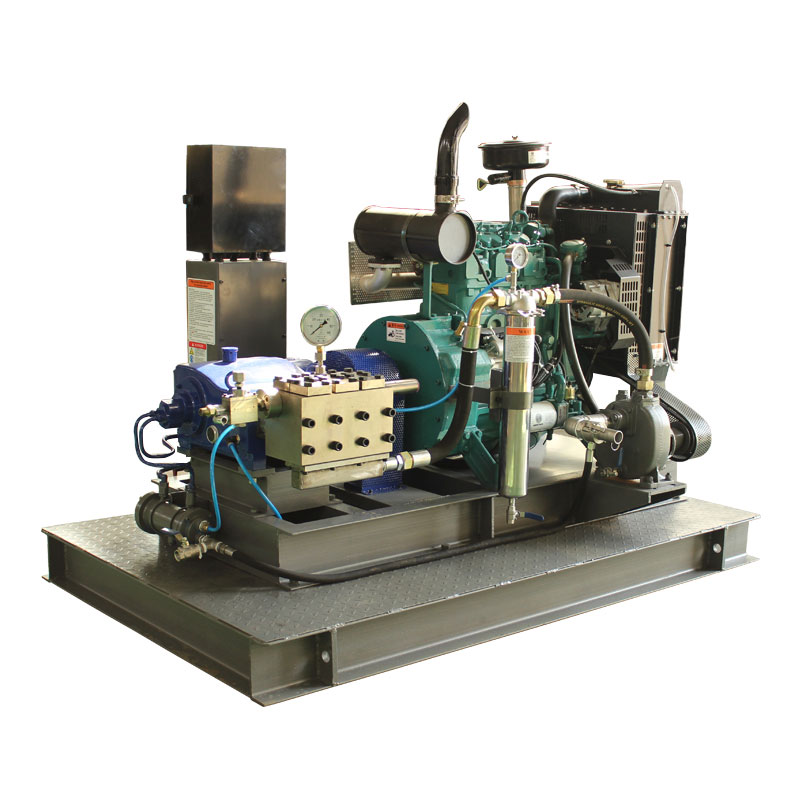
The high pressure plunger water pump is a specialized type of positive displacement pump designed for applications requiring high-pressure fluid delivery. While it shares some operational principles with a piston pump, there are several key differences in design, performance, and application. Understanding these differences is crucial for engineers, technicians, and procurement specialists who need to select the most suitable pump for their industrial processes.
Overview of high pressure plunger water pumps
A high pressure plunger water pump utilizes one or more reciprocating plungers to draw fluid into a chamber and then discharge it at elevated pressures. The plunger moves within a precision-machined cylinder, and fluid is regulated through inlet and discharge valves. This design allows the pump to generate consistent high-pressure flow even under varying operational conditions.
Key features of a high pressure plunger water pump include:
- High-pressure capability: Typically designed for pressures ranging from tens to several hundreds of bars.
- Precision components: Plungers and cylinders are manufactured to tight tolerances for long-term reliability.
- Versatility in fluid handling: Suitable for water, chemicals, and other low-viscosity fluids.
Table 1 summarizes the fundamental specifications of a standard high pressure plunger water pump.
| Feature | Description | Typical Range |
|---|---|---|
| Pressure capability | Maximum discharge pressure | 50–600 bar |
| Flow rate | Operational capacity | 5–200 L/min |
| Material | Cylinder and plunger | Stainless steel or alloy |
| Valves | Suction and discharge control | Stainless steel or ceramic |
| Application | Suitable fluids | Water, chemicals, light oil |
Structural differences between high pressure plunger water pumps and piston pumps
Although both high pressure plunger water pumps and piston pumps are positive displacement pumps, their structural designs differ in several important aspects.
Plunger versus piston design:
- In a plunger pump, the plunger is stationary in terms of seals, and only the plunger moves linearly within the cylinder. The cylinder itself remains fixed, which reduces wear on sealing surfaces and allows higher pressures.
- In a piston pump, the piston moves within a cylinder that may have a flexible seal arrangement, which limits the maximum achievable pressure and increases the risk of seal wear under prolonged operation.
Valve configuration:
- High pressure plunger water pumps typically use precision-engineered suction and discharge valves made of stainless steel or ceramic to handle high-pressure fluids with minimal leakage.
- Piston pumps may employ simpler spring-loaded valves, which are more prone to wear under high-pressure conditions.
Mechanical drive differences:
- Plunger pumps often employ crankshaft or cam-driven mechanisms to convert rotary motion into linear plunger motion, providing smooth and consistent displacement.
- Piston pumps can use similar drives but may incorporate additional linkages or guides that introduce minor inconsistencies in flow rate under fluctuating load conditions.
Operational performance comparison
Flow stability:
One of the main advantages of a high pressure plunger water pump is its ability to maintain stable flow at high pressures, which is critical in industrial cleaning, high-pressure washing, and process water injection applications. Piston pumps, while capable of delivering high pressures, often exhibit greater pulsation in the flow, which may require additional dampening equipment.
Efficiency at high pressure:
Plunger pumps are engineered for efficient operation under high-pressure conditions. Their fixed cylinder design minimizes energy losses, whereas piston pumps may experience increased friction and leakage at elevated pressures.
Durability and maintenance:
- The high pressure plunger water pump benefits from reduced seal wear due to stationary cylinder construction. Routine maintenance typically focuses on plunger lubrication, valve inspection, and periodic replacement of high-pressure seals.
- Piston pumps require more frequent seal replacement and careful monitoring of cylinder wear, particularly when handling abrasive or chemically aggressive fluids.
Table 2 highlights key operational differences.
| Feature | High pressure plunger water pump | Piston pump |
|---|---|---|
| Maximum operating pressure | Up to 600 bar | Generally up to 400 bar |
| Flow consistency | Very stable | Moderate, may require dampeners |
| Seal wear | Low | Moderate to high |
| Maintenance frequency | Regular, but less intensive | Frequent seal and cylinder inspection |
| Suitable applications | High-pressure cleaning, chemical injection, waterjet cutting | General pumping, hydraulic systems |
Applications and industrial relevance
High pressure plunger water pumps are widely used in industries that require precise, high-pressure fluid delivery. Common applications include:
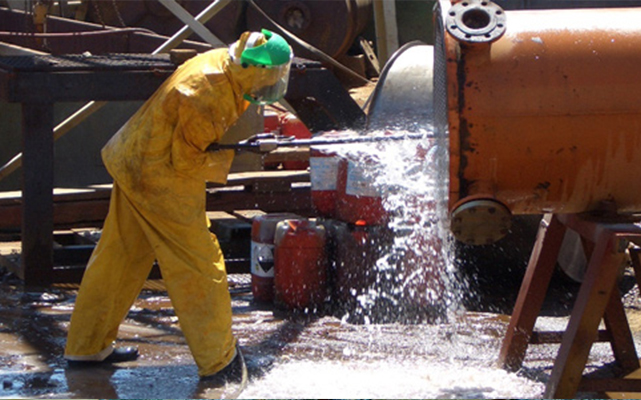
- Industrial cleaning systems for machinery and equipment.
- Waterjet cutting in manufacturing and fabrication.
- Process water injection in chemical and petrochemical plants.
- High-pressure water transfer and reverse osmosis feed systems.
Piston pumps are typically used in scenarios where extremely high pressure is not required, or where flow pulsation is acceptable. Industries often select piston pumps for:
- Hydraulic fluid circulation.
- Oil transfer systems.
- Low to medium pressure water delivery in general industrial processes.
Understanding the specific requirements of the application is essential for selecting between a high pressure plunger water pump and a piston pump. Key factors include maximum pressure, flow stability, fluid characteristics, and maintenance constraints.
Maintenance and operational best practices
To ensure optimal performance and longevity of a high pressure plunger water pump, operators should follow several best practices:
- Regular inspection of plungers and cylinders to detect early signs of wear.
- Monitoring valve condition to maintain discharge efficiency and prevent leakage.
- Lubrication of moving parts according to manufacturer recommendations to reduce friction.
- Routine cleaning to prevent sediment buildup, especially when handling process water or chemically active fluids.
- Pressure and flow monitoring to ensure operation within design specifications.
Implementing these practices minimizes downtime, maintains high efficiency, and reduces the risk of pump failure.
Advantages of high pressure plunger water pumps over piston pumps
High pressure plunger water pumps offer several advantages that make them preferable in certain industrial contexts:
- Higher pressure tolerance: Capable of operating safely at pressures exceeding the typical piston pump range.
- Stable flow: Reduced pulsation improves process control and equipment longevity.
- Lower maintenance demand: Stationary cylinder design reduces wear and extends seal life.
- Versatility: Can handle a wider range of fluids, including mildly abrasive and chemically active liquids.
Limitations and considerations
While high pressure plunger water pumps provide many benefits, there are certain limitations to consider:
- Initial cost: High precision components may result in higher upfront investment compared to standard piston pumps.
- Complexity of repair: Specialized components require skilled maintenance personnel.
- Size and weight: Plunger pumps designed for very high pressures may be larger and heavier than equivalent piston pumps.
Despite these considerations, the operational benefits often outweigh the drawbacks for high-demand industrial applications.
Conclusion
In summary, high pressure plunger water pumps and piston pumps are both positive displacement devices but differ significantly in structural design, operational performance, and application suitability. Plunger pumps excel in high-pressure, stable-flow applications with reduced maintenance needs, while piston pumps remain suitable for lower-pressure or less critical scenarios.
FAQ
Q1: Can a high pressure plunger water pump handle abrasive fluids?
Yes, high pressure plunger water pumps can handle mildly abrasive fluids, but frequent inspection of plungers, cylinders, and valves is recommended.
Q2: How often should seals be replaced in a high pressure plunger water pump?
Seal replacement frequency depends on operating pressure, fluid characteristics, and maintenance practices, but generally every 6–12 months under standard industrial conditions.
Q3: Is a high pressure plunger water pump suitable for chemical injection applications?
Yes, these pumps are commonly used in chemical injection due to their precise flow control and ability to handle various chemical fluids safely.
Q4: What is the main difference in maintenance between a high pressure plunger water pump and a piston pump?
Plunger pumps typically require less frequent seal maintenance due to stationary cylinder construction, whereas piston pumps require more regular inspection and replacement of seals.
Q5: Can a high pressure plunger water pump be used for waterjet cutting?
Yes, its ability to maintain stable high-pressure flow makes it ideal for waterjet cutting operations.
References
- White, F.M. Fluid Mechanics, 9th Edition. McGraw-Hill, 2020.
- Streeter, V.L., Wylie, E.B. Fluid Mechanics, 12th Edition. McGraw-Hill, 2018.
- Karassik, I.J., et al. Pump Handbook, 4th Edition. McGraw-Hill, 2007.