 English
 Español
 عربى
عربى


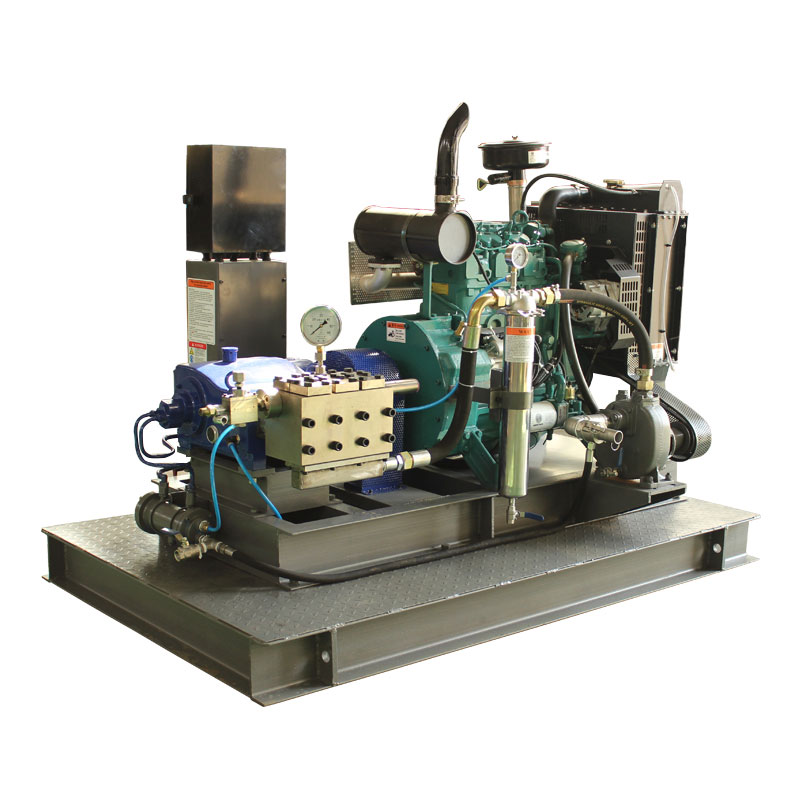
The diesel high pressure water pump is an essential component in various industrial, agricultural, and commercial applications. Its primary role is to deliver water at high pressures for tasks such as irrigation, cleaning, firefighting, and cooling systems.
Overview of diesel high pressure water pump
A diesel high pressure water pump is powered by a diesel engine, which drives the pumping mechanism to deliver high-pressure water. Unlike electric pumps, diesel-powered models offer portability, independence from electrical grids, and reliability in remote or demanding environments. Key components of a diesel high pressure water pump include the engine, pump housing, impeller or plunger system, seals, and pressure control valves. These elements vary across pump types and influence factors such as efficiency, flow rate, durability, and maintenance requirements.
The choice of a diesel high pressure water pump often depends on operational needs, including desired pressure, flow rate, fluid type, and working conditions. The diversity in pump designs reflects these varying requirements, and understanding the differences can prevent equipment underperformance or premature failure.
Main types of diesel high pressure water pump
There are several major types of diesel high pressure water pump, each distinguished by its pumping mechanism, flow characteristics, and intended application. The primary categories include centrifugal pumps, plunger pumps, gear pumps, and diaphragm pumps.
Centrifugal diesel high pressure water pump
Centrifugal diesel high pressure water pump is widely used due to its simplicity, reliability, and ability to handle large volumes of water. This type employs a rotating impeller to impart kinetic energy to the fluid, converting it into pressure. Key characteristics include:
- Continuous flow: Centrifugal pumps provide smooth and steady water flow, making them suitable for irrigation, water supply, and industrial cooling.
- Moderate pressure: Typically designed for medium-pressure applications, they are not ideal for extremely high-pressure requirements.
- Low maintenance: Fewer moving parts and simple construction reduce maintenance demands.
| Feature | Centrifugal Pump |
|---|---|
| Flow type | Continuous |
| Pressure capacity | Moderate |
| Maintenance | Low |
| Suitable applications | Irrigation, water supply, cooling |
While centrifugal pumps are effective for high-volume water transfer, their performance can decline when handling viscous fluids or when system resistance increases significantly. Users must ensure the pump’s specifications align with operational requirements.
Plunger diesel high pressure water pump
The plunger diesel high pressure water pump operates using a reciprocating plunger or piston mechanism. Water is drawn into the pump chamber during the suction stroke and expelled at high pressure during the discharge stroke. This design allows for very high-pressure outputs, making it suitable for industrial cleaning, firefighting, and pressure testing.
- High pressure: Capable of generating pressures significantly higher than centrifugal pumps.
- Intermittent flow: The reciprocating action produces pulsating flow, which may require additional equipment such as pulsation dampeners for sensitive systems.
- Precise control: Plunger pumps allow accurate control of flow rate and pressure, enhancing operational flexibility.
| Feature | Plunger Pump |
|---|---|
| Flow type | Intermittent / Pulsating |
| Pressure capacity | High |
| Maintenance | Moderate to High |
| Suitable applications | Industrial cleaning, firefighting, pressure testing |
Plunger pumps are typically more complex and require regular maintenance of seals and plunger components. Their high-pressure capability makes them ideal for applications that demand intensive water jetting.
Gear diesel high pressure water pump
Gear diesel high pressure water pump uses meshing gears to displace fluid. Water enters the spaces between the gear teeth and is carried to the discharge outlet. These pumps are known for their durability and compact design.
- Moderate pressure and flow: Gear pumps provide consistent pressure, though generally lower than plunger pumps.
- Self-priming: Gear pumps can lift water from a lower level without requiring external priming.
- Compact and reliable: The simple mechanical structure ensures durability and ease of installation.
Gear pumps are often employed in applications such as hydraulic systems, lubrication circuits, and low- to medium-pressure water transfer. They are less suitable for very high-pressure applications due to limitations in mechanical strength and efficiency.
Diaphragm diesel high pressure water pump
The diaphragm diesel high pressure water pump utilizes a flexible diaphragm to displace water. The diaphragm moves back and forth, creating suction and discharge cycles. This type of pump is often selected for handling corrosive or abrasive fluids.
- High chemical resistance: Diaphragm pumps can handle fluids that may damage traditional metal pump components.
- Variable pressure: The pressure can be adjusted based on diaphragm stroke and pump speed.
- Pulsating flow: Similar to plunger pumps, diaphragm pumps produce a non-continuous flow.
Diaphragm pumps are widely applied in chemical processing, wastewater management, and food industry systems. They are generally not used for extremely high-volume water transfer due to limitations in flow rate.
Comparison of different types
Understanding the differences between pump types is crucial for selecting the most suitable diesel high pressure water pump. The following table summarizes key aspects:
| Pump Type | Flow Character | Pressure Capacity | Maintenance | Ideal Applications |
|---|---|---|---|---|
| Centrifugal | Continuous | Moderate | Low | Irrigation, water supply, cooling |
| Plunger | Pulsating | High | Moderate to High | Industrial cleaning, firefighting, pressure testing |
| Gear | Continuous | Moderate | Low | Hydraulic systems, lubrication, water transfer |
| Diaphragm | Pulsating | Moderate to High | Moderate | Chemical handling, wastewater, food processing |
This comparison highlights the trade-offs between pressure, flow, and maintenance requirements, enabling informed decision-making based on specific operational needs.
Factors influencing pump selection
Several factors determine the choice of diesel high pressure water pump, including:
- Operational pressure: Applications requiring high-pressure water jets demand plunger or diaphragm pumps.
- Flow rate requirements: High-volume systems benefit from centrifugal or gear pumps.
- Fluid characteristics: Abrasive or corrosive fluids necessitate diaphragm pumps or specially coated plunger pumps.
- Maintenance capacity: Systems with limited maintenance resources may favor centrifugal or gear pumps.
- Portability and fuel type: Diesel pumps provide independence from electrical grids, ideal for remote locations.
Selecting the appropriate pump involves balancing these factors against budget, operational efficiency, and system requirements.
Installation and operational considerations
Proper installation of a diesel high pressure water pump ensures optimal performance and longevity. Key considerations include:
- Foundation and alignment: Pumps must be installed on a stable surface and aligned with suction and discharge piping to avoid vibration and premature wear.
- Priming: Certain pump types, such as centrifugal pumps, require priming before operation to avoid cavitation.
- Pressure control: Using pressure regulators or relief valves prevents system overload and protects pump components.
- Maintenance schedule: Regular inspection of seals, impellers, and plunger components prevents unexpected downtime.
Neglecting installation and operational requirements can significantly reduce pump lifespan and efficiency.
Advantages and limitations
Each type of diesel high pressure water pump offers unique benefits and has specific limitations:
- Centrifugal pumps: Simple, reliable, and low maintenance, but limited in high-pressure applications.
- Plunger pumps: High-pressure capability and precise control, but more complex and require frequent maintenance.
- Gear pumps: Compact, self-priming, and durable, but generally lower in pressure capacity.
- Diaphragm pumps: Chemical resistant and flexible in pressure adjustment, but pulsating flow limits high-volume applications.
Recognizing these advantages and limitations is critical for selecting the most effective pump type for a given context.
Common applications
The diesel high pressure water pump finds use across multiple industries:
- Agriculture: Irrigation and water transfer.
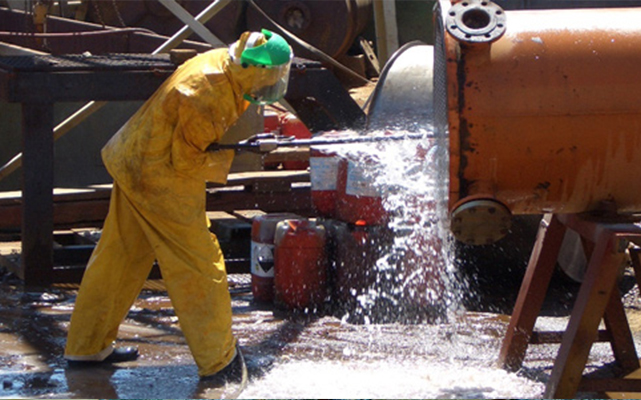
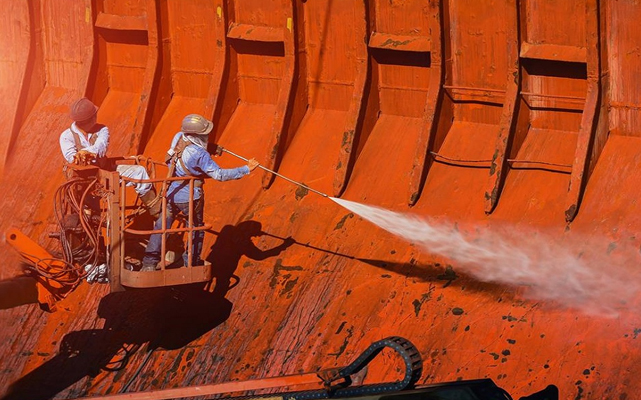
- Industrial cleaning: High-pressure water jets for surface cleaning and maintenance.
- Firefighting: Portable high-pressure water delivery for emergency situations.
- Chemical processing: Safe handling of corrosive or abrasive fluids.
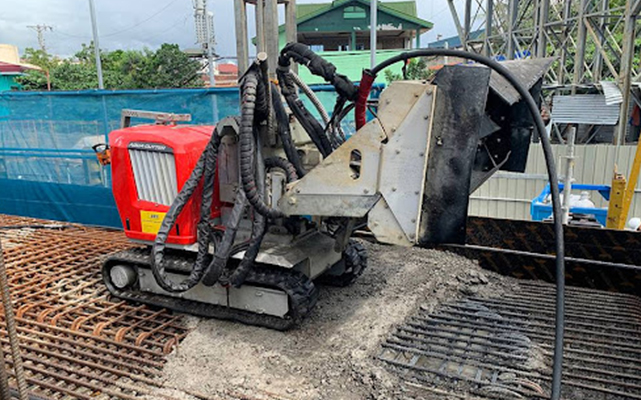
- Construction: Dust suppression and concrete curing operations.
Selecting the appropriate pump type ensures efficiency, reliability, and operational safety in these applications.
Conclusion
Choosing the right diesel high pressure water pump involves understanding the differences between various pump types, evaluating operational needs, and balancing factors such as flow rate, pressure, fluid characteristics, and maintenance requirements.
Frequently asked questions (FAQ)
Q1: What is the main difference between centrifugal and plunger diesel high pressure water pump?
A1: Centrifugal pumps provide continuous flow at moderate pressure, while plunger pumps deliver high-pressure water with pulsating flow suitable for industrial applications.
Q2: Can a diaphragm diesel high pressure water pump handle abrasive fluids?
A2: Yes, diaphragm pumps are designed to handle abrasive or corrosive fluids safely, making them ideal for chemical processing and wastewater management.
Q3: How often should I maintain a diesel high pressure water pump?
A3: Maintenance frequency depends on pump type and usage. Plunger and diaphragm pumps require more frequent inspection, while centrifugal and gear pumps have lower maintenance demands.
Q4: Is a diesel high pressure water pump suitable for remote locations?
A4: Yes, diesel-powered pumps are independent of electrical grids, making them suitable for remote or mobile operations.
Q5: How do I select the correct pump type for my application?
A5: Consider factors such as desired pressure, flow rate, fluid type, maintenance capacity, and operational environment to choose the most suitable pump.
References
- Pump Handbook, 4th Edition, Igor J. Karassik et al., McGraw-Hill, 2008.
- Hydraulics and Pneumatics: A Technician’s and Engineer’s Guide, Andrew Parr, Elsevier, 2019.
- Centrifugal and Positive Displacement Pumps: Design and Application, David S. Owen, Wiley, 2015.