 English
 Español
 عربى
عربى


High pressure water jet pump is a versatile industrial tool used across multiple sectors, including manufacturing, construction, petrochemical, and food processing industries. Understanding the types of high pressure water jet pump available is essential for selecting the right equipment for specific operational needs.
Introduction to high pressure water jet pump
A high pressure water jet pump is designed to produce water at high pressures, enabling efficient cleaning, cutting, and material removal applications. The operation is based on the principle of accelerating water through specialized nozzles to generate forceful streams, capable of performing tasks ranging from surface preparation to industrial-scale washing. The versatility and reliability of high pressure water jet pump make it a key asset in modern industrial operations.
Key considerations when choosing a high pressure water jet pump include the required pressure range, flow rate, operational environment, and maintenance requirements. These factors determine the suitability of the pump for different industries and applications.
Classification of high pressure water jet pump
High pressure water jet pumps can be classified based on their design, driving mechanism, and intended application. A clear understanding of these categories allows users to identify the most suitable pump type for their operational needs.
1. Triplex plunger high pressure water jet pump
The triplex plunger high pressure water jet pump is widely used due to its efficiency and durability. It consists of three pistons arranged in a sequence, each responsible for delivering water under high pressure. These pumps are preferred in industries requiring consistent high-pressure output for prolonged periods.
Characteristics of triplex pumps:
- Smooth and continuous flow
- High pressure capability with moderate flow rates
- Robust construction suitable for industrial use
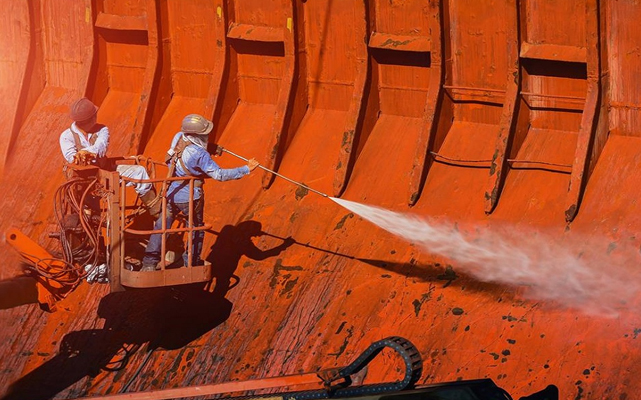
Applications: These pumps are commonly applied in industrial cleaning, cutting operations, and high-pressure water blasting for surface preparation.
2. Duplex plunger high pressure water jet pump
The duplex plunger high pressure water jet pump operates using two pistons, providing a slightly lower pressure but increased efficiency in specific applications. Duplex pumps are known for their compact design and lower maintenance requirements compared to triplex pumps.
Applications: Ideal for medium-scale industrial cleaning, wastewater treatment, and equipment descaling tasks where slightly lower pressure is sufficient.
3. Intensifier-type high pressure water jet pump
The intensifier-type high pressure water jet pump uses a hydraulic intensifier to increase pressure. This type is often chosen for specialized applications requiring extremely high pressures with controlled flow rates.
Advantages:
- Ability to achieve very high pressures exceeding conventional plunger pumps
- Precise pressure control for delicate cutting tasks
- Suitable for abrasive water jet cutting
Applications: Industrial cutting of metals, stone, glass, and other high-strength materials. Often used in applications where precision is critical.
4. Electric-driven high pressure water jet pump
Electric-driven high pressure water jet pump models are popular in indoor or environmentally sensitive areas. They are powered by electric motors, which allow precise speed control and quieter operation.
Benefits:
- Reduced environmental noise and emissions
- Efficient energy usage in controlled settings
- Easy integration with automated cleaning systems
Applications: Food processing, cleanroom maintenance, and laboratory cleaning operations where reliability and quiet operation are required.
5. Diesel-driven high pressure water jet pump
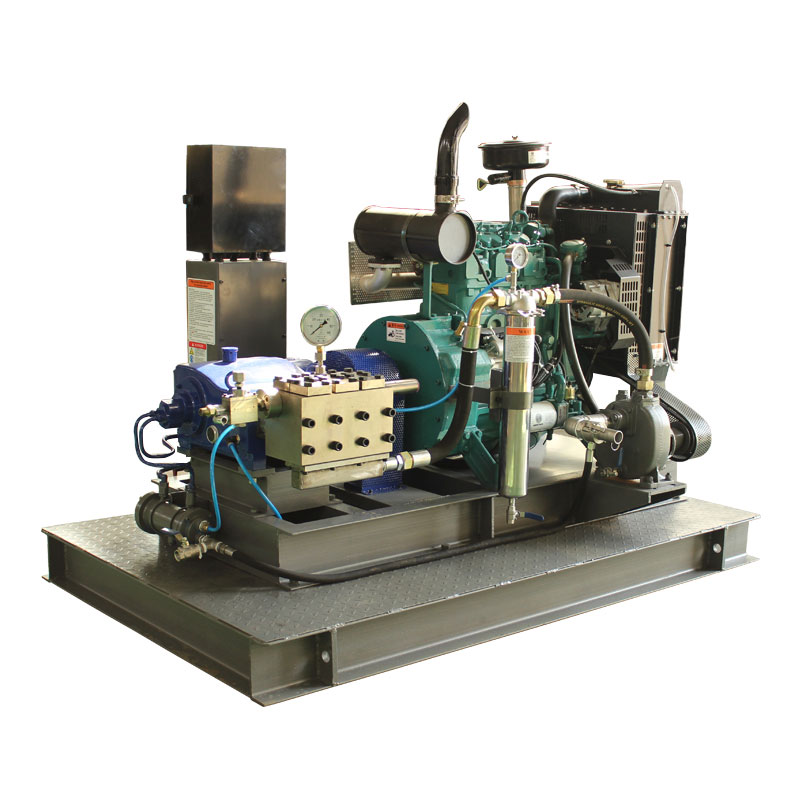
Diesel-powered high pressure water jet pump models provide mobility and high-pressure output for outdoor operations or areas without access to electricity. They are commonly used in construction, mining, and municipal maintenance tasks.
Advantages:
- High mobility for remote or large-scale projects
- Suitable for continuous operation in heavy-duty conditions
- Robust construction for harsh environments
Applications: Road cleaning, industrial plant maintenance, and heavy-duty washing operations.
Key operational parameters
When evaluating different types of high pressure water jet pump, several operational parameters must be considered. These include pressure rating, flow rate, pump size, and operating frequency. Table 1 illustrates typical specifications for commonly used pump types.
Table 1: Operational characteristics of high pressure water jet pump types
| Pump Type | Typical Pressure Range | Flow Rate Range | Maintenance Frequency |
|---|---|---|---|
| Triplex plunger | 1000–3000 bar | 5–50 L/min | Medium |
| Duplex plunger | 800–2500 bar | 5–60 L/min | Low |
| Intensifier-type | 2000–4000 bar | 2–20 L/min | Medium |
| Electric-driven | 500–2500 bar | 5–40 L/min | Low |
| Diesel-driven | 1000–3000 bar | 10–60 L/min | Medium |
Understanding these parameters allows engineers and operators to select a pump that balances efficiency, durability, and operational safety.
Applications across industries
High pressure water jet pumps serve diverse industrial sectors due to their versatility. Surface cleaning, cutting, material removal, and chemical-free washing are some of the most common applications. Table 2 provides an overview of industry-specific applications.
Table 2: Industrial applications of high pressure water jet pump
| Industry | Application |
|---|---|
| Manufacturing | Equipment cleaning, mold maintenance |
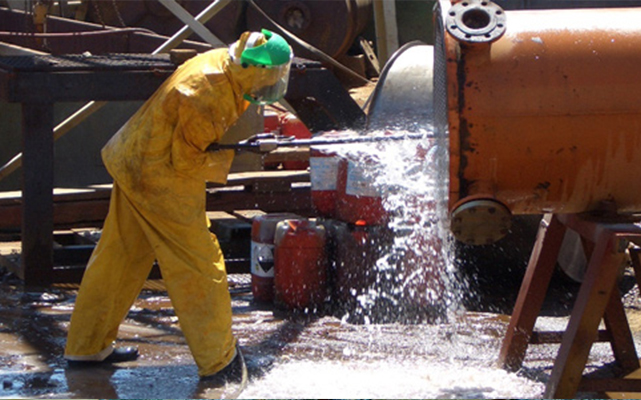
| Petrochemical | Tank and pipe cleaning, chemical residue removal |
| Food processing | Sanitation, PET bottle washing, conveyor cleaning |
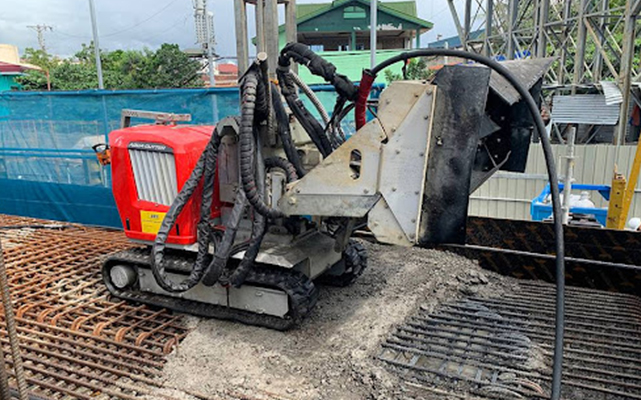
| Construction | Surface preparation, concrete removal |
| Mining | Equipment cleaning, mineral extraction support |
| Municipal maintenance | Road cleaning, sewer pipe maintenance |
These applications highlight the high adaptability of high pressure water jet pumps, which can accommodate a wide range of operational environments.
Selection criteria
Selecting the right high pressure water jet pump depends on multiple factors. These include:
- Required pressure and flow rate: Ensuring that the pump meets the operational demands.
- Power source availability: Electric, diesel, or hydraulic options depending on environment.
- Operational environment: Indoor versus outdoor, mobile versus stationary.
- Maintenance capabilities: Availability of skilled personnel and parts for servicing.
- Material compatibility: Ensuring pump materials are suitable for abrasive or corrosive liquids.
A careful evaluation of these criteria will enhance performance, reliability, and lifespan of the pump.
Advantages and limitations of different pump types
While each type of high pressure water jet pump offers specific benefits, they also have certain limitations. Understanding these aspects ensures informed decision-making:
- Triplex pumps provide steady flow but may require regular maintenance.
- Duplex pumps are compact but may have lower pressure output.
- Intensifier-type pumps deliver very high pressure but may have limited flow.
- Electric pumps are clean and quiet but depend on electricity availability.
- Diesel pumps are mobile and robust but may require fuel logistics and emit exhaust.
Safety considerations
Operating a high pressure water jet pump requires strict adherence to safety protocols. Protective equipment, proper training, and adherence to operating guidelines are essential. Failure to observe safety practices can result in injury or equipment damage.
Maintenance best practices
Maintenance of high pressure water jet pump includes regular inspection of pistons, seals, valves, and hoses. Cleaning water filters, monitoring pressure output, and replacing worn components ensure consistent performance and longevity.
Conclusion
Understanding what types of high pressure water jet pump are available is crucial for industrial operators and engineers. By analyzing operational characteristics, applications, and maintenance requirements, users can select the most appropriate pump for their needs. Proper selection ensures efficiency, safety, and cost-effectiveness.
Frequently asked questions (FAQ)
Q1: How do I choose between a triplex and duplex high pressure water jet pump?
A: Consider the required pressure and flow rate. Triplex pumps provide steadier flow and higher pressure, while duplex pumps are more compact and require less maintenance.
Q2: Can high pressure water jet pumps be used with abrasive materials?
A: Yes, but material compatibility and nozzle selection must be considered to avoid accelerated wear.
Q3: What are the advantages of electric high pressure water jet pumps over diesel models?
A: Electric pumps are quieter, produce no exhaust, and are suitable for indoor or environmentally sensitive areas.
Q4: How often should a high pressure water jet pump be serviced?
A: Service intervals depend on usage intensity and pump type but generally range from monthly inspections to semi-annual comprehensive maintenance.
Q5: Are high pressure water jet pumps suitable for food industry applications?
A: Yes, particularly electric-driven pumps, which are ideal for sanitation, cleaning PET bottles, and conveyor maintenance without chemical contamination.
References
- Smith, J., Industrial High Pressure Water Jetting Technology, Industrial Press, 2020.
- Johnson, L., Water Jet Pump Applications in Manufacturing, Engineering Review, 2021.
- Thompson, R., Maintenance and Safety Guidelines for High Pressure Pumps, Technical Publications, 2019.