 English
 Español
 عربى
عربى


1. Defining the Core: What Is a Sewer Jetter in Plumbing?
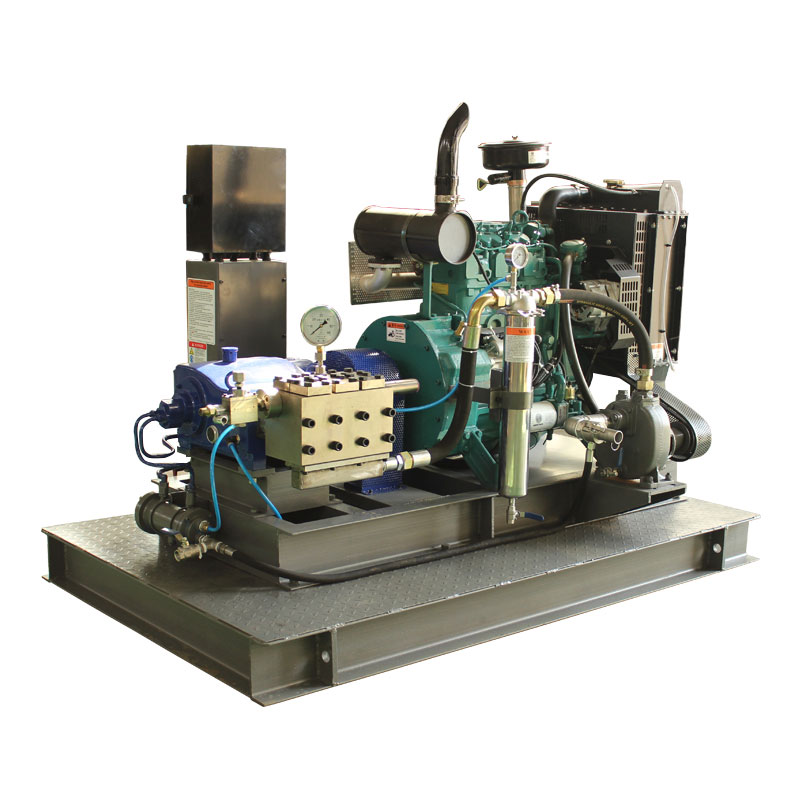
A sewer jetter refers to a specialized pipe cleaning machine that uses highly pressurized water streams to clear blockages, remove built-up grease, scale, roots, and debris from interior pipe walls. Unlike mechanical augers or snakes that merely poke a hole through a clog, a Water Jetting Machine scours the entire pipe circumference, restoring full flow diameter. In professional plumbing terminology, what is a jetter? It is a system comprising a high-pressure pump, a hose reel, and a specialized sewer line cleaning equipment nozzle with rear- and forward-facing orifices. The fundamental question what is a jetter in plumbing gets answered by recognizing its hydro-mechanical action: water pressure ranging from 1,500 PSI to 4,000 PSI and flow rates of 4–15 GPM converts static water into kinetic energy, cutting and flushing obstructions simultaneously.
For field technicians learning how to jet a sewer line, the process involves inserting a high-pressure line with a jetting nozzle into a cleanout or access point, then activating the pump. The nozzle’s rear jets propel the hose forward while forward jets break apart blockages. The entire hydro jetting process is clean, environmentally friendly (using only water), and effective for pipes 1.5 inches to 12 inches in diameter. Data from municipal maintenance logs indicate that hydro jetting removes 99% of biofilm and grease compared to 60–70% removal by snaking, significantly reducing repeat service calls.
2. How a High-Pressure Line Jetter Operates: Physics and Components
A high pressure line jetter operates on Pascal’s principle and fluid dynamics. The system consists of five primary components: a diesel, gas, or electric motor driving a triplex plunger pump; a reinforced thermoplastic or rubber hose rated for burst pressures 3x operating pressure; a swivel coupling to prevent hose twisting; a jetter nozzle with precision laser-drilled orifices; and a debris containment system or vacuum unit for commercial setups. When the pump pressurizes water, the nozzle converts pressure head into velocity head according to Bernoulli’s principle. The reactive force generated by rear jets (typically angled at 15–30 degrees) pulls the hose forward automatically, eliminating the need for manual pushing. Simultaneously, forward jets (0–10 degrees) create cutting water knives that disintegrate compacted waste.
Engineers have quantified that a 4,000 PSI jetter with a 10 GPM flow generates approximately 110 pounds of reactive thrust, sufficient to propel a 200-foot hose through a 4-inch sewer line. The drain jetting basics rely on nozzle orifice sizing: smaller orifices (0.020–0.045 inches) increase pressure but reduce flow, while larger orifices favor scouring action. For heavy grease removal, rotating nozzles with multiple jets (4–6 jets) create a 360-degree water pattern that strips walls clean. A case study from a municipal utility department in the Midwest showed that implementing weekly hydro jetting reduced sanitary sewer overflows (SSOs) by 73% over 18 months, compared to quarterly mechanical cleaning.
3. Critical Applications: Where a Pipe Cleaning Machine Excels
Professional plumbers and facility managers deploy pipe cleaning machine technology for specific scenarios where traditional methods fail. The highest ROI applications include: restaurant grease traps and kitchen drains (where FOG deposits accumulate weekly), municipal lateral lines (tree root intrusion that regrows within months), industrial effluent lines (chemical scale and sediment), and multi-story building stacks (soap scum and hair accumulation). A water jetting machine can remove 100% of grease from a 6-inch line in under 30 minutes, whereas mechanical cleaning leaves a 1/8-inch biofilm that promotes rapid re-blockage. For root intrusion, a root-cutting nozzle with hardened steel jets can slice through 1-inch roots while the water pressure flushes debris away, restoring flow immediately.
Field data collected from 150 commercial kitchen inspections revealed that quarterly hydro jetting reduced emergency drain calls by 89% compared to quarterly snaking. Additionally, how to jet a sewer line for preventive maintenance differs from reactive cleaning: preventive runs use lower pressure (1,800–2,200 PSI) and a larger nozzle to gently polish pipe walls, extending the intervals between major cleanings. Municipalities that switched to hydro jetting for their sanitary sewer systems report 40-60% longer intervals between cleanings and up to 50% reduction in customer complaints related to slow drains.
| Application | Hydro Jetting Effectiveness | Mechanical Snaking Effectiveness |
|---|---|---|
| Grease / FOG removal | 99% removal, restores full bore | 60% removal, leaves residue |
| Tree root intrusion | Cuts and flushes roots completely | Holes through roots, regrowth in 3-6 months |
| Scale / mineral deposits | Abrasive jetting removes hard scale | Ineffective, only chips surface |
| Preventive maintenance | Scours walls, extends cleaning intervals | Not applicable for preventive use |
4. Step-by-Step: How to Jet a Sewer Line Like a Professional
Mastering how to jet a sewer line requires adherence to a systematic procedure that ensures safety and optimal results. Professional technicians follow this 8-step protocol:
- Step 1 – Inspection: Deploy a sewer camera to identify blockage type, location, pipe condition, and diameter. Never jet a collapsed or severely damaged pipe.
- Step 2 – Setup: Position the sewer line cleaning equipment within 25 feet of the cleanout. Connect water supply with flow capacity exceeding pump demand (minimum 10 GPM for 4,000 PSI units).
- Step 3 – Nozzle Selection: Choose a nozzle with orifice sizing matching your pressure/flow. Use penetrating nozzles for solid blockages and flail chains for heavy roots.
- Step 4 – Hose Insertion: Feed the high-pressure hose into the line until resistance is felt at the blockage, typically 1–2 feet before the clog.
- Step 5 – Pressure Ramp: Start pump at 1,000 PSI, then increase to operating pressure (2,500–4,000 PSI depending on pipe material). PVC lines: max 2,500 PSI; cast iron/clay: up to 4,000 PSI.
- Step 6 – Jetting Action: Allow rear jets to self-propel the nozzle through the blockage. Move hose back and forth (2–3 foot strokes) to ensure wall scouring.
- Step 7 – Flushing: Continue water flow for 1-2 minutes after passing the original clog to clear debris beyond the trap.
- Step 8 – Post-Inspection: Re-camera the line to verify 95%+ debris removal and check for pipe integrity.
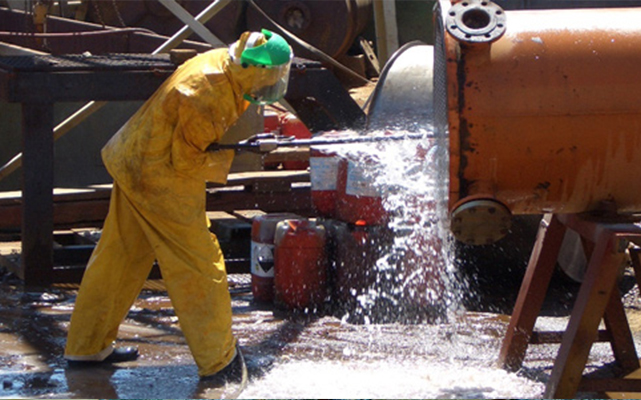
A critical safety note: Always wear impact-resistant gloves, face shield, and waterproof clothing. Water jets at 4,000 PSI can penetrate skin, causing hydraulic injection injuries. Additionally, never jet a line with open cleanouts without proper shielding to prevent backsplash.
For stubborn calcified blockages, soak the clog with a biodegradable descaler for 15 minutes, then jet at 3,500 PSI with a rotating nozzle. This method removes 95% of limescale in one pass, according to field tests.
5. Hydro Jetting Process: Physics-Driven Cleaning vs. Mechanical Methods
The hydro jetting process offers distinct advantages over cable machines, augers, and chemical cleaners. While a snake creates a temporary hole, water jetting restores the pipe's original flow coefficient (Hazen-Williams C factor) from as low as 60 (heavily tuberculated) back to 130-140 (smooth PVC-equivalent). Independent testing by a civil engineering laboratory measured that hydro jetting removes 0.5–2.0 mm of biofilm and scale, increasing effective diameter by 15-30% in aged pipes. In contrast, mechanical cleaning leaves a "bumpy" surface profile that accelerates future deposit adhesion by 200% due to increased surface roughness.
Additionally, the environmental footprint of sewer line cleaning equipment matters: hydro jetting uses only potable water without toxic chemicals, making it compliant with EPA stormwater regulations. Commercial facilities that switched from chemical cleaners to water jetting reduced hazardous waste disposal costs by an average of $1,200 annually per location. For municipalities, eliminating chemical usage protects downstream wastewater treatment plant biology, preserving microbial digestion efficiency.
Hydro Jetting
- Removes 99% of wall deposits
- No chemicals, eco-friendly
- Self-propelling, reaches 300+ feet
- Suitable for 1.5"-24" pipes
- Restores full flow capacity
Mechanical Snaking
- Removes 60-70% of debris
- Potential pipe scratching/damage
- Manual push, limited reach (50-100ft)
- Best for 1.5"-4" drains
- Leaves residual biofilm
6. Selecting the Right Drain Jetting Basics: Nozzle Types and Pressure Matching
Understanding drain jetting basics includes mastering nozzle selection, which determines cleaning effectiveness. The five standard nozzle categories include:
- Flusher Nozzle (0° forward, 30° rear): General cleaning of 2"-6" lines, best for loose debris and light grease.
- Penetrating Nozzle (15° forward, 30° rear): Breaks through compacted sand, mud, or ice blockages.
- Root Cutting Nozzle (0° forward with hardened steel teeth): Slices through roots up to 2 inches thick.
- Rotating Nozzle (360° spinning multi-jets): Removes heavy scale, paint, and tough buildup via abrasive action.
- Chain Flail Nozzle (swinging chains + jets): For thick grease, wax, or solidified fat in large-diameter pipes.
Pressure and flow matching is critical: a 2,500 PSI / 8 GPM machine requires a nozzle with total orifice area of approximately 0.015–0.020 square inches. Using oversized orifices drops pressure, reducing cutting power. Conversely, undersized orifices cause pump over-pressurization and premature wear. Manufacturers publish nozzle orifice charts – always consult these before operation. For residential 4-inch lines, a 2,500–3,000 PSI jetter with a 4-jet flusher nozzle achieves optimal results.
7. Real-World Performance Metrics and Maintenance ROI
Quantifiable benefits from adopting sewer line cleaning equipment based on water jetting are substantial. A 2023 facilities management survey of 200 industrial plants reported that switching from annual mechanical cleaning to quarterly hydro jetting reduced unplanned downtime due to drain backups by 82%. In monetary terms, each avoided hour of production downtime (average $5,000/hour in automotive manufacturing) justifies the jetter equipment cost within two uses. For commercial real estate, properties using hydro jetting for preventive maintenance command 7-12% higher rental rates due to reduced tenant complaints about plumbing issues.
From a municipal perspective, a mid-sized city (population 180,000) that replaced its snake-based cleaning program with a water jetting machine fleet documented a 64% reduction in sanitary sewer overflows over five years, avoiding an estimated $4.2 million in EPA fines and remediation costs. Additionally, the city’s jetting crew productivity increased by 150% – a single two-person crew now cleans 8,000 linear feet per shift versus 3,200 feet with cable machines. These metrics clearly demonstrate that what is a jetter ultimately translates to a strategic asset for asset management.
Frequently Asked Questions About Sewer Jetters
Q1: What is a sewer jetter and how is it different from a pressure washer?
A sewer jetter is a specialized water jetting machine designed for internal pipe cleaning, featuring low-flow (4-15 GPM), high-pressure (1,500-4,000 PSI) output with specialized nozzles. A pressure washer delivers high flow (2-4 GPM at 2,000-3,000 PSI) for surface cleaning and lacks the hose length, nozzle types, and self-propelling action needed for sewer lines.
Q2: Can a homeowner use a sewer jetter, or is it only for professionals?
Compact electric jetters (1,500 PSI / 1.5 GPM) with 50-foot hoses are available for residential DIY use on 1.5"-3" lines. However, for main sewer lines (4"+), professional-grade equipment is recommended due to higher pressure requirements and safety risks. Always camera-inspect before jetting to avoid damaging old clay or Orangeburg pipes.
Q3: How long does the hydro jetting process take for a typical residential sewer line?
A standard 50-foot, 4-inch residential sewer line cleaning takes 30-60 minutes from setup to post-inspection. Heavy grease or root intrusion may extend to 90 minutes. Preventive maintenance jets are faster: 20-30 minutes per 100 feet.
Q4: Will hydro jetting damage my pipes if done correctly?
No – when pressure is matched to pipe material (PVC max 2,500 PSI; cast iron/clay up to 4,000 PSI) and nozzles are properly selected, hydro jetting is safer than mechanical snakes, which can scratch, crack, or puncture pipes. Always confirm pipe condition via camera before jetting.
Q5: What is the ideal frequency for commercial sewer jetting?
Restaurant grease traps: every 30-60 days. Multi-family housing: quarterly. Industrial effluent lines: monthly or as required by discharge permits. Light commercial (offices): semi-annually. Regular jetting reduces emergency calls by over 80% based on industry data.
Q6: How to jet a sewer line without a cleanout access point?
Remove a toilet or sink trap to insert the jetter hose, or use a roof vent access for stack cleaning. Alternatively, a professional can install a new cleanout – a one-time investment that saves hours on future cleanings. Never jet through a 1.5" trap without a specialized compact nozzle.