 English
 Español
 عربى
عربى


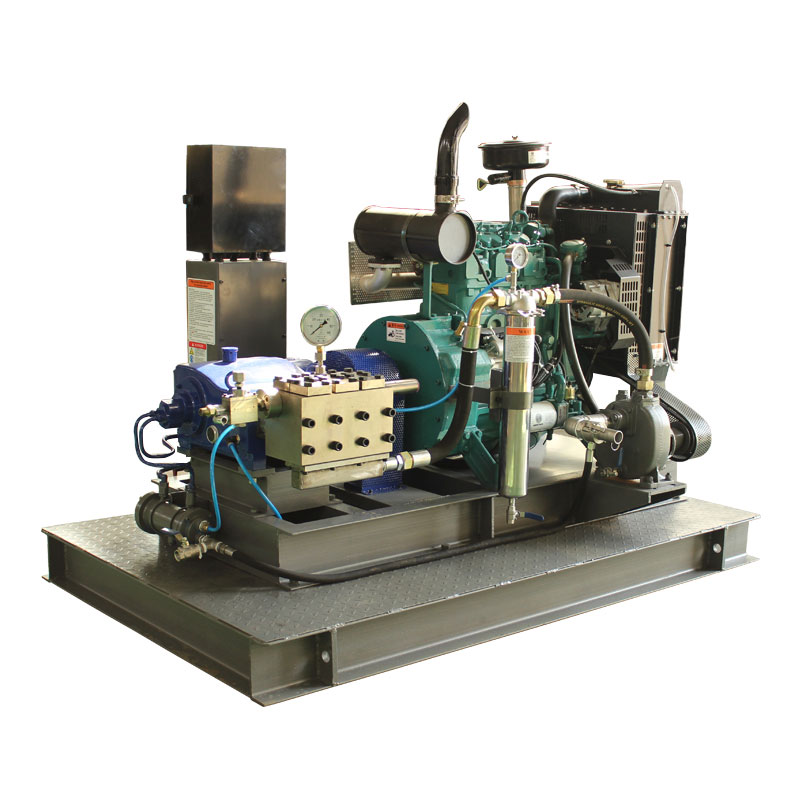
The high pressure ceramic plunger pump is widely used in industrial applications requiring precise fluid handling, including water jet cutting, chemical injection, and high-pressure cleaning systems. The reliability and longevity of such pumps are directly influenced by a consistent and well-structured maintenance schedule.
Importance of maintenance for high pressure ceramic plunger pumps
Maintenance of a high pressure ceramic plunger pump is essential because these pumps operate under extreme pressures, often exceeding 1000 bar in specialized applications. Failure to follow a systematic maintenance routine can lead to premature wear of pump components, reduced efficiency, and unexpected shutdowns. Maintenance not only extends the service life of the pump but also ensures safety, reduces operational costs, and maintains system reliability.
Key maintenance objectives include:
- Monitoring the condition of ceramic plungers and seals.
- Ensuring the proper functioning of high-pressure valves.
- Maintaining correct lubrication levels to prevent mechanical wear.
- Detecting early signs of cavitation, corrosion, or scaling.
Daily maintenance tasks
Daily inspections are the first line of defense against operational issues in high pressure ceramic plunger pumps. These tasks are designed to detect anomalies before they develop into serious problems. Operators should:
- Check for abnormal noises or vibrations during pump operation.
- Inspect inlet and discharge pressure to ensure they are within recommended ranges.
- Examine the pump and surrounding area for fluid leaks.
- Verify that lubricant levels in the crankcase or bearings are adequate.
- Ensure that the pump operates at the correct temperature and there is no overheating.
Table 1: Daily maintenance checklist for high pressure ceramic plunger pump
| Task | Action | Observation Criteria |
|---|---|---|
| Noise check | Listen during startup and operation | No unusual sounds such as knocking or rattling |
| Pressure check | Monitor inlet/discharge gauges | Values within manufacturer’s recommended range |
| Leak inspection | Visual inspection | No external fluid leaks |
| Lubrication | Check oil/grease levels | Levels within specified limits |
| Temperature | Monitor pump temperature | No excessive heat generation |
Daily maintenance ensures that the pump operates efficiently and reduces the likelihood of sudden failures.
Weekly maintenance tasks
Weekly maintenance activities focus on more detailed inspections that require temporary shutdowns or partial disassembly. These checks include:
- Valve inspection and cleaning to remove debris that could impair performance.
- Tightening of fasteners and connections to prevent vibration-related loosening.
- Verification of alignment between the motor and pump to minimize mechanical strain.
- Checking shaft seals and plunger surfaces for signs of wear or erosion.
- Inspecting piping and hoses connected to the pump for cracks or weaknesses.
Table 2: Weekly maintenance checklist for high pressure ceramic plunger pump
| Task | Action | Observation Criteria |
|---|---|---|
| Valve cleaning | Remove debris and deposits | Smooth operation without sticking |
| Fastener check | Tighten bolts and connections | No loosened fittings |
| Alignment verification | Use alignment tools | Motor and pump shafts properly aligned |
| Seal inspection | Visual check of shaft seals | No wear or leakage |
| Hose/piping check | Examine hoses and fittings | No cracks, deformation, or leaks |
Weekly maintenance reduces the accumulation of mechanical stress and ensures the pump operates close to its designed efficiency.
Monthly maintenance tasks
Monthly tasks involve more in-depth analysis of pump performance and the condition of critical components:
- Inspect ceramic plungers for surface cracks, wear, or scaling.
- Examine high-pressure valves and replace any that show signs of fatigue.
- Check pump bearings for smooth rotation and signs of lubrication failure.
- Inspect the crankcase oil for contamination or metal particles, which could indicate internal wear.
- Assess piping and suction filters for blockages that could reduce pump performance.
Monthly maintenance is essential for preventing unexpected downtime, particularly in industrial applications with continuous operation. Proper documentation of maintenance activities during this period also provides valuable data for predictive maintenance strategies.
Quarterly maintenance tasks
Every three months, more extensive inspections and preventive measures should be carried out:
- Complete plunger and valve overhaul, including replacement if necessary.
- Inspect pump head and cylinder block for wear, cracks, or corrosion.
- Verify pressure relief systems are functioning correctly.
- Conduct performance testing, measuring flow rate, discharge pressure, and efficiency.
- Review lubricant quality and replace oil or grease if necessary.
Quarterly maintenance is particularly critical for high-demand industrial operations, where pump failure can disrupt entire processes.
Annual maintenance tasks
Annual maintenance involves comprehensive disassembly and detailed inspection:
- Remove and examine all ceramic plungers, checking for micro-cracks or erosion.
- Replace all seals, O-rings, and gaskets to maintain pressure integrity.
- Inspect bearings, shafts, and crank mechanisms for wear or misalignment.
- Conduct a hydraulic performance test under full operational conditions.
- Document all maintenance activities, repairs, and component replacements for future reference.
Annual maintenance ensures the high pressure ceramic plunger pump remains reliable and safe for long-term operation.
Best practices for maintenance scheduling
A structured maintenance schedule should be complemented by best practices to maximize pump performance:
- Keep maintenance logs to track all inspections, repairs, and replacements.
- Train operators on the proper handling of high-pressure systems.
- Use genuine replacement parts and lubricants compatible with the pump materials.
- Monitor operational conditions such as fluid temperature, pressure, and contamination.
- Apply preventive maintenance rather than reactive maintenance to reduce costs.
These practices ensure that maintenance is proactive, minimizing the risk of unexpected failures and extending the operational lifespan of the pump.
Common issues identified during maintenance
Regular maintenance can identify potential issues before they escalate:
- Plunger wear or cracks that reduce pump efficiency.
- Valve sticking or fatigue that affects flow control.
- Seal leakage causing pressure drops and fluid loss.
- Bearing failure due to inadequate lubrication.
- Cavitation damage caused by improper suction or fluid properties.
Early detection of these problems through a well-defined maintenance schedule significantly improves the reliability of high-pressure pumping systems.
Predictive maintenance strategies
Modern maintenance approaches for high pressure ceramic plunger pumps increasingly rely on predictive maintenance techniques:
- Vibration analysis to detect misalignment or bearing degradation.
- Oil analysis to identify metal particles and potential wear.
- Pressure and flow monitoring to detect deviations from standard performance.
- Thermal imaging to identify hotspots or abnormal heating.
By combining predictive tools with routine maintenance, operators can optimize pump life and reduce operational interruptions.
Table summarizing maintenance intervals
Table 3: Maintenance intervals for high pressure ceramic plunger pump
| Interval | Key Tasks |
|---|---|
| Daily | Noise check, pressure monitoring, leak inspection, lubrication, temperature check |
| Weekly | Valve cleaning, fastener tightening, alignment verification, seal inspection, hose/piping check |
| Monthly | Plunger and valve inspection, bearing check, crankcase oil check, filter inspection |
| Quarterly | Plunger/valve overhaul, pump head inspection, pressure relief check, performance testing, lubricant replacement |
| Annually | Full disassembly, seal replacement, bearing and shaft inspection, hydraulic performance test, documentation |
This table provides a clear overview to help operators plan and implement maintenance activities efficiently.
Conclusion
Implementing a structured maintenance schedule for a high pressure ceramic plunger pump is essential for ensuring reliable operation, optimal performance, and longevity. Daily, weekly, monthly, quarterly, and annual maintenance tasks collectively address mechanical wear, fluid contamination, and operational anomalies. By adhering to recommended schedules and best practices, industrial operators can prevent costly downtime and maintain high efficiency in demanding applications.
FAQ
Q1: How often should the ceramic plungers be inspected?
Ceramic plungers should be inspected monthly for wear, scaling, or micro-cracks, and annually for a comprehensive evaluation during full disassembly.
Q2: Can predictive maintenance replace routine inspections?
Predictive maintenance complements rather than replaces routine inspections, helping to identify early signs of wear and optimize maintenance timing.
Q3: What signs indicate a pump is overdue for maintenance?
Indicators include abnormal noise, pressure fluctuations, fluid leaks, vibration, overheating, or reduced flow efficiency.
Q4: Is lubrication critical for high pressure ceramic plunger pumps?
Yes, proper lubrication prevents bearing failure, reduces mechanical wear, and ensures smooth pump operation.
Q5: How important is record-keeping for maintenance activities?
Accurate documentation helps track pump performance, plan preventive measures, and supports warranty or service claims.
References
- Pump Handbook, Third Edition, Igor J. Karassik et al., McGraw-Hill, 2008.
- High Pressure Pump Maintenance Guidelines, International Pump Association, 2021.
- Fluid Handling Equipment Manual, American Society of Mechanical Engineers, 2019.