 English
 Español
 عربى
عربى


Internal cleaning of heat exchangers is an essential maintenance process aimed at restoring the efficiency and longevity of heat transfer equipment. Scale buildup and rust formation are two of the most common fouling issues that significantly affect heat exchanger performance. Understanding whether internal cleaning can remove these deposits completely requires a detailed examination of cleaning techniques, fouling characteristics, and operational factors.
Understanding Scale And Rust Formation
Scale generally forms as a result of mineral deposition from hard water or process fluids containing high concentrations of calcium, magnesium, or silica. Over time, these deposits adhere to the internal surfaces of heat exchangers, reducing thermal conductivity and obstructing fluid flow. Rust, on the other hand, is the result of oxidation, typically occurring in carbon steel or iron-based heat exchangers exposed to oxygen and moisture. Rust can weaken metal surfaces and contribute to further fouling.
The formation of scale and rust is influenced by several operational factors:
- Water quality and chemical composition.
- Fluid velocity and flow patterns.
- Operating temperature and pressure conditions.
- Maintenance and previous cleaning schedules.
Table 1 provides a summary of the characteristics of scale and rust commonly encountered in heat exchangers:
| Fouling Type | Composition | Common Causes | Impact on Performance |
|---|---|---|---|
| Scale | Calcium carbonate, magnesium compounds, silica | Hard water, high temperature, evaporation | Reduced heat transfer, increased pressure drop |
| Rust | Iron oxide | Oxidation of steel surfaces, moisture exposure | Metal degradation, increased friction, possible leakage |
Methods Used In Internal Cleaning Of Heat Exchangers
Internal cleaning of heat exchangers can be classified into mechanical, chemical, and hybrid approaches. The choice of method depends on the type and severity of fouling, heat exchanger design, and operational requirements.
Mechanical Cleaning
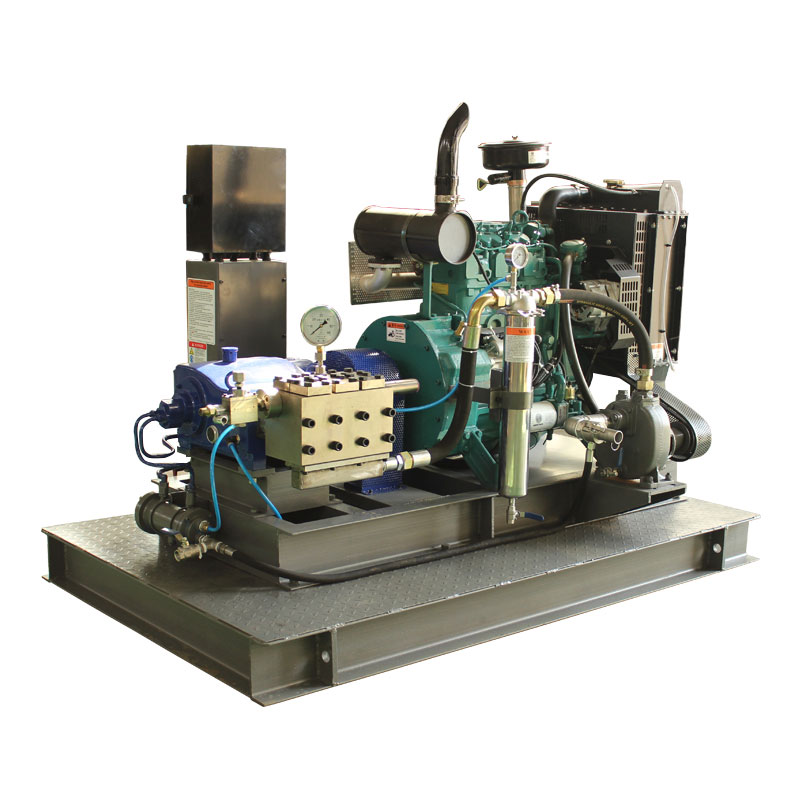
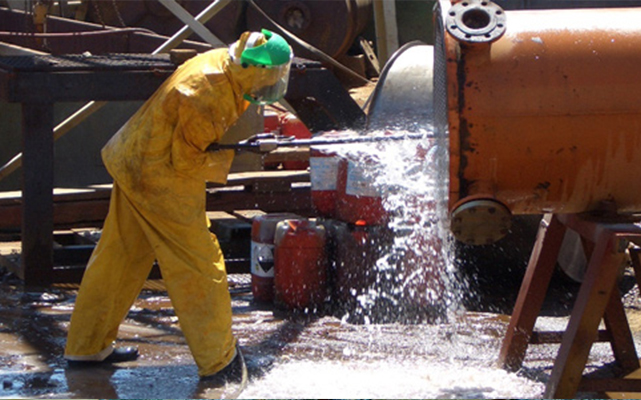
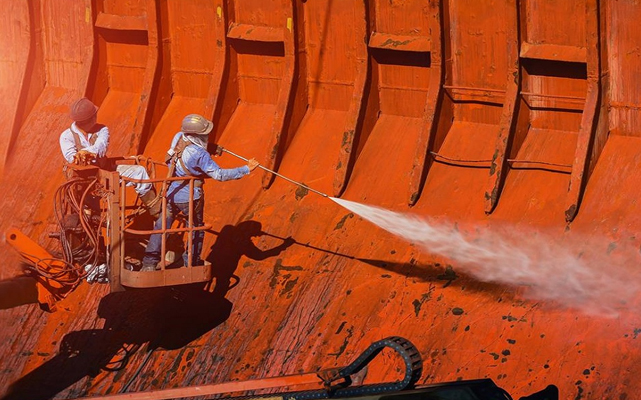
Mechanical cleaning involves the physical removal of deposits using brushes, scrapers, or high-pressure water jets. Mechanical methods are effective for loose scale or rust flakes and can restore flow channels. However, they may be limited in reaching all internal surfaces, especially in complex or narrow tube designs.
Chemical Cleaning
Chemical cleaning utilizes descaling agents, rust removers, and inhibitors to dissolve or loosen deposits. This method can penetrate areas inaccessible to mechanical tools, effectively removing adherent scale and rust. Chemicals must be selected carefully to avoid corrosion or damage to the heat exchanger material.
Hybrid Methods
Hybrid cleaning combines mechanical and chemical approaches to maximize cleaning efficiency. For instance, pre-soaking in a chemical solution followed by mechanical brushing can remove stubborn deposits more effectively than either method alone.
Table 2 compares common internal cleaning methods and their effectiveness against scale and rust:
| Cleaning Method | Effectiveness for Scale | Effectiveness for Rust | Advantages | Limitations |
|---|---|---|---|---|
| Mechanical | Moderate to high (surface deposits) | Low (oxidized metal) | No chemical usage, immediate results | Limited reach, potential surface damage |
| Chemical | High (dissolves minerals) | High (removes rust chemically) | Can reach inaccessible areas, minimal physical damage | Requires chemical handling, disposal considerations |
| Hybrid | Very high | High | Combines advantages of both methods | Higher cost, requires careful planning |
Limitations In Completely Removing Scale And Rust
Although internal cleaning can significantly reduce fouling, complete removal of scale and rust is not always guaranteed. Several factors contribute to this limitation:
- Fouling adhesion strength: Older, dense, or chemically bonded deposits may resist chemical or mechanical cleaning.
- Heat exchanger design complexity: Tight bends, narrow tubes, and baffles may prevent full access to deposits.
- Material degradation: Over time, rust can penetrate metal surfaces, making total removal impossible without material replacement.
- Operational constraints: Some cleaning processes may require system shutdowns or cannot tolerate high temperatures and pressures, limiting cleaning thoroughness.
Understanding these constraints is essential for setting realistic expectations and planning routine maintenance.
Impact Of Internal Cleaning On Performance
Regular internal cleaning contributes to improved heat transfer efficiency, reduced pressure drop, and extended equipment life. It also prevents the formation of microbial growth in fouled areas. While internal cleaning may not always remove all scale or rust completely, it significantly improves system performance and reduces energy consumption.
Key performance improvements include:
- Restoration of flow capacity.
- Reduction of localized corrosion risks.
- Prevention of secondary fouling.
Best Practices For Effective Internal Cleaning
To optimize the results of internal cleaning of heat exchangers, consider the following best practices:
- Assessment of fouling type: Identify whether deposits are predominantly scale, rust, or a combination.
- Selection of appropriate cleaning method: Choose mechanical, chemical, or hybrid techniques based on fouling severity and heat exchanger material.
- Controlled chemical use: Avoid over-concentration or prolonged exposure to prevent material damage.
- Regular monitoring and inspection: Implement scheduled inspections to detect early signs of fouling.
- Documentation of cleaning procedures: Maintain records to optimize future maintenance and track cleaning effectiveness.
Industry Considerations For Buyers
For procurement professionals and industry operators, Internal cleaning of heat exchangers is often evaluated in terms of:
- Cleaning efficiency and expected downtime.
- Compatibility with various industrial fluids.
- Safety measures and environmental compliance for chemical disposal.
- Cost-effectiveness over the equipment lifecycle.
- Ability to handle different heat exchanger designs, including shell and tube, plate, and spiral types.
A clear understanding of these factors can guide decision-making when contracting internal cleaning services or investing in in-house maintenance capabilities.
Technological Advances
Recent developments in internal cleaning include:
- Robotic cleaning devices capable of navigating complex tube arrangements.
- Eco-friendly chemical solutions that reduce environmental impact while maintaining cleaning efficiency.
- Predictive maintenance tools that use sensors to monitor fouling levels and schedule cleaning proactively.
These innovations increase the likelihood of removing stubborn deposits but still face the inherent limitations described earlier.
Conclusion
Internal cleaning of heat exchangers is a vital maintenance practice that addresses scale and rust accumulation. While complete removal of deposits may not always be achievable due to adhesion strength, material degradation, and design complexity, proper cleaning can significantly restore efficiency, reduce pressure drop, and prolong equipment life. By combining mechanical and chemical methods, following best practices, and leveraging technological innovations, operators can optimize the effectiveness of internal cleaning.
Frequently Asked Questions (FAQ)
Q1: Can all types of heat exchangers be cleaned internally?
A1: Most heat exchangers can undergo internal cleaning, but complex designs may require specialized techniques or equipment to reach all areas.
Q2: How often should internal cleaning of heat exchangers be performed?
A2: Cleaning frequency depends on operating conditions, water quality, and fluid composition. Regular inspections are recommended to determine the optimal schedule.
Q3: Are chemical cleaning agents safe for all materials?
A3: Not all chemicals are compatible with every heat exchanger material. Material-specific selection is crucial to prevent corrosion or damage.
Q4: Can internal cleaning prevent rust from forming again?
A4: While cleaning removes existing rust, preventive measures such as corrosion inhibitors and proper fluid treatment are necessary to minimize recurrence.
Q5: Is it possible to automate internal cleaning processes?
A5: Robotic and automated cleaning systems exist for certain heat exchanger types, improving efficiency and reducing human exposure to chemicals.
References
- Kern, D. Q. (2012). Process Heat Transfer. McGraw-Hill Education.
- Stoecker, W. F., & Jones, J. W. (1982). Refrigeration and Air Conditioning. McGraw-Hill.
- Coulson, J. M., Richardson, J. F., et al. (1999). Chemical Engineering. Butterworth-Heinemann.