 English
 Español
 عربى
عربى


Understanding High Pressure Water Jet Pump Technology
A high pressure water jet pump represents one of the most versatile and powerful tools in modern industrial cleaning and surface preparation. These specialized pumps generate water pressures ranging from 500 bar to over 3000 bar, converting ordinary water into a precision cleaning or cutting tool capable of removing stubborn contaminants, coatings, and even hard materials.
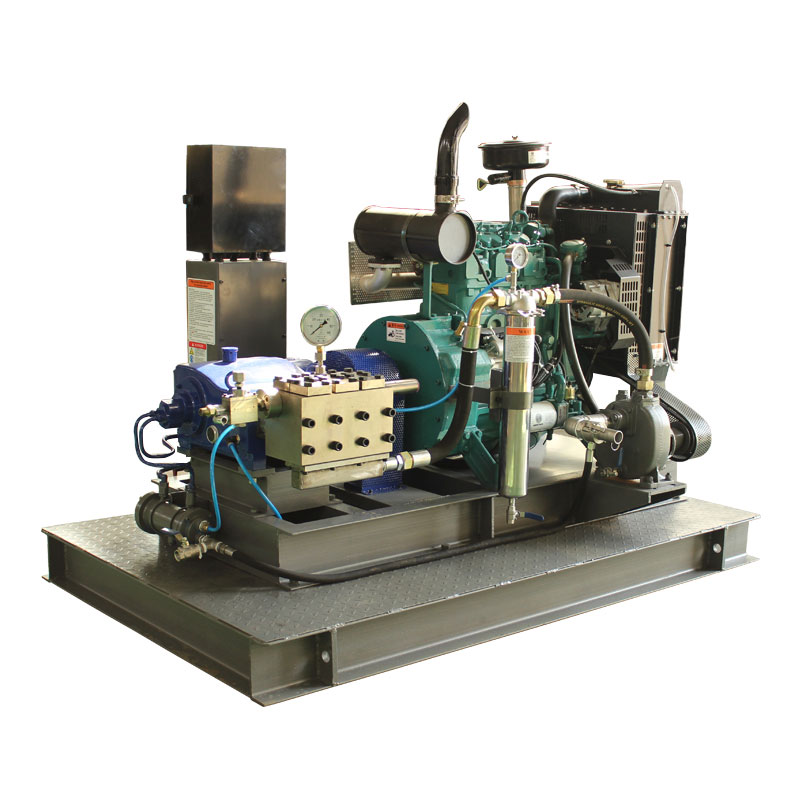
The fundamental principle behind high pressure water jet pump technology involves mechanical energy conversion. Electric motors or diesel engines drive a plunger or piston mechanism that pressurizes water through a series of intensification stages. Unlike conventional centrifugal pumps that rely on rotational force, positive displacement pumps used in high pressure applications deliver consistent pressure regardless of flow variations, making them ideal for demanding industrial environments.
Modern high pressure water jet pump systems incorporate advanced materials science to withstand extreme operating conditions. Pump heads typically feature solid ceramic plungers, stainless steel valve assemblies, and specialized seals manufactured from high-performance polymers. These components must endure continuous cycling at pressures that would instantly damage conventional pumping equipment, with some industrial units operating continuously for 8,000 to 12,000 hours between major overhauls.
Core Components and Working Mechanism
Plunger Pump Design Architecture
The heart of any high pressure water jet pump system lies in its plunger pump configuration. Triplex plunger arrangements dominate the market, featuring three plungers operating in synchronized phases to deliver pulsation-free flow. Each plunger typically measures between 25mm and 100mm in diameter, with stroke lengths varying from 50mm to 150mm depending on required flow rates. This design ensures that while one plunger is in the suction phase, another is pressurizing, and the third is delivering, creating continuous output.
Crankshaft-driven mechanisms convert rotational motion into reciprocating plunger movement through precision-engineered connecting rods and crossheads. The crankshaft operates at speeds between 300 RPM and 600 RPM, balancing wear characteristics against output requirements. Slower rotational speeds generally extend seal life and reduce maintenance intervals, while higher speeds increase productivity for time-sensitive applications.
Pressure Intensification Systems
For applications requiring pressures exceeding 1500 bar, intensifier pumps provide the necessary force multiplication. These systems utilize hydraulic oil to drive a large-area piston, which in turn actuates a smaller water piston. The area ratio between the two pistons determines the pressure multiplication factor, with typical intensification ratios ranging from 10:1 to 40:1. A 200 bar hydraulic input can therefore generate 2000 to 8000 bar water output, enabling ultra-high pressure cutting operations.
Intensifier systems operate at lower cycling frequencies compared to direct-drive plunger pumps, typically 20 to 60 cycles per minute. This reduced frequency minimizes fatigue stress on high-pressure components while maintaining substantial flow rates through large-bore intensifier cylinders. Advanced systems incorporate accumulator vessels to dampen pressure fluctuations and ensure consistent jet characteristics during cutting or cleaning operations.
Industrial Applications and Performance Parameters
Surface Preparation and Coating Removal
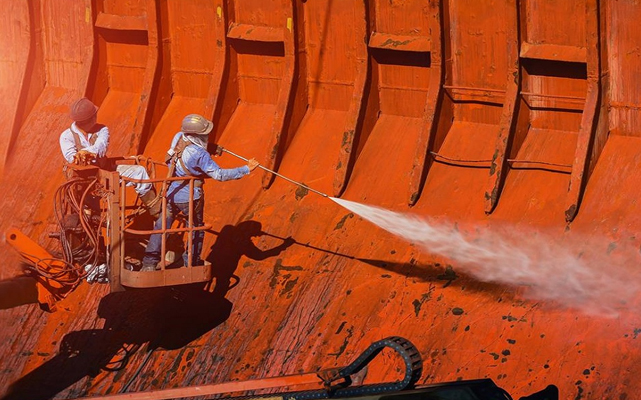
High pressure water jet pump systems have revolutionized surface preparation across multiple industries. In marine applications, these pumps remove anti-fouling coatings from ship hulls at rates reaching 50 to 80 square meters per hour, depending on coating thickness and pump specifications. The water-only blasting process eliminates airborne dust hazards associated with abrasive blasting while achieving surface cleanliness standards comparable to SA 2.5.
Industrial tank cleaning represents another critical application sector. Storage tanks containing crude oil, chemicals, or food products require periodic internal cleaning to maintain product integrity and regulatory compliance. High pressure water jet pump units mounted on automated positioning systems can clean tank interiors without human entry, reducing confined space risks while achieving cleaning efficiencies of 95% or higher in terms of residue removal.
Hydrodemolition and Concrete Cutting
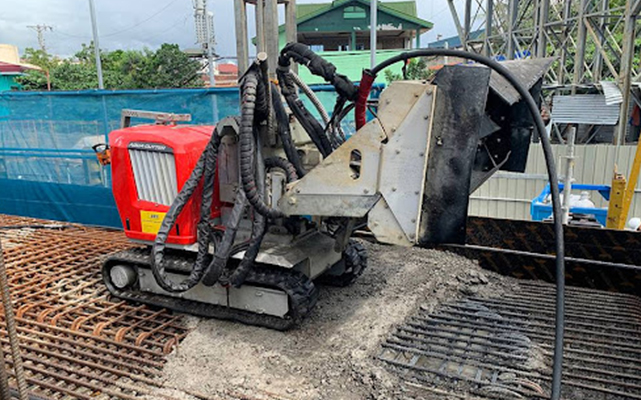
Concrete removal using high pressure water jet pump technology, known as hydrodemolition, offers selective material removal without damaging sound concrete or embedded reinforcement. Operating pressures between 1000 bar and 2500 bar effectively break down concrete matrix while leaving steel reinforcement intact. Removal rates vary from 0.5 to 3 cubic meters per hour depending on concrete strength and reinforcement density.
The precision of hydrodemolition enables targeted repair of bridge decks, parking structures, and marine installations. Unlike mechanical breaking methods that create microfractures extending 50mm to 100mm beyond the removal zone, water jet cutting produces clean interfaces that promote superior bond strength for repair materials. This characteristic makes high pressure water jet pump systems essential for infrastructure rehabilitation projects requiring long-term durability.
Heat Exchanger and Tube Cleaning
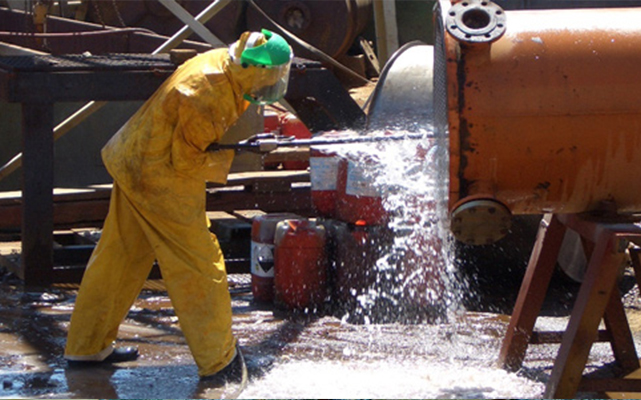
Process industries rely on high pressure water jet pump equipment to maintain heat exchanger efficiency by removing fouling deposits from tube bundles. Lancing systems insert rotating nozzles into individual tubes, delivering focused water jets at pressures up to 1500 bar to dislodge scale, biological growth, and process residues. A typical shell-and-tube heat exchanger containing 500 tubes can be cleaned in 4 to 6 hours using automated lancing equipment.
The economic impact of regular heat exchanger cleaning is substantial. Fouling can reduce heat transfer efficiency by 30% to 50%, significantly increasing energy consumption and reducing process throughput. High pressure water jet pump maintenance programs restore design thermal performance while extending equipment service life by preventing corrosion under deposits and stress corrosion cracking associated with accumulated fouling layers.
Selection Criteria and System Specifications
Pressure and Flow Rate Relationships
Selecting an appropriate high pressure water jet pump requires careful analysis of pressure and flow rate requirements for specific applications. Industrial cleaning operations typically utilize pressures between 500 bar and 1500 bar with flow rates of 15 to 50 liters per minute. Higher flow rates improve productivity for large surface areas, while elevated pressures enhance cutting capability for hardened deposits or material removal.
Power consumption follows the relationship P = (Pressure × Flow) / (600 × Efficiency), where pressure is in bar, flow in liters per minute, and efficiency typically ranges from 0.85 to 0.92 for modern plunger pumps. A system operating at 1000 bar and 30 liters per minute requires approximately 55 to 60 kilowatts of input power, excluding motor and transmission losses. Diesel-powered units for mobile applications typically range from 75 to 250 horsepower depending on output requirements.
Material Compatibility Considerations
Pump material selection significantly impacts service life and maintenance costs in different operating environments. Standard configurations feature brass or bronze valve bodies with 304 stainless steel plungers for general industrial water applications. For seawater or corrosive chemical environments, duplex stainless steel or super duplex alloys provide superior corrosion resistance, though at increased capital cost.
Seal materials must match both the pumped medium and operating temperature range. Nitrile rubber seals suit ambient temperature water applications with operating ranges up to 80°C. For hot water or chemical service, Viton (FKM) or PTFE-based seals extend temperature capabilities to 150°C while resisting chemical degradation. Advanced ceramic coatings on plungers reduce friction coefficients and extend seal life by 200% to 300% compared to uncoated surfaces.
Operational Best Practices and Safety Protocols
Pre-Operational Inspection Procedures
Comprehensive pre-start inspections ensure safe and efficient high pressure water jet pump operation. Daily checks should include oil level verification, belt tension assessment, and leak detection around high-pressure fittings. The pump crankcase typically requires ISO VG 68 or VG 100 mineral oil, with change intervals of 500 operating hours or 6 months, whichever occurs first. Oil analysis programs can extend drain intervals while providing early warning of internal wear.
Water quality significantly affects pump longevity and performance. Inlet water should be filtered to 50 microns or finer to prevent abrasive wear of sealing surfaces. Water hardness exceeding 300 ppm calcium carbonate equivalent necessitates water softening or the use of scale inhibitors to prevent mineral deposition in high-temperature pump head areas. Regular monitoring of inlet pressure ensures cavitation-free operation, with minimum inlet pressures typically specified at 1.5 to 2.0 bar above vapor pressure.
High Pressure Safety Systems
Water jets operating above 500 bar possess sufficient energy to penetrate human skin and cause severe injury. Modern high pressure water jet pump installations incorporate multiple safety layers including unloader valves that divert flow to bypass when the trigger is released, preventing pressure buildup in static conditions. Pressure relief valves provide ultimate protection against over-pressurization, typically set at 110% to 115% of maximum operating pressure.
Personal protective equipment requirements escalate with operating pressure. Applications above 1000 bar mandate full body protection including armored suits, face shields, and steel-toed boots. Safety interlocks prevent pump startup unless all guards are in position and emergency stop circuits are armed. Remote monitoring systems enable operators to control pump functions from safe distances when working in hazardous environments such as tank interiors or elevated platforms.
Maintenance Strategies and Troubleshooting
Preventive Maintenance Schedules
Implementing structured maintenance programs maximizes high pressure water jet pump availability and minimizes lifecycle costs. Weekly maintenance includes inspection of high-pressure hoses for abrasion or kinking, verification of safety valve function, and cleaning of water filters. Monthly procedures encompass valve seat inspection, seal leakage assessment, and alignment checks for belt-driven units.
Major overhaul intervals depend on operating severity but typically occur every 2,000 to 4,000 hours for continuous-duty industrial pumps. Overhaul procedures include replacement of all seals and valves, inspection of plunger surfaces for scoring or erosion, crankshaft bearing replacement, and pressure testing of all high-pressure components to 1.5 times maximum working pressure. Rebuilt pumps should undergo 4-hour test runs at rated conditions before return to service.
Common Performance Issues
Pressure instability often indicates valve wear or improper seating in the pump head. Symptoms include pressure gauge needle fluctuation exceeding ±5% of set pressure and audible knocking during operation. Valve replacement typically restores stable performance, though seat lapping may be required for damage extending into the valve body. Plunger scoring causes gradual pressure loss and increased seal consumption, requiring replacement when surface roughness exceeds 0.8 micrometers Ra.
Overheating problems usually stem from insufficient water supply, excessive bypass operation, or lubrication deficiencies. Pump head temperatures should not exceed 70°C during normal operation, with sustained higher temperatures accelerating seal degradation and potentially causing thermal seizure of plungers. Installing temperature monitoring sensors with automatic shutdown capability prevents catastrophic damage from cooling system failures or inlet blockages.
Emerging Technologies and Industry Trends
Automation and Robotics Integration
The integration of high pressure water jet pump systems with robotic positioning technology transforms manual cleaning operations into precision automated processes. Six-axis robotic arms equipped with water jet lances achieve positioning accuracy of ±0.1mm, enabling consistent surface preparation across complex geometries. Automated systems operate continuously without fatigue-related quality variations, achieving productivity improvements of 40% to 60% compared to manual methods.
Advanced control systems incorporate real-time pressure and flow monitoring with adaptive nozzle positioning. Machine vision systems identify surface contamination levels and adjust cleaning parameters accordingly, optimizing water consumption and cycle times. Remote operation capabilities enable centralized control of multiple cleaning stations, with operators monitoring operations through high-definition video feeds and sensor data displayed on human-machine interfaces.
Sustainability and Water Conservation
Environmental considerations drive development of closed-loop high pressure water jet pump systems that filter and recirculate process water. Advanced filtration utilizing centrifugal separation, media filtration, and membrane technologies enables 85% to 95% water recovery rates in continuous operations. Recovered water quality meets reuse standards with suspended solids below 50 ppm and oil content under 15 ppm.
Energy efficiency improvements in pump design reduce environmental impact while lowering operating costs. Variable frequency drive (VFD) control of pump motors matches power consumption to actual demand, reducing energy use by 20% to 35% compared to constant-speed operation. High-efficiency plunger designs and optimized fluid passages minimize hydraulic losses, with modern pumps achieving overall efficiencies exceeding 90% across their operating range.
Frequently Asked Questions
Q1: What pressure range is suitable for industrial surface cleaning applications?
Industrial surface cleaning typically requires pressures between 500 bar and 1500 bar. Light duty cleaning such as vehicle washing operates effectively at 150-250 bar, while heavy rust and coating removal demands 1000-1500 bar. The specific pressure depends on contaminant type, substrate material, and required surface profile.
Q2: How long do high pressure seals typically last in continuous operation?
Seal life varies with operating pressure, water quality, and maintenance practices. Under optimal conditions with filtered water and proper lubrication, high pressure seals last 500 to 1000 operating hours. Harsh environments or contaminated water may reduce seal life to 200-300 hours. Ceramic-coated plungers extend seal life by reducing friction and surface wear.
Q3: Can high pressure water jet pumps handle abrasive media injection?
Standard high pressure water jet pumps are designed for water-only operation. Abrasive injection requires specialized pumps with hardened fluid ends and modified sealing systems. Abrasive water jet cutting systems typically operate at 3000-4000 bar with garnet or similar abrasives entrained in the high pressure stream downstream of the pump.
Q4: What maintenance is required for diesel-powered mobile pump units?
Diesel-powered units require engine maintenance following manufacturer schedules, typically oil and filter changes every 250-500 operating hours. Pump maintenance parallels stationary units with additional attention to fuel system cleanliness and cooling system integrity. Winterization procedures prevent freeze damage when operating in cold climates.
Q5: How does water temperature affect pump performance and longevity?
Inlet water temperature significantly impacts pump operation. Cold water below 10°C increases viscosity and may require longer warm-up periods. Hot water above 50°C reduces seal life and may cause vapor pressure issues leading to cavitation. Optimal inlet temperature ranges from 15°C to 35°C for standard seal materials, with specialized seals available for high temperature applications up to 90°C.
Q6: What safety certifications should industrial high pressure pump systems carry?
Industrial high pressure pump systems should comply with machinery directives including CE marking for European markets or equivalent regional certifications. Pressure vessels and accumulators require ASME or PED certification. Electrical components must meet IEC standards with appropriate ingress protection ratings for the operating environment.