 English
 Español
 عربى
عربى


Understanding Diesel High Pressure Water Pump Technology
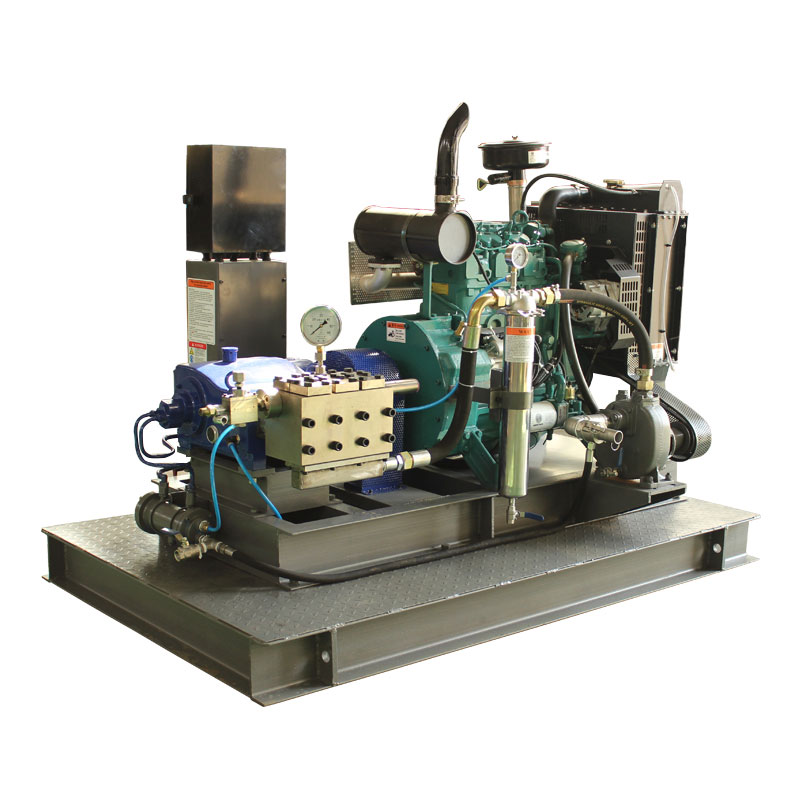
A diesel high pressure water pump represents a critical piece of equipment in industrial cleaning operations, combining the reliability of diesel engines with the powerful water pressure generation capabilities needed for demanding applications. These pumps typically operate at pressure ranges between 150 to 500 bar, with flow rates varying from 15 to 200 liters per minute depending on the specific model and intended use case.
The fundamental working principle involves a diesel engine driving a high-pressure plunger or piston pump through a direct coupling or belt transmission system. As the engine runs, it converts mechanical energy into hydraulic energy, pressurizing water to levels capable of removing stubborn contaminants, paint, rust, and heavy deposits from various surfaces. The diesel power source offers distinct advantages in remote locations where electrical infrastructure may be unavailable or unreliable.
Key Technical Specifications and Performance Metrics
When evaluating diesel high pressure water pumps for industrial applications, several technical parameters determine operational effectiveness. Understanding these specifications ensures proper equipment selection for specific cleaning tasks.
Pressure Ratings and Cleaning Efficiency
Pressure output represents the most critical specification for high-pressure cleaning equipment. Industrial diesel pumps commonly deliver pressures ranging from 200 bar for light commercial cleaning up to 700 bar for heavy-duty surface preparation. Higher pressure ratings correlate directly with cleaning speed and contaminant removal capability, with 300-400 bar ranges suitable for most industrial maintenance applications.
Flow Rate Considerations
Flow rate, measured in liters per minute (L/min), determines how quickly a cleaning job can be completed. Higher flow rates enable faster surface coverage but require more powerful engines and greater fuel consumption. Typical industrial diesel pumps offer flow rates between 20 L/min and 150 L/min. For large-scale cleaning projects such as ship hull maintenance or storage tank cleaning, pumps delivering 80-120 L/min provide optimal productivity.
Engine Power Requirements
Diesel engines powering these pumps range from 15 horsepower for compact units to over 200 horsepower for industrial-grade systems. The power-to-performance ratio follows a direct relationship: higher pressure and flow combinations demand more substantial engine capacity. Most mid-range industrial applications utilize engines between 50 and 100 horsepower, balancing performance with fuel efficiency.
| Application Type | Pressure Range (bar) | Flow Rate (L/min) | Engine Power (HP) |
| Light Industrial Cleaning | 150-250 | 20-40 | 15-30 |
| General Maintenance | 250-400 | 40-80 | 30-60 |
| Heavy Surface Preparation | 400-700 | 80-150 | 60-150 |
| Ultra-High Pressure Cutting | 700+ | 15-50 | 100-200 |
Primary Applications Across Industries
Diesel high pressure water pumps serve diverse industrial sectors, each presenting unique cleaning challenges and operational requirements. The versatility of these systems makes them indispensable tools for maintaining equipment, infrastructure, and facilities.
Oil and Gas Industry Applications
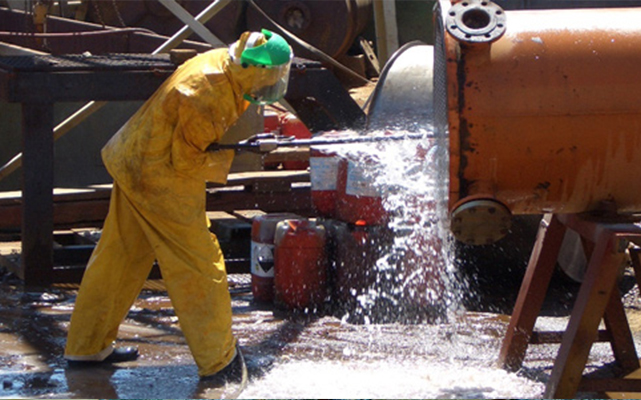
In oil and gas facilities, these pumps handle critical maintenance tasks including heat exchanger cleaning, pipeline descaling, and tank cleaning operations. The ability to generate pressures exceeding 400 bar enables effective removal of hydrocarbon deposits, wax buildup, and corrosion products from processing equipment. Regular high-pressure cleaning extends equipment lifespan by 30-40% while maintaining optimal thermal transfer efficiency in heat exchange systems.
Marine and Ship Maintenance
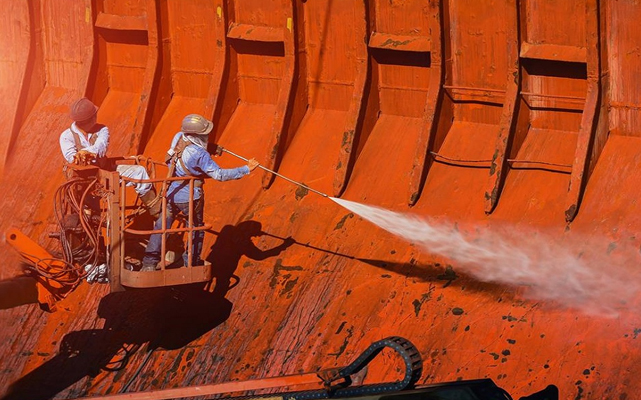
Ship hull cleaning represents one of the most demanding applications for diesel-powered high-pressure systems. Marine growth accumulation reduces vessel fuel efficiency by up to 40% when left untreated. High-pressure water jets operating at 250-350 bar effectively remove barnacles, algae, and marine deposits without damaging protective coatings. The portability of diesel units allows dockside and dry-dock operations where electrical power access remains limited.
Construction and Infrastructure Projects
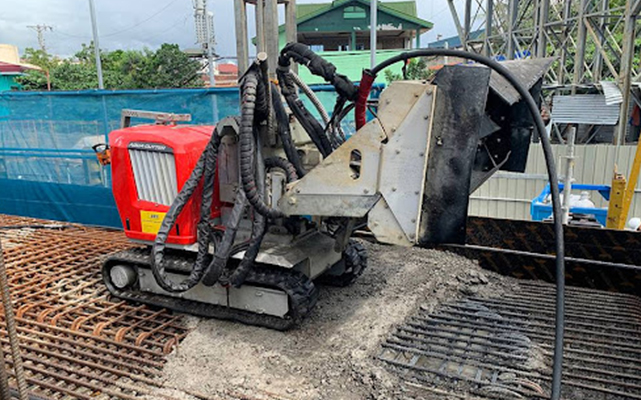
Construction sites utilize diesel high pressure water pumps for concrete surface preparation, formwork cleaning, and equipment maintenance. Hydrodemolition applications require pressures between 1000-2500 bar for selective concrete removal, though these specialized applications use dedicated ultra-high-pressure systems. For standard construction cleaning, 200-400 bar pumps handle formwork cleaning, rebar preparation, and general site maintenance effectively.
Manufacturing and Industrial Facilities
Manufacturing plants deploy these pumps for production line cleaning, machinery degreasing, and facility maintenance. Food processing facilities benefit from hot water diesel pumps capable of sanitizing production areas while meeting hygiene standards. Pressure washing at 150-250 bar removes grease, oil, and production residues from factory floors, walls, and equipment surfaces, maintaining workplace safety and regulatory compliance.
Advantages of Diesel-Powered Systems
Selecting diesel as the power source for high-pressure water pumps offers specific operational benefits that electric or gasoline alternatives cannot match in certain scenarios.
Operational Independence and Mobility
Diesel pumps operate independently of electrical infrastructure, enabling deployment in remote locations, construction sites, and emergency response situations. This autonomy proves particularly valuable for offshore platforms, mining operations, and rural infrastructure projects. A standard diesel pump can operate continuously for 8-12 hours on a single fuel tank, providing sustained cleaning capability without power interruption concerns.
Fuel Efficiency and Operating Economics
Modern diesel engines achieve fuel consumption rates of 5-8 liters per hour for mid-range pumps, translating to lower operating costs compared to gasoline equivalents. Diesel fuel contains approximately 15% more energy per liter than gasoline, providing extended runtime and reduced refueling frequency during extended cleaning operations. Over a typical 2000-hour annual operation cycle, diesel-powered units demonstrate 20-25% lower fuel costs than comparable gasoline systems.
Durability and Service Life
Diesel engines designed for industrial applications typically achieve service lives of 10,000 to 15,000 operating hours with proper maintenance. The robust construction of diesel powerplants withstands harsh environmental conditions including dust, temperature extremes, and continuous operation cycles. High-pressure pump components manufactured from stainless steel, ceramic-coated plungers, and brass valve assemblies complement diesel engine longevity, creating systems with 15-20 year operational lifespans.
High Torque Characteristics
Diesel engines generate maximum torque at lower RPM ranges compared to gasoline engines, providing consistent power delivery to high-pressure pumps under varying load conditions. This torque characteristic ensures stable pressure output when pump demand fluctuates due to nozzle changes or system restrictions. The steady power curve prevents pressure spikes that could damage pump components or compromise cleaning quality.
Essential Selection Criteria for Industrial Buyers
Choosing the appropriate diesel high pressure water pump requires systematic evaluation of operational requirements, environmental conditions, and long-term ownership costs.
Matching Specifications to Application Requirements
Begin selection by defining the primary cleaning tasks and their technical requirements. Consider the types of contaminants to be removed, surface materials being cleaned, and required cleaning speed. Heavy industrial deposits such as cured concrete or thick rust layers require pressures above 350 bar, while general maintenance cleaning operates effectively at 200-300 bar. Over-specifying pressure ratings increases equipment costs and fuel consumption unnecessarily, while under-specifying reduces cleaning effectiveness and extends project timelines.
Evaluating Pump Configuration Options
Diesel high pressure pumps are available in several configurations:
- Skid-mounted units offer compact footprints for fixed installations or transport by forklift
- Trailer-mounted systems provide mobility for multi-site operations and field service applications
- Containerized solutions protect equipment in extreme environments and enable rapid deployment
- Custom configurations accommodate specific space constraints or integration requirements
Water Quality and Filtration Systems
High-pressure pump longevity depends heavily on water quality entering the system. Industrial applications require inlet filtration systems capable of removing particles larger than 50-100 microns to prevent plunger and seal damage. Self-priming capabilities enable operation from open water sources such as tanks, ponds, or reservoirs, expanding operational flexibility. Specify pumps with integrated water filters and consider additional pre-filtration for applications using non-potable water sources.
Maintenance Accessibility and Support Infrastructure
Evaluate maintenance requirements including oil change intervals, filter replacement schedules, and seal replacement procedures. Pumps designed with accessible valve chambers and quick-change plunger systems reduce downtime during routine service. Availability of replacement parts and authorized service centers within operational regions ensures minimal disruption when repairs become necessary. Comprehensive warranty coverage spanning 12-24 months indicates manufacturer confidence in product reliability.
Operational Best Practices and Safety Protocols
Maximizing equipment performance while ensuring operator safety requires adherence to established operational procedures and safety standards.
Pre-Operation Inspection Procedures
Conduct daily pre-operation checks including engine oil levels, coolant status, fuel supply, and belt tension verification. Inspect high-pressure hoses for abrasions, leaks, or connection looseness that could cause failure under pressure. Verify nozzle condition and spray pattern consistency, as worn nozzles reduce cleaning efficiency by 15-20% while increasing fuel consumption. Confirm all safety guards and protective shields remain properly positioned before starting the engine.
Pressure Regulation and System Monitoring
Modern diesel high pressure pumps incorporate pressure regulation systems maintaining consistent output regardless of engine RPM variations. Monitor pressure gauges during operation to detect system anomalies such as nozzle blockage or pump valve issues. Operating pressures exceeding rated specifications by more than 10% risk catastrophic hose failure or pump damage. Install pressure relief valves and unloader systems to prevent over-pressurization during nozzle closure or flow restriction events.
Personal Protective Equipment Requirements
High-pressure water jets pose significant injury risks requiring comprehensive personal protective equipment. Operators must wear:
- Impact-resistant safety goggles or full-face shields rated for high-velocity particle protection
- Heavy-duty protective gloves with cut and abrasion resistance
- Steel-toed safety boots with slip-resistant soles and ankle protection
- Hearing protection when operating equipment exceeding 85 decibel output levels
- Water-resistant protective clothing covering arms, legs, and torso
Environmental Considerations and Compliance
Industrial cleaning operations must address wastewater containment and disposal requirements. High-pressure cleaning generates contaminated water containing removed debris, chemicals, and particulate matter. Implement containment systems such as berms, vacuum recovery units, or drainage collection for proper wastewater management. Many jurisdictions regulate discharge of industrial wastewater, requiring treatment or licensed disposal services. Proper wastewater management prevents environmental contamination and regulatory penalties while supporting sustainable operational practices.
Maintenance Schedules for Long-Term Reliability
Implementing structured maintenance programs extends equipment service life and prevents costly unplanned downtime.
Daily Maintenance Tasks
Complete daily maintenance including engine oil level checks, air filter inspection, and cooling system verification. Drain water from pump heads and hoses after each use to prevent freeze damage and mineral deposit accumulation. Inspect high-pressure seals for leakage indicators and verify all fasteners remain properly torqued. Clean external surfaces to prevent debris accumulation in cooling fins and air intake systems.
Periodic Service Intervals
Follow manufacturer-specified service intervals typically structured as:
- 50-hour intervals: Engine oil and filter changes, air filter cleaning or replacement
- 250-hour intervals: Fuel filter replacement, valve clearance inspection, pump seal inspection
- 500-hour intervals: Comprehensive pump valve service, belt replacement, pressure relief valve testing
- Annual maintenance: Complete system inspection, hose replacement assessment, calibration verification
Winterization and Storage Procedures
For climates experiencing freezing temperatures, implement proper winterization procedures including complete water system drainage, antifreeze circulation through pump heads, and fuel stabilization treatments. Store equipment in protected environments when possible, or utilize weatherproof covers for outdoor storage. Freeze damage to pump heads represents one of the most common and expensive repair scenarios, easily preventable through proper seasonal preparation.
Troubleshooting Common Operational Issues
Understanding common failure modes enables rapid diagnosis and resolution, minimizing operational disruptions.
Pressure Loss and Performance Degradation
Pressure loss typically indicates worn nozzles, valve leakage, or inlet restrictions. Nozzle wear increases orifice diameter by 0.1-0.2mm over 100-200 operating hours, directly reducing system pressure. Replace nozzles when orifice enlargement exceeds 10% of original specifications. Check inlet filters for clogging and verify sufficient water supply to prevent cavitation damage to pump components.
Engine Performance Problems
Diesel engine issues manifest as starting difficulties, power loss, or excessive smoke emissions. Common causes include fuel contamination, air filter restriction, or injector fouling. Water contamination in diesel fuel causes injector damage and poor combustion efficiency. Maintain clean fuel storage and implement regular fuel filter replacement schedules. Monitor exhaust smoke color: black indicates overloading or injector issues, blue suggests oil consumption, and white signals incomplete combustion or coolant leakage.
Pump Head and Seal Failures
High-pressure seal failures result from abrasive water contamination, excessive operating temperatures, or extended service intervals. Implement water quality monitoring and filtration to extend seal life. Monitor pump head temperature during operation; temperatures exceeding 80°C indicate insufficient water flow or excessive bypass operation. Address seal leaks promptly, as minor leakage quickly escalates to catastrophic failure under high-pressure conditions.
Frequently Asked Questions
Q1: What pressure rating should I select for general industrial cleaning applications?
For most industrial maintenance tasks including equipment degreasing, floor cleaning, and surface preparation, pumps delivering 250-350 bar provide optimal performance. This pressure range effectively removes oil, grease, and light deposits without damaging underlying surfaces. Heavy industrial applications such as paint removal or concrete cleaning may require 400-500 bar systems.
Q2: How does fuel consumption vary between diesel and gasoline high-pressure pumps?
Diesel pumps typically consume 20-25% less fuel than gasoline equivalents for equivalent power output. A 50-horsepower diesel pump operating at full load consumes approximately 6-8 liters per hour, while comparable gasoline units require 8-10 liters per hour. Additionally, diesel fuel provides 15% greater energy density, extending runtime per fuel volume by approximately 35% overall.
Q3: What maintenance interval is recommended for high-pressure pump seals?
High-pressure seals require inspection every 250 operating hours and replacement every 500-1000 hours depending on water quality and operating conditions. Clean water applications with proper filtration achieve longer seal life, while abrasive or contaminated water sources accelerate wear. Monitor for leakage indicators including pressure loss, visible seepage, or increased pump head temperatures.
Q4: Can diesel high pressure water pumps operate with hot water?
Standard diesel pumps handle inlet water temperatures up to 60°C. For hot water cleaning applications requiring 80-90°C water, specify pumps with high-temperature seals and materials rated for thermal expansion. Hot water cleaning improves grease and oil removal efficiency by 40-50% compared to cold water systems, making the additional investment worthwhile for food processing or heavy degreasing applications.
Q5: What safety distance should operators maintain from the cleaning surface?
Maintain minimum distances of 150-200mm between the nozzle and cleaning surface for pressures below 300 bar. Higher pressure systems above 400 bar require 200-300mm standoff distances to prevent surface damage and control rebound spray. Never direct high-pressure streams toward personnel, and establish exclusion zones extending 5 meters from the cleaning operation to protect bystanders from debris and water spray.
Q6: How do I determine the correct nozzle size for my application?
Nozzle selection depends on pump flow rate, pressure rating, and cleaning application. Standard fan nozzles with 15-25 degree spray patterns suit most surface cleaning tasks. Rotating nozzles increase cleaning efficiency by 30-40% for stubborn deposits but require higher flow rates. Consult pump specifications to match nozzle orifice diameter with rated flow and pressure parameters, typically ranging from 0.5mm to 3.0mm for industrial applications.
Q7: What is the expected service life of a diesel high pressure water pump?
Properly maintained industrial diesel pumps achieve 10,000 to 15,000 operating hours for the engine and 5,000 to 8,000 hours for high-pressure pump components before major overhaul requirements. With regular maintenance including seal replacement, valve service, and filter changes, total system lifespan extends to 15-20 years in typical industrial environments. Hoses require replacement every 2-3 years due to material degradation regardless of operating hours.