 English
 Español
 عربى
عربى


Low pressure in a high pressure water jet pump can significantly affect performance, operational efficiency, and safety. Operators in industrial cleaning, construction, and manufacturing sectors often encounter this issue, which can arise from multiple sources including mechanical wear, operational errors, or fluid quality problems.
Understanding the basics of a high pressure water jet pump
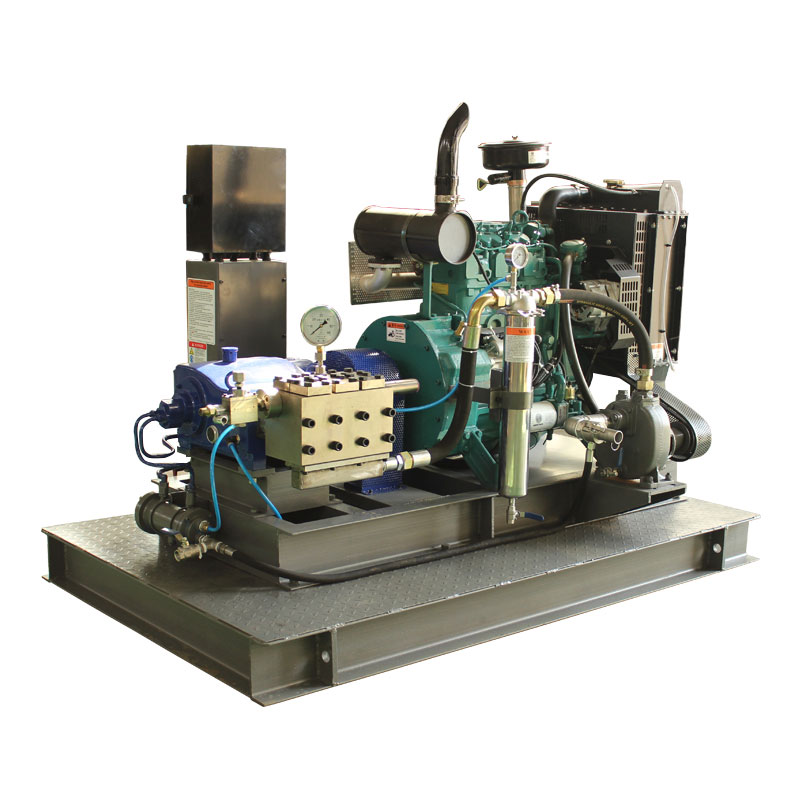
A high pressure water jet pump is a specialized device designed to deliver water at extremely high pressures for various applications such as cutting, cleaning, and industrial processing. The performance of these pumps depends on several key factors including pump design, fluid supply, and operational parameters. Understanding how a pump works is crucial for troubleshooting low pressure issues.
The main components of a high pressure water jet pump include the pump head, seals, valves, suction lines, and the driving motor or engine. Each of these components contributes to the overall pressure output. If any component is not functioning correctly, the pump may fail to reach its designed pressure, leading to inefficiency and possible damage to the system.
In industries such as oil and gas, manufacturing, and surface preparation, the reliability of a high pressure water jet pump directly affects project timelines and costs. Therefore, identifying the root cause of low pressure is essential for operational continuity.
Common causes of low pressure in a high pressure water jet pump
Low pressure in a high pressure water jet pump can result from multiple factors. By understanding the potential causes, operators can quickly narrow down the source of the problem and take appropriate corrective measures. Some common causes include:
1. Insufficient water supply
One of the most frequent reasons for low pressure is an inadequate water supply. Pumps require a steady and sufficient volume of water to maintain high pressure. Factors that can restrict water flow include:
- Blocked or partially closed suction valves
- Collapsed or leaking suction hoses
- Low water level in the source tank
- Clogged filters or strainers
If the pump cannot draw enough water, it will not achieve the desired pressure. Inspecting the water source and ensuring unobstructed intake is the first step in troubleshooting.
2. Air leaks in suction lines
Air entrainment can severely impact pump pressure. Even small air leaks in suction hoses, fittings, or pump connections can reduce the efficiency of a high pressure water jet pump. Air bubbles disrupt the hydraulic flow, preventing the pump from building adequate pressure.
Common signs of air leaks include unusual noise (cavitation sounds), pulsating pressure, and sudden drops in output. Checking all suction line connections and using proper sealing materials can eliminate this problem.
3. Worn or damaged pump components
Mechanical wear is another critical factor that can reduce pump pressure. Key components prone to wear include:
- Pump seals: Worn seals allow water to escape, reducing pressure.
- Valves: Malfunctioning inlet or outlet valves can prevent proper fluid movement.
- Plungers or pistons: Erosion or wear in the pumping elements decreases volumetric efficiency.
Regular inspection and replacement of worn parts are necessary to maintain performance and prevent severe damage.
4. Incorrect pump speed or operating conditions
Operating a high pressure water jet pump at incorrect speeds can also cause low pressure. Pumps designed for specific RPM ranges or flow rates will underperform if run too slowly or under excessive load. Overheating due to extended operation without adequate rest can further reduce pressure.
Operators should always follow manufacturer-recommended operating conditions and monitor pump performance using gauges and sensors.
5. Blockages in high pressure lines or nozzles
Debris or mineral buildup in high pressure hoses and nozzles can obstruct flow and lower pressure output. Industrial users frequently encounter this when pumping water with impurities or when scaling occurs in hard water environments.
Regular cleaning and inspection of hoses, fittings, and nozzles are essential to maintain consistent pressure.
Step-by-step troubleshooting process
Troubleshooting low pressure in a high pressure water jet pump requires a systematic approach. The following steps provide a professional method to identify and resolve issues efficiently.
Step 1: Inspect the water supply
Begin by checking the water source. Ensure there is sufficient water available, suction valves are fully open, and suction hoses are intact and free of kinks. Examine strainers and filters for debris, as clogged filters are a common cause of low pressure.
Step 2: Check for air leaks
Examine all suction line connections, gaskets, and fittings for leaks. Tighten loose connections and replace damaged seals. For critical industrial applications, consider using a vacuum gauge to detect small leaks that may not be visible.
Step 3: Evaluate pump components
Inspect critical pump components such as seals, valves, pistons, and plungers. Signs of wear, erosion, or corrosion should be addressed immediately. Replacing worn parts restores proper functionality and prevents further issues.
Step 4: Verify operating conditions
Confirm that the pump is operating within recommended speed and load ranges. Avoid prolonged operation at high capacity without monitoring, as this can cause overheating and reduce pressure. Use gauges to track pressure levels and ensure consistency.
Step 5: Clean high pressure lines and nozzles
Remove any blockages in high pressure hoses, fittings, and nozzles. For industrial applications, flushing the system with clean water after each use helps prevent debris accumulation. Inspecting nozzles for wear ensures even flow and accurate pressure.
Maintenance strategies to prevent low pressure
Preventive maintenance is critical for sustaining the performance of a high pressure water jet pump. Adopting a regular maintenance schedule can reduce downtime and extend pump life.
Recommended maintenance practices
- Regular inspection of seals and valves to detect early signs of wear
- Routine cleaning of suction filters and strainers to prevent clogging
- Lubrication of moving components as per operational guidelines
- Monitoring of pressure gauges and flow meters for early detection of anomalies
- Replacement of worn or damaged components promptly to prevent cascading failures
By implementing these practices, industrial operators can maintain optimal performance and reduce the likelihood of low pressure incidents.
Industry-specific considerations
Different industries using high pressure water jet pumps may encounter unique challenges. Understanding these contexts helps tailor troubleshooting and maintenance strategies.
Industrial cleaning
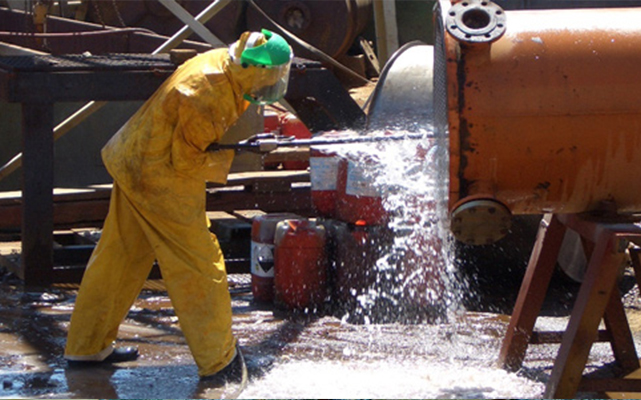
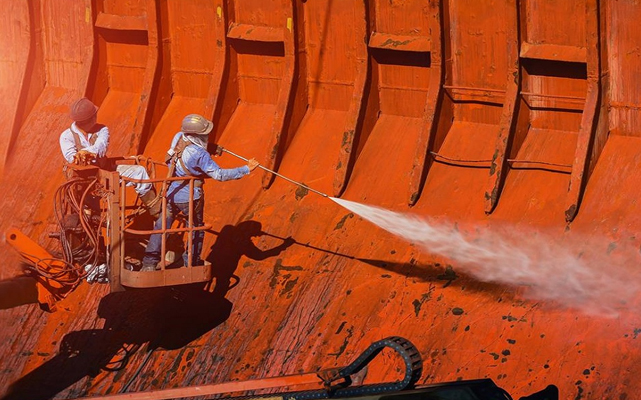
In facilities using high pressure water jet pumps for surface cleaning, debris and chemical residue in water lines can quickly affect pressure. Operators must prioritize cleaning of filters, nozzles, and hoses.
Manufacturing and metal cutting
High precision operations require consistent high pressure. Abrasion from metal particles or scaling in fluid lines can reduce pressure, affecting cutting quality. Regular inspection and component replacement are crucial in these environments.
Construction and civil works
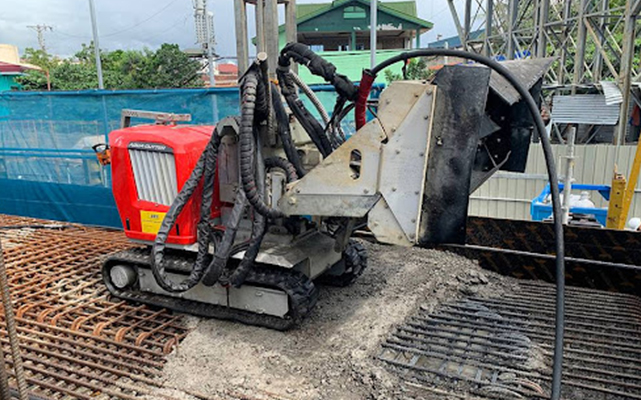
Pumps used in construction for concrete removal or surface preparation may experience clogging from sand, grit, and debris. Suction line protection and frequent cleaning help maintain pressure and prevent damage.
Common mistakes to avoid during troubleshooting
When addressing low pressure issues in a high pressure water jet pump, several common mistakes can exacerbate the problem:
- Ignoring small leaks: Even minor air or water leaks can cause significant pressure drops over time.
- Delayed replacement of worn parts: Operating a pump with damaged seals or valves reduces efficiency and increases maintenance costs.
- Improper cleaning procedures: Using incorrect cleaning agents or methods can damage pump components.
- Neglecting water quality: Hard or contaminated water can accelerate wear and reduce pressure output.
Avoiding these mistakes ensures effective troubleshooting and long-term pump reliability.
Troubleshooting summary table
| Issue | Possible cause | Recommended action |
|---|---|---|
| Low pressure | Insufficient water supply | Check water source, open valves, clear filters |
| Low pressure | Air leaks in suction lines | Inspect and tighten connections, replace seals |
| Low pressure | Worn pump components | Replace seals, valves, pistons, or plungers |
| Low pressure | Incorrect operating conditions | Verify speed, load, and temperature ranges |
| Low pressure | Blocked hoses or nozzles | Clean lines and nozzles, flush system regularly |
This table provides a concise overview of the main causes and solutions for low pressure in a high pressure water jet pump.