 English
 Español
 عربى
عربى


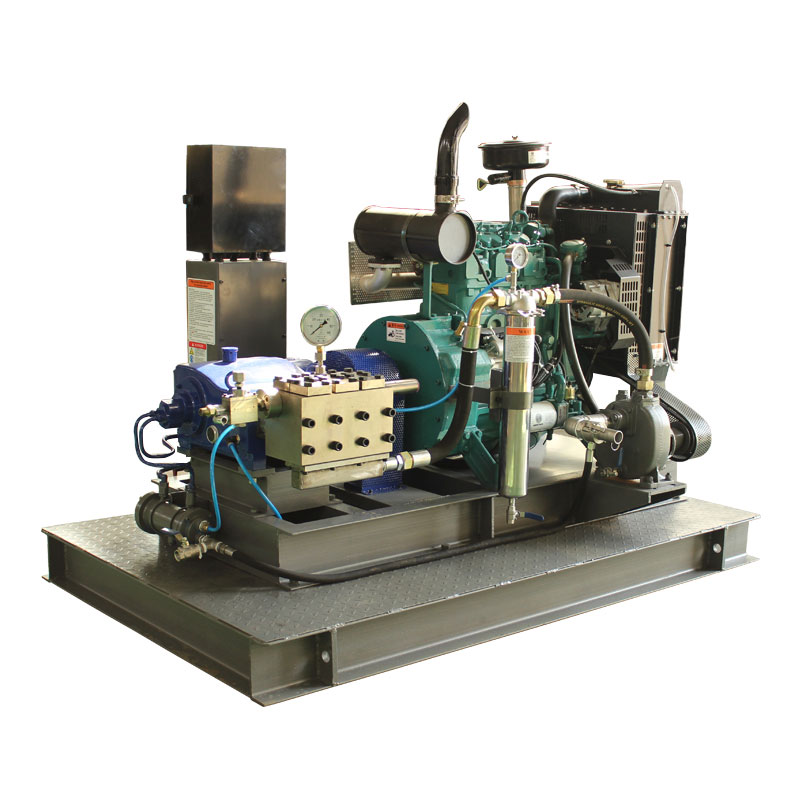
A diesel high pressure water pump is a critical piece of equipment widely used across industries such as agriculture, construction, firefighting, and municipal water supply. It combines the advantages of diesel engines and high-pressure pumping systems to deliver reliable, powerful, and portable water pumping solutions.
Introduction to diesel high pressure water pumps
A diesel high pressure water pump operates using the energy generated from a diesel engine to drive a pump mechanism that produces high-pressure water flow. Unlike electric pumps, these pumps are independent of external power sources, which makes them ideal for remote or off-grid locations. Portable diesel high pressure water pumps are particularly popular in industries where water needs to be transferred or pressurized quickly and efficiently.
The primary function of a diesel high pressure water pump is to move water from one point to another while generating sufficient pressure to overcome resistance caused by elevation differences, pipe friction, or other system constraints. Industrial water pumps, agricultural water transfer pumps, and firefighting pumps are examples of practical applications that rely on diesel high pressure water pumps.
Key components of a diesel high pressure water pump
Understanding the main components of a diesel high pressure water pump is crucial to grasp its working principle and maintenance requirements. The primary components include:
Diesel engine
The diesel engine is the core power source of the pump. It converts the chemical energy in diesel fuel into mechanical energy, which then drives the pump impeller or plunger mechanism. Diesel engines are favored for their fuel efficiency, reliability, and ability to operate under heavy loads. The engine’s design ensures continuous operation under varying conditions, making it suitable for industrial and agricultural environments.
Pump mechanism
The pump mechanism is responsible for creating high water pressure. Diesel high pressure water pumps commonly use either centrifugal or positive displacement mechanisms. Centrifugal pumps use a rotating impeller to accelerate water outward, converting kinetic energy into pressure. Positive displacement pumps, on the other hand, trap a fixed amount of water in chambers and force it through the discharge pipe, ensuring a steady flow regardless of system pressure.
Suction and discharge system
The suction and discharge components manage the intake and release of water. The suction side connects to a water source, while the discharge side delivers pressurized water to the desired location. Valves, hoses, and fittings ensure smooth water flow and prevent backflow. The quality and configuration of these systems directly affect pump efficiency and reliability.
Control and monitoring systems
Modern diesel high pressure water pumps are often equipped with control and monitoring systems to enhance operational safety. These systems monitor parameters such as engine temperature, fuel level, water pressure, and flow rate. They may also include safety devices such as automatic shutdown mechanisms in the event of overpressure or engine failure.
How a diesel high pressure water pump works
The working principle of a diesel high pressure water pump is a combination of mechanical power generation and fluid dynamics. The process can be described step by step:
-
Fuel combustion in the diesel engine
Diesel fuel is injected into the engine’s combustion chamber, where it ignites under high pressure. The combustion generates mechanical energy in the form of rotational motion. -
Transmission of mechanical energy to the pump
The engine’s rotational motion is transmitted to the pump shaft, which drives the impeller or piston system, depending on the pump type. -
Water suction and pressurization
Water is drawn into the pump through the suction inlet. In centrifugal pumps, the impeller accelerates the water outward, increasing its pressure. In positive displacement pumps, water is trapped in chambers and mechanically forced out, producing a constant high-pressure flow. -
Discharge of high-pressure water
Pressurized water exits the pump through the discharge outlet. The pump can deliver water at a pressure high enough to overcome system resistance, reach high elevations, or power cleaning and irrigation systems. -
Continuous operation
The diesel engine maintains continuous rotation, allowing the pump to operate for extended periods without external power. Portable diesel high pressure water pumps are particularly advantageous in scenarios where reliability and mobility are critical.
Applications of diesel high pressure water pumps
Diesel high pressure water pumps are versatile and find use in numerous industries:
Agriculture
In agricultural settings, irrigation pumps powered by diesel engines are essential for supplying water to fields, greenhouses, and livestock. High-pressure pumps enable water to travel long distances and reach elevated terrains, supporting efficient crop management.
Construction and mining
Construction site dewatering and mine water management are other major applications. Diesel high pressure water pumps remove excess water from excavation sites, tunnels, and mining operations. Their mobility and independence from electricity make them ideal for remote or temporary sites.
Firefighting
In firefighting, portable high-pressure pumps deliver water at high flow rates to control fires, especially in rural or off-grid areas. Diesel engines ensure that pumps can operate without reliance on the electrical grid, improving response times in emergencies.
Municipal and industrial water supply
Municipal water supply systems and industrial facilities use diesel high pressure water pumps for emergency water distribution, temporary water transfers, and pressure boosting. Their ability to operate continuously under varying conditions makes them reliable for critical applications.
Advantages of diesel high pressure water pumps
There are several advantages associated with diesel high pressure water pumps:
- Portability and independence: Diesel pumps do not require electricity, allowing operation in remote locations.
- High-pressure output: They are capable of producing sufficient pressure for firefighting, irrigation, and industrial processes.
- Durability and reliability: Diesel engines are designed for long-term use under heavy loads.
- Fuel efficiency: Diesel fuel provides higher energy output per unit volume, reducing operational costs.
- Versatility: Suitable for multiple applications, from agriculture to emergency water supply.
Maintenance and troubleshooting
Proper maintenance ensures the long-term efficiency and reliability of diesel high pressure water pumps. Key maintenance practices include:
Routine inspection
Regular inspection of the engine, pump, and hoses is essential. Check for fuel leaks, wear on seals, corrosion, and any unusual noises during operation.
Engine maintenance
Diesel engines require timely oil changes, fuel filter replacement, and air filter cleaning. Maintaining engine temperature and monitoring exhaust emissions can prevent premature engine failure.
Pump component care
Impellers, pistons, and pump seals should be inspected for wear and tear. Any worn or damaged components should be replaced promptly to maintain pressure output.
Troubleshooting common issues
Common problems include reduced water pressure, unusual noises, fuel supply issues, and overheating. Systematic inspection, proper lubrication, and timely part replacement can resolve most issues. Portable diesel high pressure water pumps should also be checked for hose blockages or leaks before operation.
Selection criteria for diesel high pressure water pumps
Choosing the right diesel high pressure water pump requires evaluating several factors:
- Flow rate and pressure requirements: Determine the water volume and pressure needed for the specific application.
- Pump type: Centrifugal pumps are suitable for high flow, low-pressure applications, while positive displacement pumps excel in consistent high-pressure delivery.
- Portability: Consider whether the pump needs to be easily transported between sites.
- Fuel efficiency: Evaluate fuel consumption to optimize operational costs.
- Durability: Ensure the pump materials and engine design can withstand the intended working environment.
Table: Comparison of common diesel high pressure water pump types
| Pump Type | Pressure Performance | Flow Characteristics | Typical Applications |
|---|---|---|---|
| Centrifugal diesel pump | Moderate-high | Variable flow | Irrigation, dewatering |
| Positive displacement pump | High | Constant flow | Firefighting, industrial processes |
| Multi-stage centrifugal | Very high | High flow | Municipal water supply, high-rise buildings |
Safety considerations
Operating a diesel high pressure water pump requires adherence to safety practices:
- Proper ventilation: Diesel engines produce exhaust gases; operate pumps in well-ventilated areas.
- Avoid overpressure: Never exceed the pump’s rated pressure to prevent mechanical damage.
- Secure placement: Ensure the pump is placed on stable ground to prevent tipping or vibration damage.
- Personal protective equipment (PPE): Use gloves, goggles, and hearing protection when operating high-pressure pumps.