 English
 Español
 عربى
عربى


The Strategic Importance of Diesel High Pressure Water Pumps in Remote Operations
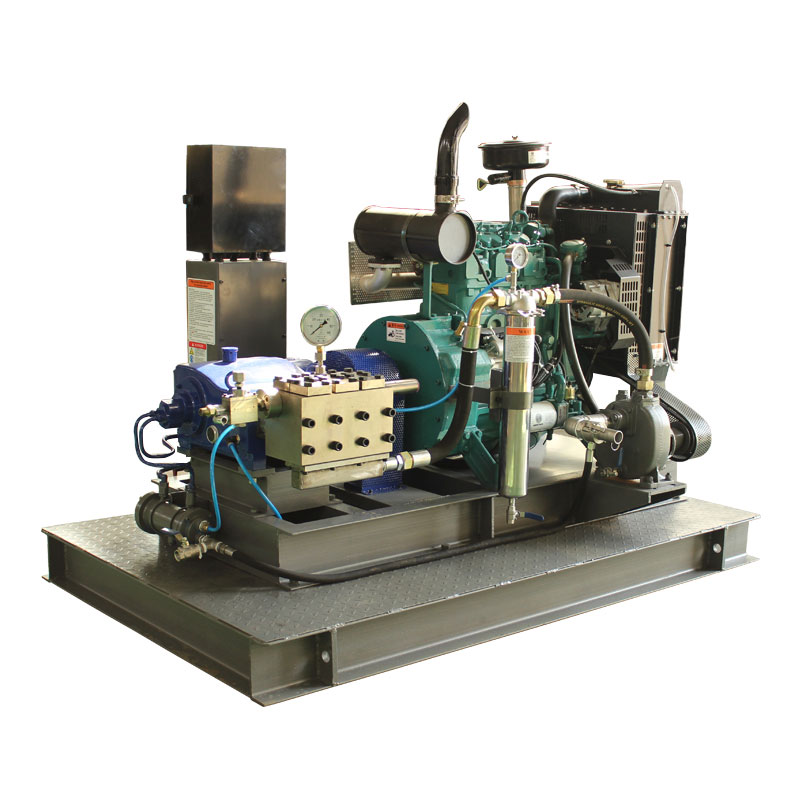
In the realm of industrial, agricultural, and emergency management operations, the geographical location of a project often dictates the equipment required. When operations move beyond the reach of established municipal power grids, the challenges of fluid transport and pressure management intensify. A Diesel High Pressure Water Pump serves as the backbone for these off-grid environments, providing the necessary mechanical force to move water across vast distances or up significant elevations where electrical infrastructure is nonexistent or unreliable.
The reliance on diesel-driven technology in remote areas is not merely a matter of tradition but a calculated decision based on energy density and mobility. Remote sites, such as deep-woods timber operations, high-altitude mining claims, and expansive rural farmland, require systems that can function autonomously for extended periods. High-pressure requirements add a layer of complexity; it is not enough to simply move volume; the system must overcome friction loss in long hose runs and provide enough force for specialized tasks like equipment wash-downs, fire suppression, or high-efficiency irrigation.
Understanding the nuances of these pumps involves looking at the marriage between internal combustion efficiency and centrifugal or positive displacement hydraulic ends. Unlike electric counterparts that are tethered to a cord, or gasoline engines which may lack the torque for continuous high-pressure duty, diesel engines offer a robust thermal efficiency that translates directly into consistent hydraulic output. This article examines the multifaceted advantages of these systems, focusing on their technical superiority in environments where failure is not an option.
Unmatched Operational Independence and Portability
Grid Independence in Challenging Terrains
The primary advantage of a diesel-powered system is the complete removal of electrical constraints. In many remote regions, the cost of extending a three-phase power line can reach tens of thousands of dollars per mile. Diesel units eliminate this capital expenditure entirely. They are self-contained power plants that only require a stable fuel supply to operate, making them the gold standard for temporary worksites and seasonal operations.
Mobility and Rapid Deployment
Most high-pressure diesel units are designed with mobility in mind, often mounted on reinforced steel skids or road-ready trailers. This allows for:
- Quick relocation between different water sources on a large site.
- Ease of transport via standard utility vehicles.
- Protection against flooding by allowing the pump to be moved to higher ground when not in use.
Technical Performance and High-Torque Efficiency
Diesel engines are inherently high-torque machines. In the context of water pumping, torque is the critical factor that allows a pump to maintain high pressure even as the fluid density or head pressure increases. When a pump must push water through a narrow nozzle or up a steep incline, the engine must work against significant resistance. Diesel engines maintain their power curve more effectively than gasoline engines under these high-load conditions.
| Feature | Diesel High Pressure Pump | Electric High Pressure Pump |
| Power Source | On-board Diesel Fuel | Fixed Electrical Grid |
| Portability | Very High (Trailer/Skid) | Low (Tethered) |
| Continuous Duty | Excellent for 24/7 use | Dependent on Grid Stability |
| Initial Setup | Immediate | Extensive Infrastructure Needed |
Furthermore, the longevity of a diesel engine is significantly higher than that of a gasoline engine. A well-maintained diesel engine can operate for thousands of hours before requiring a major overhaul. This durability is essential in remote locations where spare parts and specialized mechanics may be days away.
Durability in Harsh Environmental Conditions
Remote sites are rarely clean or climate-controlled. They are characterized by dust, moisture, extreme temperatures, and rough handling. Diesel high pressure water pumps are built with heavy-duty components to withstand these factors. The cooling systems are typically oversized to manage heat in stagnant environments, and the air filtration systems are designed to handle high-particulate air in mining or construction zones.
Resilience Against Mechanical Stress
The construction of these pumps often includes cast iron housings and stainless steel impellers, which provide resistance to both physical impact and the corrosive elements often found in raw water sources like ponds, rivers, or boreholes. Because they lack the sensitive electronic components found in some high-end electric control panels, they are less susceptible to failure from vibration or humidity.
Fuel Efficiency and Long-Term Operating Costs
While the initial purchase price of a diesel pump may be higher than its gasoline counterpart, the Total Cost of Ownership (TCO) in remote settings is often lower. Diesel fuel contains more energy per gallon than gasoline, which means a diesel engine can perform more work while consuming less fuel. In a remote site where fuel must be trucked in, this efficiency directly reduces logistics costs and the frequency of refueling missions.
Additionally, diesel fuel is safer to store in bulk at remote sites due to its lower volatility compared to gasoline. This reduces the risk of fire and explosion in high-temperature environments or near active work zones.
Critical Applications for Remote High Pressure Pumping
The versatility of high-pressure diesel pumps allows them to serve multiple roles within a single remote project. Their ability to generate high PSI (pounds per square inch) makes them suitable for applications that standard transfer pumps cannot handle.
Agriculture and Irrigation
In large-scale farming, water often needs to be pushed through long pivot systems or up-hill to reach secondary reservoirs. The high pressure ensures that water reaches the furthest nozzles at the correct operating pressure, ensuring even distribution of water and nutrients.
Mining and Industrial Cleaning
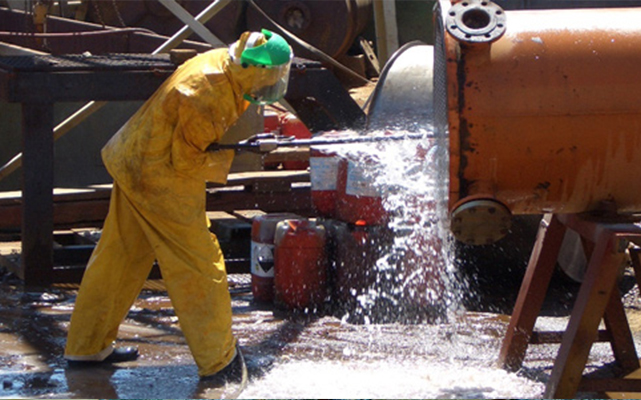
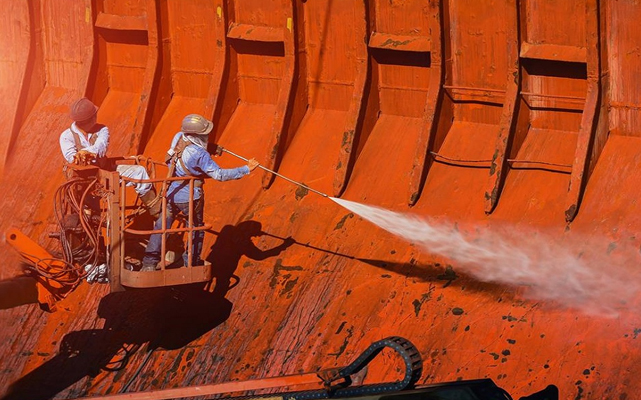
Mining operations use high-pressure water for "hydromining" or for cleaning heavy machinery. Removing layers of hardened mud and debris from massive haul trucks requires significant force, which only a specialized high-pressure pump can provide reliably.
Fire Suppression in Remote Areas
For remote timber yards or construction camps, a diesel pump is a vital safety tool. In the event of a fire, these pumps can be started instantly to provide high-pressure streams for firefighting before emergency services arrive.
Maintenance Considerations for Remote Longevity
To ensure a diesel high pressure pump remains reliable in a remote setting, a proactive maintenance schedule is required. Because help is far away, the focus shifts to prevention rather than repair.
- Fuel Quality Management: Use high-quality filters to prevent water or sediment from entering the fuel injectors.
- Cooling System Checks: Regularly inspect radiators and coolant levels to prevent overheating during long duty cycles.
- Seal Inspections: High-pressure pumps put significant stress on mechanical seals; regular checks prevent leaks that can lead to cavitation and pump damage.
- Oil Analysis: Periodic oil changes are the most effective way to extend engine life in dusty environments.
Conclusion on Remote Site Pumping Solutions
The selection of a pumping system for a remote site is a decision that impacts the entire project's productivity and safety. The diesel high pressure water pump stands out as the most reliable, powerful, and cost-effective solution for these environments. Its ability to operate independently of a power grid, combined with the high torque necessary for demanding hydraulic tasks, ensures that water is delivered exactly where it is needed, regardless of the terrain or distance.
By investing in high-quality diesel technology, operators gain peace of mind, knowing they have a tool that is as rugged as the environment it works in. Whether it is for essential irrigation, industrial cleaning, or emergency protection, the advantages of diesel-driven high-pressure systems are undeniable for any serious off-grid operation.
Frequently Asked Questions (FAQ)
Q1: Why is diesel preferred over gasoline for high-pressure pumps in remote areas?
Diesel engines provide higher torque and better fuel efficiency, which are critical for maintaining high pressure and reducing the logistical burden of transporting fuel to remote locations. They also have a longer operational lifespan under continuous load.
Q2: Can these pumps handle dirty water from a pond or river?
While high-pressure pumps are primarily designed for liquid transport, many are equipped with specialized impellers and strainers to handle small particulates. However, for longevity, it is recommended to use a suction strainer to prevent large debris from damaging the internal components.
Q3: How often do I need to service a diesel pump at a remote site?
Service intervals depend on the engine model, but generally, oil and filter changes should occur every 250 to 500 hours of operation. In extremely dusty conditions, air filters may need daily inspection.
Q4: Are these pumps difficult to start in cold climates?
Modern diesel engines for industrial pumps often feature glow plugs or heating elements to assist with cold starts. Using winter-grade diesel fuel also prevents gelling in low temperatures, ensuring reliable startup.