 English
 Español
 عربى
عربى


Introduction to Water Jetters and Pressure Washers
Pressure washing is a widely used method for cleaning a variety of surfaces, from driveways and decks to vehicles and buildings. Among the many types of pressure washers, two prominent machines are the water jetter and the standard pressure washer. While these devices share the same general function—cleaning surfaces using high-pressure water—they differ significantly in their design, functionality, and best-use scenarios. Understanding the differences between these two machines can help you choose the right equipment for your cleaning needs.
In this article, we will explore the key differences between a water jetter and a standard pressure washer, highlighting their respective features, uses, and applications. By the end, you'll have a clear understanding of when to use each machine for optimal results.
What is a Water Jetter?
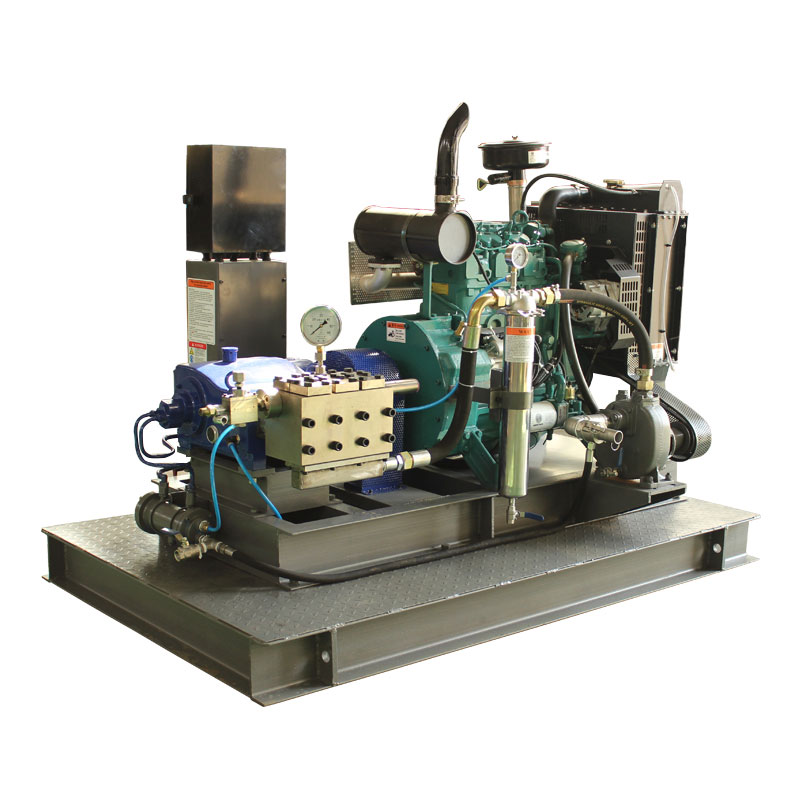
A water jetter, also known as a hydro-jet or jetting system, is a powerful cleaning tool used primarily for clearing blockages in pipes, drains, and sewers. It uses high-pressure water to break up and dislodge dirt, debris, and scale buildup from surfaces. Unlike standard pressure washers, water jetters are designed specifically for industrial-grade cleaning tasks and are equipped with specialized nozzles for optimal water flow and pressure control.
Water jetters are commonly used in plumbing and maintenance applications, where high-pressure water is directed through hoses and specialized tools to clear clogs and blockages in piping systems. The machine's nozzle helps focus the water jet into a concentrated stream that can cut through grease, mud, and other obstacles that may impede the flow of water.
What is a Standard Pressure Washer?
A standard pressure washer is a versatile cleaning device used for a variety of residential and commercial cleaning tasks. It uses a motor to pressurize water, which is then sprayed through a nozzle onto surfaces to remove dirt, grime, mold, and other contaminants. Pressure washers are commonly used for cleaning outdoor surfaces like driveways, patios, vehicles, and siding.
Unlike water jetters, standard pressure washers typically feature adjustable pressure settings, allowing users to control the intensity of the water stream based on the type of surface being cleaned. Pressure washers are suitable for general-purpose cleaning, but they may not be as effective in clearing deep blockages or heavy-duty industrial tasks like those handled by water jetters.
Key Differences Between Water Jetters and Pressure Washers
While both water jetters and pressure washers utilize high-pressure water to perform cleaning tasks, their differences go beyond just the machine’s appearance. These differences influence their capabilities, performance, and applications. Below, we’ll break down the key factors that set water jetters and pressure washers apart.
1. Pressure and Flow Rate
The primary difference between a water jetter and a standard pressure washer lies in their pressure and flow rate capabilities. Water jetters typically operate at much higher pressures and can handle larger volumes of water. This makes them suitable for clearing tough blockages in industrial-sized pipes and drainage systems.
Standard pressure washers, on the other hand, usually operate at lower pressures. They are designed for surface cleaning and are more suited to tasks such as washing cars, cleaning patios, and removing dirt from walls. The pressure in a standard pressure washer can range from 1,300 to 4,000 PSI (pounds per square inch), whereas water jetters can easily exceed 5,000 PSI, providing a more forceful cleaning action.
2. Applications
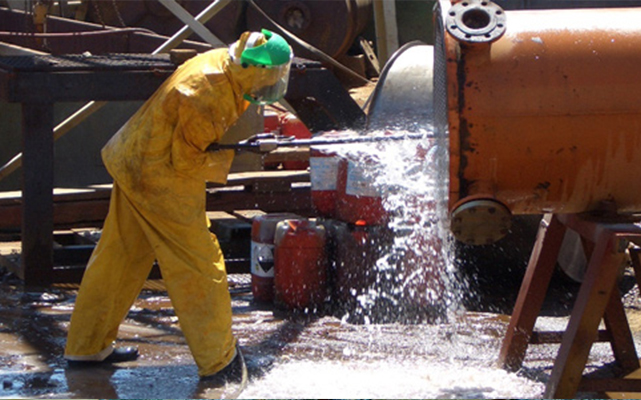
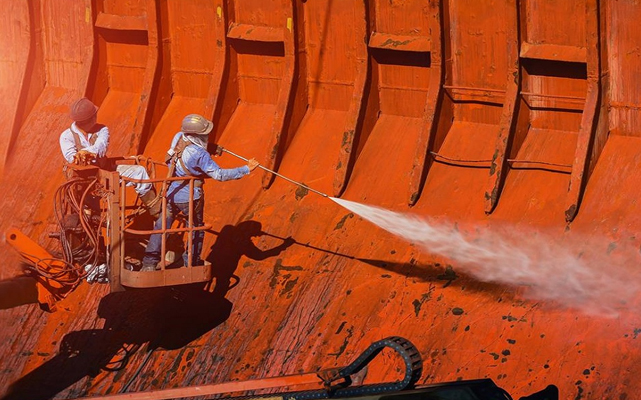
Water jetters are mainly used for cleaning pipes, drains, and sewers, where their high-pressure output is necessary to dislodge built-up debris and clear blockages. They are ideal for industrial, municipal, and commercial cleaning applications, where specialized equipment is required to handle stubborn clogs and buildup in plumbing systems.
In contrast, standard pressure washers are more commonly used for general cleaning of outdoor surfaces, such as washing cars, driveways, fences, and siding. While they can remove dirt, algae, and mold, they are not typically designed to clear clogs or handle large-scale pipe cleaning tasks.
3. Nozzles and Attachments
Water jetters come with specialized nozzles that are designed to optimize water flow for pipe and drain cleaning. These nozzles can direct water in multiple directions, enabling the water to clear obstructions while also helping to scrub and clean the interior walls of pipes. The nozzles on water jetters are often more intricate and can include options like rotating or multi-directional nozzles to increase cleaning efficiency.
Pressure washers, on the other hand, typically offer a range of nozzle types, including wide, narrow, and turbo nozzles. These nozzles are designed to adjust the flow of water to suit the surface being cleaned. While there are specialized attachments available, they are not as advanced or as focused as those used by water jetters.
4. Durability and Size
Water jetters are built to withstand the rigorous demands of industrial cleaning tasks. They are often larger and more robust machines, with reinforced hoses and higher-capacity engines to support continuous use in heavy-duty environments. Due to their size and specialized design, water jetters are generally stationary and may require a vehicle for transport.
Pressure washers, in contrast, are typically more compact and portable, with models available for both residential and commercial use. While they may be durable enough for outdoor cleaning tasks, they are not designed to handle the same industrial workloads as water jetters.
5. Cost
Due to their specialized features, higher pressure capabilities, and more advanced technology, water jetters are generally more expensive than standard pressure washers. They are often considered a long-term investment for businesses or municipalities that require regular industrial cleaning services.
Standard pressure washers are more affordable and are commonly used for residential cleaning tasks. They can be purchased at various price points depending on the pressure rating and features, but they are generally much less expensive than water jetters.
Applications of Water Jetters vs Pressure Washers
The distinction between water jetters and pressure washers becomes even clearer when considering their real-world applications. While both machines can be used to clean surfaces, the type of cleaning required will determine the best machine for the job.
Water Jetter Applications
- Clearing blockages in industrial pipes and drains
- Cleaning grease and oil buildup in commercial kitchens
- Maintaining sewer lines and municipal drainage systems
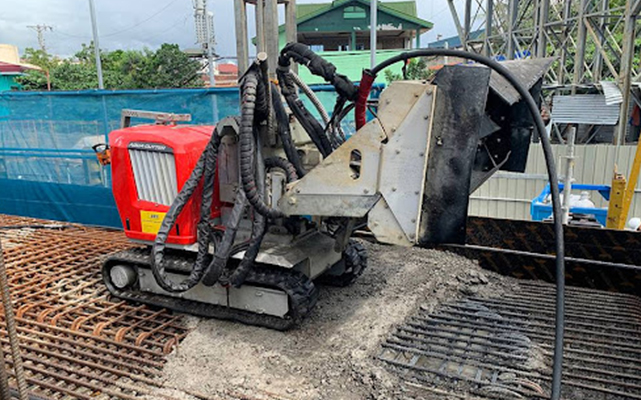
- Cleaning concrete surfaces where debris and contaminants are deep-set
Pressure Washer Applications
- Washing vehicles, including cars, trucks, and boats
- Cleaning driveways, patios, and walkways
- Removing mold and mildew from outdoor surfaces
- Washing building facades and siding
Which is Right for Your Needs?
The decision between a water jetter and a standard pressure washer ultimately depends on the nature of the cleaning task at hand. If you’re dealing with general outdoor cleaning and surface maintenance, a standard pressure washer will likely suffice. These machines are ideal for everyday tasks like washing cars, cleaning patios, and removing dirt from walls.
However, if you are facing more specialized cleaning challenges, such as clearing stubborn blockages in plumbing systems or cleaning industrial-scale pipes, a water jetter is the tool you’ll need. Water jetters offer the high-pressure output necessary for tackling tough clogs and cleaning large-scale drainage systems.
FAQ
Q1: What’s the difference between a water jetter and a pressure washer?
A water jetter is used primarily for industrial pipe and drain cleaning, offering higher pressure and specialized nozzles. A pressure washer is for surface cleaning tasks, with adjustable pressure settings for a range of cleaning jobs.
Q2: Can a standard pressure washer clear blockages like a water jetter?
No, standard pressure washers are not designed for clearing blockages in pipes. They are more suited for general cleaning tasks like washing vehicles, patios, and siding.
Q3: Is a water jetter more expensive than a pressure washer?
Yes, water jetters are generally more expensive due to their higher pressure capabilities, advanced nozzles, and industrial-grade design. Pressure washers are more affordable and suitable for residential use.