 English
 Español
 عربى
عربى


Introduction to Surface Preparation: The Shift from Abrasives to High-Pressure Water
Surface preparation is the cornerstone of industrial coating, painting, and cleaning operations. For decades, sandblasting—using compressed air to propel abrasive media against a surface—was the default method for removing rust, old paint, scale, and contaminants. However, increasing environmental regulations, health concerns over silica dust, and the need for more efficient processes have driven a powerful shift toward hydro blasting. This technique, also known as water jetting or wet abrasive blasting, uses high-pressure water—often generated by a dedicated Hydro Water Blasting Pump—to achieve similar or superior cleaning results without many of the drawbacks of traditional dry abrasives.
Understanding the differences between hydro blasting and sandblasting is not merely academic. For facility managers, contractors, and industrial maintenance teams, choosing the wrong method can lead to project delays, safety violations, substrate damage, and inflated costs. This article delivers a deep, technical comparison between the two technologies, focusing on practical outcomes: surface profile, dust generation, waste volume, operator safety, and material compatibility. By the end, you will have a systematic framework for selecting the appropriate blasting method for any given substrate and contamination challenge.
Defining Hydro Blasting: Pure Water as a Cutting and Cleaning Medium
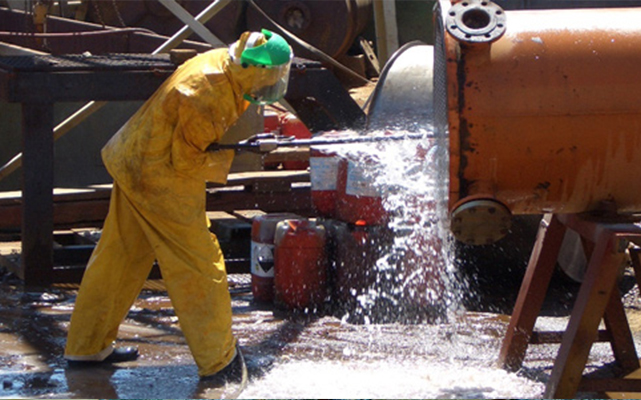
Hydro blasting, also called ultra-high-pressure water jetting (UHP water jetting), relies solely on water pressurized between 10,000 psi and 40,000 psi (690 to 2,800 bar). The water is forced through a specialized nozzle at velocities exceeding 2,500 feet per second. At these pressures, the water jet functions as a dynamic energy source that fractures, lifts, and washes away surface contaminants. No additional abrasive sand, garnet, slag, or crushed glass is mixed into the stream in pure hydro blasting.
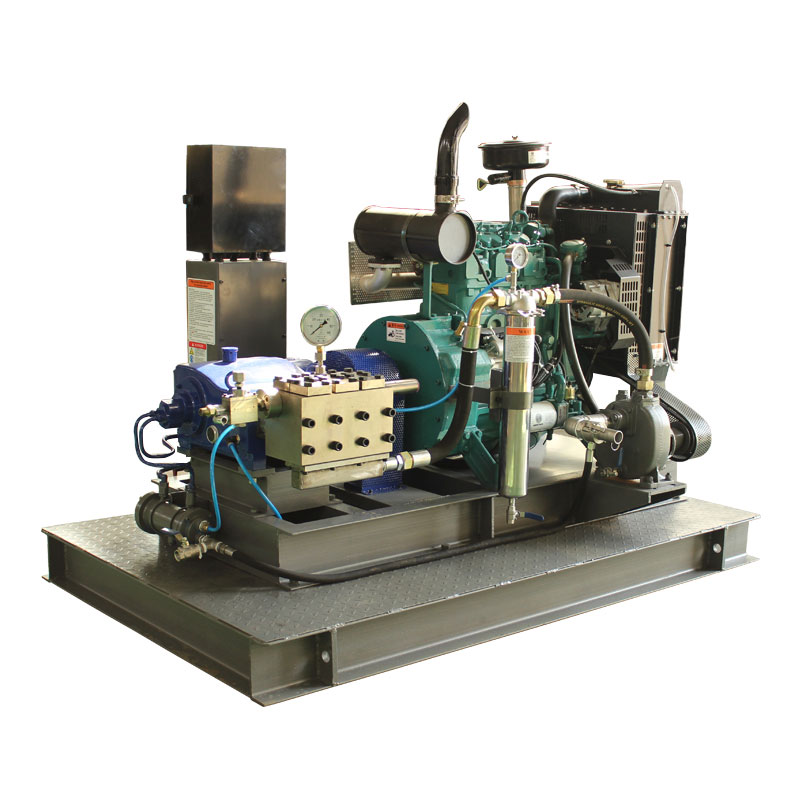
The true workhorse behind effective hydro blasting is the Hydro Water Blasting Pump. These pumps are engineered with hardened plungers, ceramic or tungsten carbide valve seats, and precision seals to withstand continuous operation at extreme pressures. Unlike standard pressure washers (which typically operate below 5,000 psi), industrial hydro blasting pumps deliver volumetric flow rates from 5 to 50 gallons per minute, combining high pressure with sufficient volume to remove thick coatings and corrosion. The kinetic energy of the water does the work; when the jet impacts a surface, the sudden deceleration creates micro-fractures between the coating and substrate, causing the coating to debond and flush away.
Common applications for hydro blasting include:
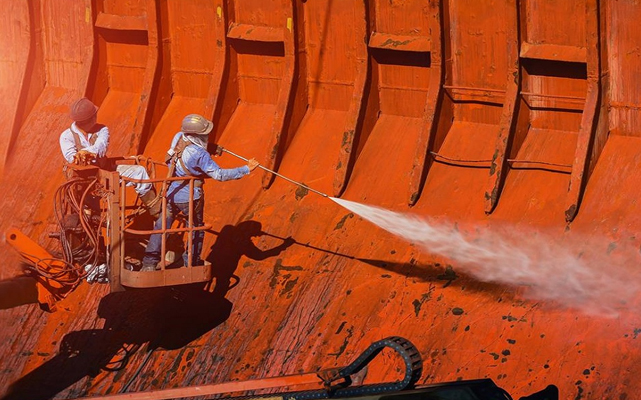
- Removing marine growth and anti-fouling paints from ship hulls
- Cleaning heat exchanger tubes, boiler headers, and condenser bundles
- Surface preparation for concrete before applying epoxy or urethane coatings
- Selective rubber and paint removal from industrial tanks and pipelines
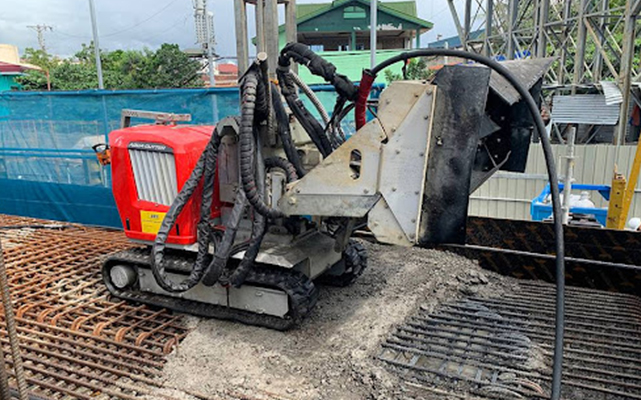
- Hydro-demolition of deteriorated concrete without reinforcing steel damage
A critical advantage of hydro blasting is the adjustable pressure. By reducing the pressure to 10,000–15,000 psi, operators can gently wash away biological growth or loose paint. By increasing to 30,000–40,000 psi, the same pump can cut through 1-inch-thick epoxy coatings or remove mill scale from steel. This flexibility makes a Hydro Water Blasting Pump a multi-purpose asset, whereas sandblasting equipment typically requires changing abrasives and flow settings for different substrates.
Sandblasting Explained: Abrasive Media Under Pneumatic Pressure
Sandblasting (also referred to as abrasive blasting) uses compressed air—typically at 80 to 150 psi—to propel particles against a target surface. While silica sand was historically common, its use is now highly restricted due to silicosis risks. Modern alternatives include coal slag, garnet, aluminum oxide, steel grit, crushed glass, and even walnut shells. The abrasive media strikes the surface with enough kinetic energy to chip, gouge, and strip away unwanted layers.
There are two main configurations: suction-blast systems (where air siphons abrasive from a hopper) and pressure-blast systems (where abrasive is held in a pressurized tank for higher velocity). Pressure-blast systems are generally more aggressive and efficient for heavy rust and thick coatings, but they also generate significantly more dust and require greater operator protection.
Typical applications for sandblasting include:
- Removing heavy, multi-layer paint systems from steel bridges and storage tanks
- Creating a roughened surface profile (typically 2–5 mils) for high-friction coatings
- Cleaning cast iron and forged metal parts in foundries
- Gravestone and monument cleaning (with softer media like baking soda)
- Stripping aerospace components with low-heat generation compared to chemical stripping
Despite its prevalence, sandblasting carries inherent limitations: abrasive media is single-use in many applications (consumable cost of $50–$300 per ton), containment structures (tarps, vacuums, tents) are required to prevent environmental contamination, and the dust plume reduces on-site visibility and worker safety. Furthermore, on softer substrates (aluminum, fiberglass, thin sheet metal), sandblasting can cause warping, pitting, or dimensional changes.
Direct Comparison: Hydro Blasting vs. Sandblasting in Key Performance Metrics
To make an informed technical decision, it is essential to compare the two methods across quantifiable metrics. The table below summarizes the critical differences based on a study of industrial maintenance operations (source: Journal of Protective Coatings & Linings, 2022).
| Metric | Hydro Blasting (Water Only) | Sandblasting (Abrasive) |
| Operational pressure range | 10,000 – 40,000 psi | 80 – 150 psi (air) + abrasive velocity |
| Airborne dust generation | Near zero (water suppression) | High (requires vacuum or water injection) |
| Consumable cost per hour (typical) | Water + electricity ($8–$15) | Abrasive media + disposal ($30–$90) |
| Surface profile (anchor pattern) | 1–3 mils (smoother, uniform) | 2–6 mils (sharp, angular) |
| Risk of substrate damage (soft metals) | Low (can be pressure-adjusted) | High (erosion, warping) |
| Post-cleaning residue handling | Water + removed coating (slurry) | Spent abrasive + removed coating (solid waste) |
As the data indicates, hydro blasting dramatically reduces consumable costs and eliminates airborne silica hazards. However, sandblasting can create a more aggressive surface anchor pattern, which may be preferred for thick-film coatings (e.g., 20-mil epoxy or polyurethane). The choice is not universal but depends on the coating system, the substrate metallurgy, and environmental restrictions at the job site.
Core Components of a Hydro Water Blasting Pump System
Achieving consistent, industrial-grade hydro blasting requires more than a standard pressure washer. A dedicated Hydro Water Blasting Pump package includes several engineered subsystems, each critical to safety and performance. Understanding these components helps operators diagnose problems and optimize cleaning efficiency.
1. Power End (Drive Train and Crankcase)
The power end converts rotational energy from an electric motor or diesel engine into reciprocating linear motion. It contains a crankshaft, connecting rods, and crossheads. For continuous industrial use (8–12 hour shifts), forged steel cranks and tapered roller bearings are mandatory. The power end is isolated from the fluid end, meaning any water leakage should not contaminate the crankcase oil. Monitoring oil temperature and pressure is essential; a rise of 15°F above baseline indicates excessive wear or inadequate lubrication.
2. Fluid End (Valves, Plungers, and Seals)
The fluid end pressurizes the incoming water. High-quality pumps use duplex, triplex, or quintuplex plunger arrangements. A triplex (three plunger) configuration is most common for mobile and fixed-industrial hydro blasting. Plungers are typically made of ceramic (alumina or zirconia) for wear resistance and hardness of 80–85 Rockwell A. Suction and discharge valves are often tungsten carbide or Stellite to resist erosion from microscopic debris. The seals (V-packings or U-cups) are the most frequently replaced wear item; under normal operation with clean water (filtration down to 5–10 microns), seal life averages 500–1,000 hours of blasting time.
3. Pressure Regulation & Safety Systems
Industrial hydro blasting pumps incorporate unloader valves, pressure relief valves (PRVs), and rupture disks. The unloader valve recirculates water to the inlet when the trigger gun is closed, preventing pump deadheading. The PRV is set 10–15% above maximum working pressure to protect against overpressure events. Rupture disks provide a final, fail-safe pressure release; they are single-use and trigger if the PRV fails. Any hydro blasting operation above 20,000 psi should also include a remote-operated emergency stop and a pressure-compensated bypass hose.
4. Nozzle Technology
Nozzles affect impact force, cleaning pattern, and efficiency. Common types include:
- Straight-bore nozzles: Produce a focused, high-impact jet for cutting or spot cleaning.
- Rotating zero-degree nozzles: Use a rotating head with multiple fixed jets to cover a wider area (e.g., cleaning large flat steel plates).
- Fan nozzles: Create a 15°–60° fan pattern, useful for washing and rinsing rather than aggressive stripping.
- Venturi (siphon) nozzles: Draw in a small amount of abrasive downstream of the pump (wet abrasive blasting).
Operators must match nozzle orifice size to pump flow and pressure. Using an undersized nozzle increases back pressure, reducing flow and possibly damaging seals. An oversized nozzle reduces pressure and cleaning effectiveness. Nozzle wear is measured hourly; a 10% increase in orifice diameter reduces pressure by roughly 20% at constant flow.
Operational Safety and Regulatory Compliance
Safety requirements differ profoundly between hydro blasting and sandblasting due to the primary hazards: high-pressure water injection vs. airborne particulate inhalation and ricocheting abrasives.
Hydro Blasting Safety Protocols
The greatest risk in hydro blasting is fluid injection injury. Water jets above 15,000 psi can penetrate human skin even from a distance of 6 inches, injecting bacteria, debris, and water into subcutaneous tissue. Such injuries require emergency surgery and often result in amputation or permanent loss of function. Mitigation measures include:
- Two-handed trigger guns with automatic shutoff when pressure drops.
- Full-body ballistic nylon suits rated for 40,000 psi (ANSI Z87.1 for eye protection).
- Remote pressure dump system that can bleed pressure in under 1 second.
- Nozzle shield or foot-guard to prevent accidental contact.
Electrical safety is equally critical when using electric-motor-driven hydro pumps. All equipment must be grounded and GFCI-protected. Water spray can bridge conductive paths; operators should never stand in pooled water while handling the blast gun.
Sandblasting Safety and Air Quality Standards
Regulatory agencies (OSHA in the US, HSE in the UK) impose strict limits on respirable crystalline silica. The permissible exposure limit (PEL) for silica is 50 µg/m³ as an 8-hour time-weighted average. Sandblasting without containment typically exceeds this limit by a factor of 100 or more. Required controls include:
- Engineered containment (blast rooms, vacuum recovery systems, or large tarpaulins).
- Supplied-air respirators (Type CE abrasive blasting respirators) with positive pressure.
- Daily air monitoring when using silica-containing abrasives.
- Medical surveillance for workers exposed above the action level (25 µg/m³).
Furthermore, sandblasting generates high levels of noise (110–120 dBA at the nozzle), requiring dual hearing protection (earplugs + earmuffs). Hydro blasting, while still noisy (95–105 dBA due to water turbulence), is generally quieter and lacks the abrasive impact noise.
Environmental Impact and Waste Management Considerations
Environmental regulations increasingly dictate blasting method selection. Two key dimensions are air emissions and solid waste disposal.
Air emissions: Sandblasting releases particulate matter (PM10 and PM2.5) containing heavy metals from old paint (lead, chromium, zinc) plus the abrasive itself. Many jurisdictions require fugitive dust permits and real-time dust monitoring if blasting occurs outdoors. Hydro blasting eliminates fugitive dust because water encapsulates and settles particles. In fact, hydro blasting is the only method allowed for surface preparation in certain European Union Natura 2000 protected zones near water bodies.
Waste volume and classification: Sandblasting produces 1–5 cubic yards of solid waste per 1,000 square feet of cleaned steel, depending on coating thickness and abrasive type. This waste must be tested for hazardous characteristics (toxicity, corrosivity, reactivity) before disposal. If the stripped coating contains lead, the entire mixture becomes hazardous waste, with disposal costs exceeding $200 per ton. Hydro blasting generates a watery slurry that can be filtered on-site, separating clean water (which can be recycled or discharged with permission) from a smaller volume of solid residue (<0.5 cubic yards per 1,000 sq ft). The lower waste volume directly reduces transportation, landfill fees, and liability exposure.
A growing trend is closed-loop hydro blasting, where a Hydro Water Blasting Pump is paired with a vacuum recovery unit and water filtration system. This setup captures 98% of the water and debris at the nozzle, leaving the surface dry enough for immediate coating. Closed-loop systems eliminate runoff and eliminate the need for environmental containment tents.
Real-World Productivity Data: Time and Cost per Square Foot
To provide actionable insight, consider a typical project: removing 250-micron (10-mil) epoxy paint from 5,000 square feet of carbon steel plate in an outdoor rail yard. The table below contrasts two scenarios: a 40,000 psi hydro blasting system (flow rate 8 gpm) versus a 120 psi pressure-blast sandblasting system using garnet abrasive (350 cfm air compressor). Costs are approximate for a medium-cost U.S. industrial region.
| Parameter | Hydro Blasting | Sandblasting (Garnet) |
| Cleaning rate (sq ft/hour) | 150 – 200 | 120 – 160 |
| Labor hours (two operators) | 25 – 33 | 31 – 42 |
| Labor cost (@$75/hr total) | $1,875 – $2,475 | $2,325 – $3,150 |
| Consumables (water vs. garnet) | $300 (water + electricity) | $2,100 (8,000 lb garnet @ $0.26/lb) |
| Waste disposal cost (non-hazardous) | $250 – $400 | $800 – $1,200 |
| Total estimated project cost | $2,425 – $3,175 | $5,225 – $6,450 |
The productivity advantage of hydro blasting arises from reduced downtime for media refill, no dust management (tent setup/teardown), and lower waste handling. However, sandblasting becomes more cost-effective for small areas (under 500 sq ft) where mobilization of a high-pressure pump is inefficient, or for surfaces requiring a deep anchor pattern for extremely thick coatings (above 30 mils).
How to Select Between Hydro Blasting and Sandblasting: A Decision Matrix
Base your selection on the following project characteristics. If multiple criteria point to different methods, prioritize safety and substrate integrity.
- Choose hydro blasting when: Substrate is soft (aluminum, copper, fiberglass, plastic), dust emissions are prohibited, water runoff can be contained, recycling is required, or operators have limited respiratory protection. Also select hydro when coating is thick but friable (epoxy, polyurea, marine antifouling) – water can undercut the coating faster than abrasive.
- Choose sandblasting when: Substrate is thick steel or concrete requiring a deep, angular profile (NACE No. 3 / SSPC-SP 5 white metal), heavy mill scale is present, water is unavailable or freezing temperatures prevent hydro blasting, or the coating is thin (<5 mils) and hard (baked enamel, powder coat).
- Consider hybrid wet abrasive blasting: This combines a Hydro Water Blasting Pump (for pressurizing water) with an abrasive injection system at the nozzle. It suppresses dust while increasing cutting action. Useful for removing heavy rust with less surface embedment than dry sandblasting.
For most industrial maintenance contractors who service multiple sites (refineries, bridges, water treatment plants), investing in a high-pressure Hydro Water Blasting Pump provides greater versatility, compliance with modern environmental regulations, and lower long-term operating costs. However, a sandblasting unit remains relevant for niche applications where water damage to electrical equipment or sensitive machinery is a concern.
Frequently Asked Questions (FAQ)
Q1: Can hydro blasting remove rust as effectively as sandblasting?
Yes, at pressures above 20,000 psi, clean water jets can remove heavy rust (mill scale and pitting corrosion). The resulting surface will be clean but may lack the angular anchor pattern that sandblasting provides. For structural steel that will receive high-build coatings, many specifications accept a hydro blasted surface with a surface profile of 1.5–2.5 mils, provided no flash rust forms prior to coating. In practice, adding a corrosion inhibitor to the water or flash rust stabilizer is recommended.
Q2: Is a Hydro Water Blasting Pump more expensive to maintain than a sandblasting compressor?
Initial capital cost for an industrial hydro blasting pump (40,000 psi) is typically 2–3x higher than a comparable sandblasting compressor setup. However, maintenance costs are lower over a five-year period because there are no abrasive media conveyance parts (hoses, metering valves, dust collectors) to replace. The main wear items in a hydro pump are seals, plungers, and valves; a full fluid end rebuild costs roughly $1,500–$3,000 every 1,000 operating hours, whereas a sandblasting nozzle and hose assembly can wear out every 200–400 hours.
Q3: Do I need special training to operate hydro blasting equipment?
Yes. Hydro blasting operators must complete accredited training (e.g., WaterJet Technology Association – WJTA) covering high-pressure safety, nozzle handling, pump startup/shutdown sequences, and emergency procedures. Untrained operators risk severe injection injuries or pump overpressurization. Sandblasting also requires training, but the hazards are different: respiratory protection and abrasive media handling. Always verify that your provider offers certified training.
Q4: Can I use hydro blasting indoors or near electrical panels?
Yes, but only with proper containment and waterproof enclosures for electrical components. Hydro blasting produces a fine mist that can travel 30–50 feet from the nozzle. For indoor use, many contractors use vacuum-assisted hydro blasting (also called “dustless blasting”) that captures 95% of the water at the point of impact. For environments with live electrical equipment, dry sandblasting with full containment or manual abrasive cleaning (needle guns, scrapers) may be safer despite the dust.
Q5: What disposal options exist for hydro blasting wastewater?
The slurry can be passed through a settling tank or filter press to separate solids (paint chips, rust, debris) from water. The solids, once dry, are classified as non-hazardous in most cases unless the original coating contained lead, cadmium, or chromium. The clarified water can be reused in the hydro blasting pump (reducing fresh water consumption by 80%) or sent to a sanitary sewer with permission from the local publicly owned treatment works (POTW). Never discharge untreated hydro blasting water into storm drains or natural water bodies without explicit permits.