 English
 Español
 عربى
عربى


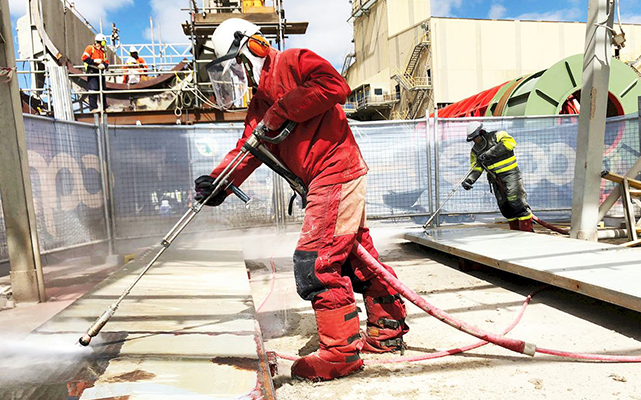
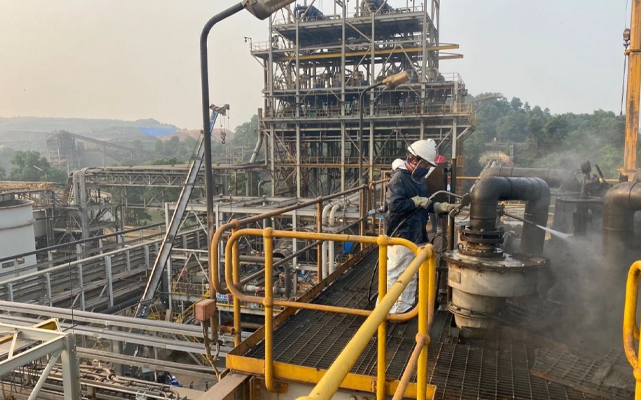
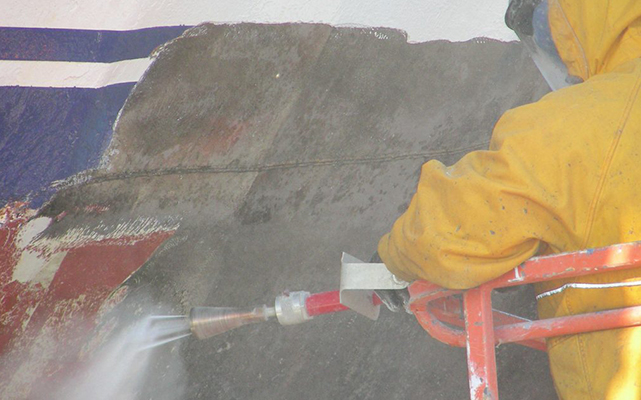
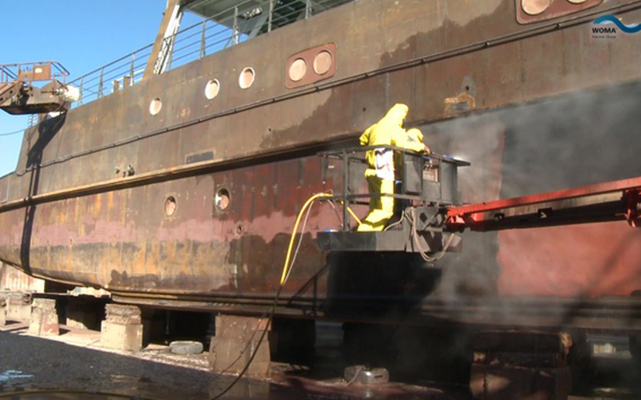
Understanding Ultra High Pressure Water Jetting Technology Ultra high pressure water jetting relies on a straightforward physical principle: water is pressurized by a triplex or intensifier pump, the...
READ MORE

Home > Catalogs > Cleaning tools > Foot valve

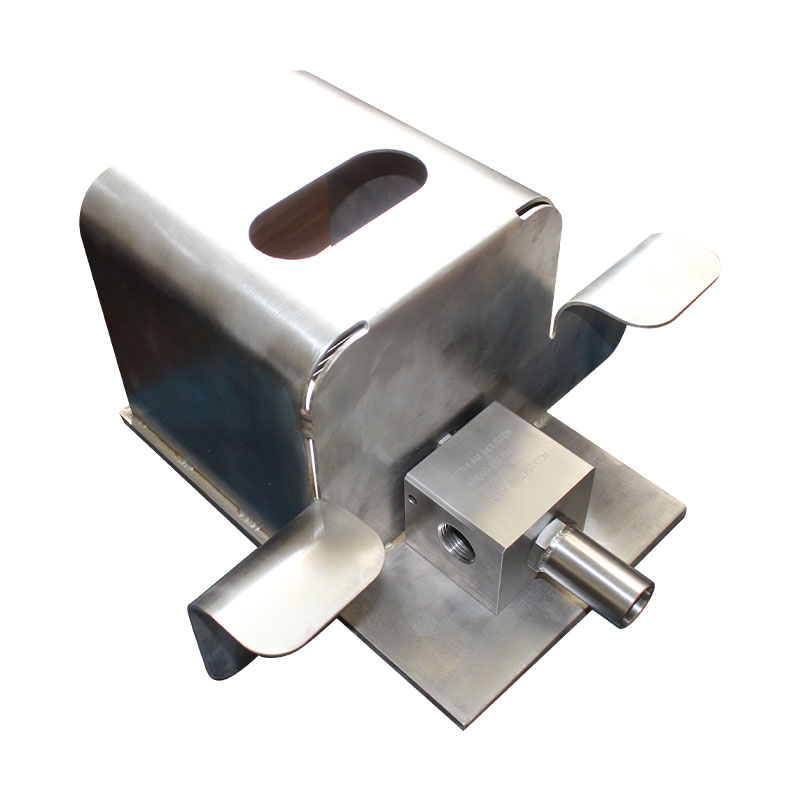
The High-Pressure Foot Valve with Safety Shield is a precision-engineered flow control component purpose-built for high-pressure fluid handling systems where operator safety and operational efficiency are paramount. This valve integrates a field-replaceable cartridge architecture that enables rapid maintenance intervention, compressing the cartridge replacement cycle to approximately thirty seconds and substantially reducing system downtime relative to conventional designs that require complete disassembly and extended service intervals.
The unit incorporates a comprehensive safety shield system comprising a custom safety cage and a thick blast wall, delivering enhanced personnel protection during both normal operation and routine maintenance activities. Its application scope spans industrial fluid control, hydraulic power systems, and process automation environments where dependable pressure management, reduced maintenance overhead, and robust operator safeguards are critical operational priorities. The valve's engineered construction addresses the demanding requirements of continuous-duty industrial applications while maintaining serviceability as a core design principle.
The safety shield system integrated into this foot valve represents a significant advancement in operator protection for high-pressure fluid control equipment. The custom-designed safety cage encloses the high-pressure components, creating a physical barrier that contains potential debris or fluid release events. This cage is complemented by a thick blast wall positioned to shield the operator from the primary pressure containment zone during both normal operation and maintenance procedures.
Together, these safety elements establish a multi-layered protective envelope that exceeds the protective capabilities of conventional foot control devices. The system is engineered to maintain its protective integrity under demanding operating conditions, providing consistent defense against pressure-related hazards. This design prioritizes operator safety without compromising accessibility for routine service tasks, achieving a balance between protection and practical maintainability.
The inlet and outlet connections on this foot valve are specifically engineered to outperform standard industry connections through a combination of refined geometry and advanced sealing technology. Rather than relying on conventional metal-to-metal contact that can degrade over time and lead to leakage, the design incorporates a replaceable seal element that maintains consistent sealing performance across the service life of the valve.
This sealing approach offers several operational advantages: reduced wear on mating surfaces, simplified field servicing, and more reliable leak prevention compared to traditional metal-seated designs. When seal replacement becomes necessary, the procedure can be completed without replacing the entire connection assembly, reducing both maintenance costs and spare parts inventory requirements. The connection system is compatible with standard piping configurations while delivering superior sealing integrity.
Material selection for this foot valve reflects a commitment to long-term durability and reliability in industrial environments. All pressure-bearing components are manufactured from stainless steel, providing inherent resistance to corrosion and mechanical degradation. This material choice ensures that the valve maintains its structural integrity and sealing performance even when exposed to moisture, chemicals, or other corrosive agents commonly encountered in processing and industrial applications.
The base and safety cage receive a zinc-plated finish, adding an additional layer of corrosion protection to non-pressure-bearing structural elements. This plating process creates a sacrificial barrier that protects the underlying metal from environmental attack, extending the service life of the entire assembly. The combination of stainless steel pressure components and zinc-plated structural elements delivers a comprehensive corrosion management strategy suitable for demanding industrial service conditions.
The thirty-second field-replaceable cartridge design is the cornerstone of this valve's maintenance philosophy. By consolidating the primary wear components into a single, easily accessible cartridge unit, the design enables rapid replacement without the need for complete valve disassembly or removal from the piping system. This approach dramatically reduces the time and labor required for routine maintenance, minimizing production interruptions and operational downtime.
The cartridge replacement procedure is straightforward and requires minimal specialized tools, allowing maintenance personnel to complete the task quickly and with confidence. This serviceability feature is particularly valuable in continuous-process industries where unplanned downtime carries significant cost implications. The design also supports predictive maintenance strategies by enabling scheduled cartridge replacements based on operating hours or cycle counts, further optimizing maintenance planning and resource allocation.
This foot valve is designed to integrate seamlessly into a wide range of industrial fluid control systems, including hydraulic power units, process automation lines, and high-pressure water or chemical handling systems. The threaded diffusion tubes incorporated into the design provide a convenient means for the collection or discharge of wastewater, condensate, or process fluids, enhancing the valve's utility in applications where fluid management is a secondary requirement.
The valve's compact footprint and standardized connection interfaces facilitate straightforward installation and integration with existing piping arrangements. Its robust construction and corrosion-resistant materials make it suitable for use in demanding environments, including those with exposure to moisture, chemicals, or temperature variations. The combination of rapid maintenance capability and reliable performance positions this valve as a practical solution for operators seeking to optimize both safety and productivity in high-pressure fluid control applications.
| Characteristic | This Foot Valve | Conventional Foot Valves |
|---|---|---|
| Maintenance Time | ~30 seconds (cartridge replacement) | Hours (full disassembly) |
| Operator Safety | Safety cage + blast wall | Basic or no protection |
| Connection Sealing | Replaceable seal | Metal-to-metal contact |
| Pressure Components | Stainless steel | Carbon steel or plated steel |
| Corrosion Protection | Zinc-plated base and cage | Basic paint or coating |
| Fitting Protection | Built-in wings | None |
| Wastewater Management | Threaded diffusion tubes | Separate drain connections |
This valve is engineered for high-pressure fluid control applications and supports pressure ratings consistent with industry standards for similar components in its class. The specific pressure capabilities should be verified based on the system design requirements and operating conditions. The stainless steel pressure-bearing construction ensures reliable performance across the full rated pressure range.
The cartridge is designed as a self-contained unit that can be accessed and replaced without removing the valve body from the pipeline. The procedure involves unlocking the cartridge housing, extracting the used cartridge, and inserting a fresh cartridge into the housing. The process is completed by securing the housing lock, with the entire operation taking approximately thirty seconds when performed by trained personnel.
The valve incorporates a comprehensive safety system that includes a custom safety cage enclosing the high-pressure components and a thick blast wall positioned to protect the operator. These elements work together to contain potential pressure releases and shield personnel from debris or fluid exposure. The safety cage and blast wall are engineered to maintain their protective function throughout the service life of the valve.
Routine maintenance activities include periodic inspection of sealing surfaces for signs of wear or damage, verification of the safety cage and blast wall integrity, and confirmation that the threaded diffusion tubes remain clear for proper wastewater collection or discharge. The zinc-plated base and cage should be inspected for corrosion or damage, though these components typically require minimal maintenance beyond standard cleaning and visual inspection.
Yes, the valve is designed with specially engineered inlet and outlet connections that accommodate standard piping interfaces while delivering superior sealing performance compared to conventional metal-to-metal contact designs. The connection system supports integration with a variety of piping materials and configurations, and adaptors are available for specific interface requirements, facilitating straightforward installation in both new and retrofit applications.
The threaded diffusion tubes serve as dedicated ports for the collection or discharge of wastewater, condensate, or other process fluids that may accumulate during system operation. These tubes provide a controlled pathway for fluid management, helping to maintain a clean operating environment and facilitating compliance with environmental or operational discharge requirements. The threaded design enables secure connection to appropriate collection or disposal systems.
The replaceable seal system eliminates the wear and galling issues associated with metal-to-metal contact in conventional connection designs. The seal element maintains consistent compression and sealing force over time, adapting to minor dimensional variations and thermal cycling without degrading sealing performance. When the seal eventually requires replacement, the procedure is straightforward and does not require replacing the entire connection assembly, reducing both maintenance costs and the risk of connection-related failures.


Understanding Ultra High Pressure Water Jetting Technology Ultra high pressure water jetting relies on a straightforward physical principle: water is pressurized by a triplex or intensifier pump, the...
READ MOREWhy Hose Size Is the Hidden Variable in Pressure Washer Output Most buyers focus on pump horsepower, PSI ratings, or nozzle style when they shop for cleaning equipment, yet the hose connecting the pu...
READ MOREIndustrial pipe maintenance, structural lining preparation, and municipal mainline clearance operations rely heavily on hydro-mechanical force. While the high-pressure displacement pump serves as the...
READ MOREWhen a main sewer line backs up, most homeowners face a choice between two methods: snaking or hydro jetting. While snaking has been the default for decades, main sewer line hydro jetting has grown i...
READ MOREUnderstanding high-pressure water jetting for professional drain cleaning and infrastructure maintenance. 1. Defining the Core: What Is a Sewer Jetter in Plumbing? A sewer jetter refers to a sp...
READ MORE
