 English
 Español
 عربى
عربى


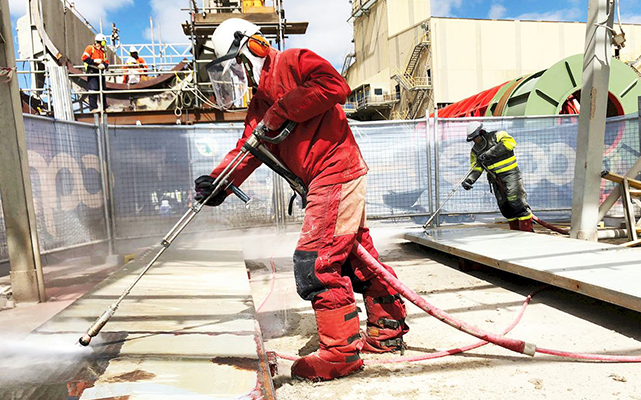
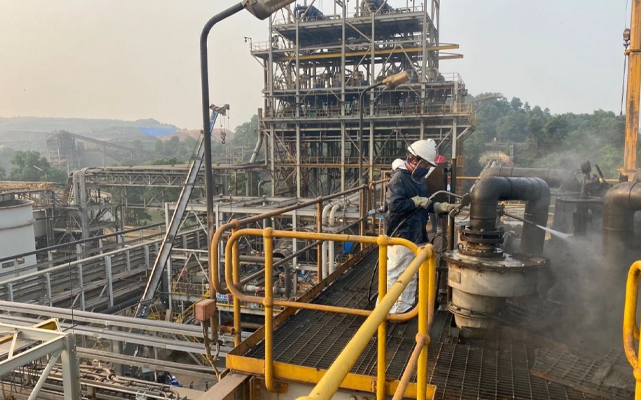
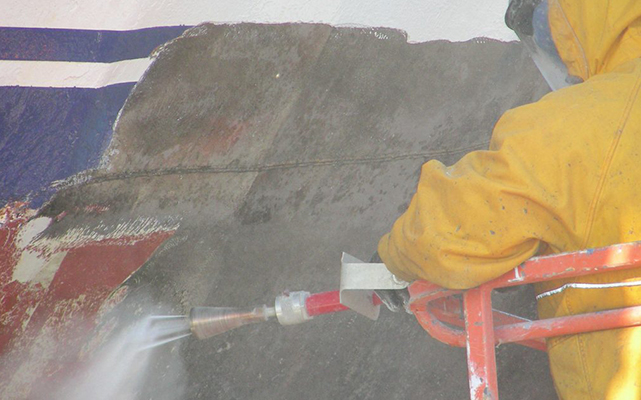
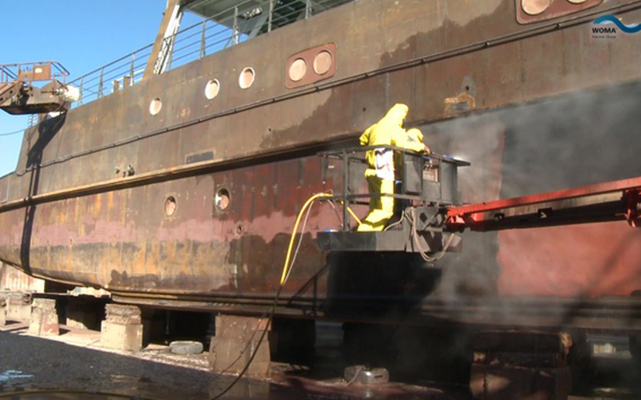
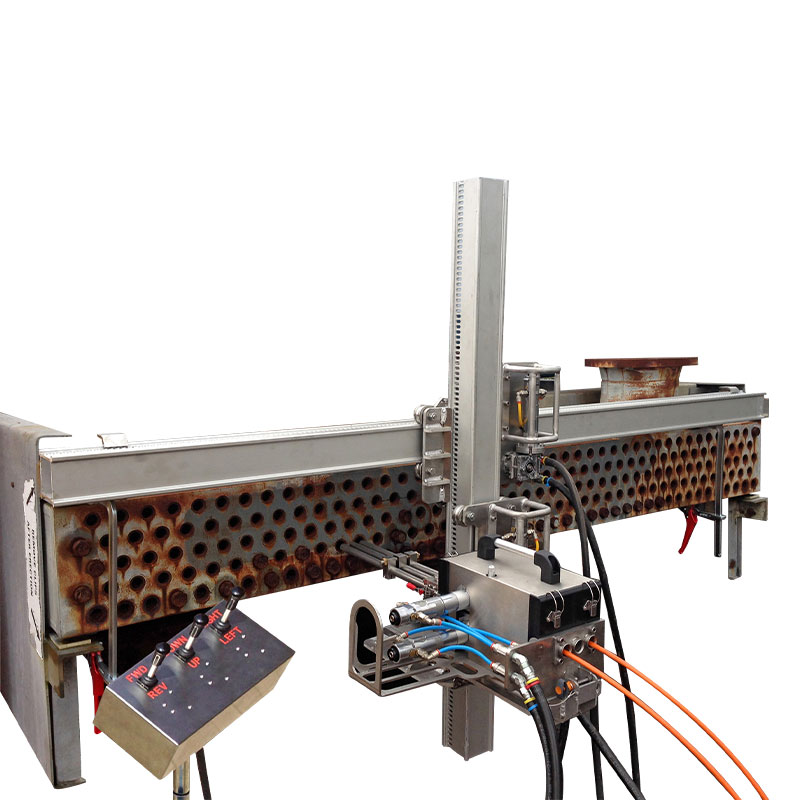
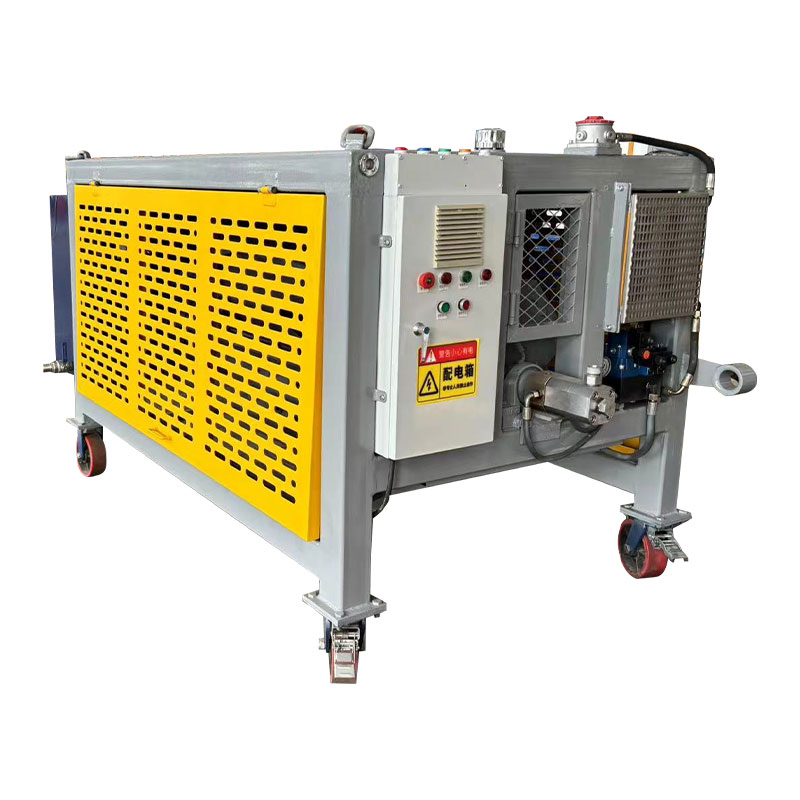
Understanding Ultra High Pressure Water Jetting Technology Ultra high pressure water jetting relies on a straightforward physical principle: water is pressurized by a triplex or intensifier pump, the...
READ MORE

Home > Catalogs > Cleaning tools > Heavy-Duty Hydraulic Hose Winding Machine
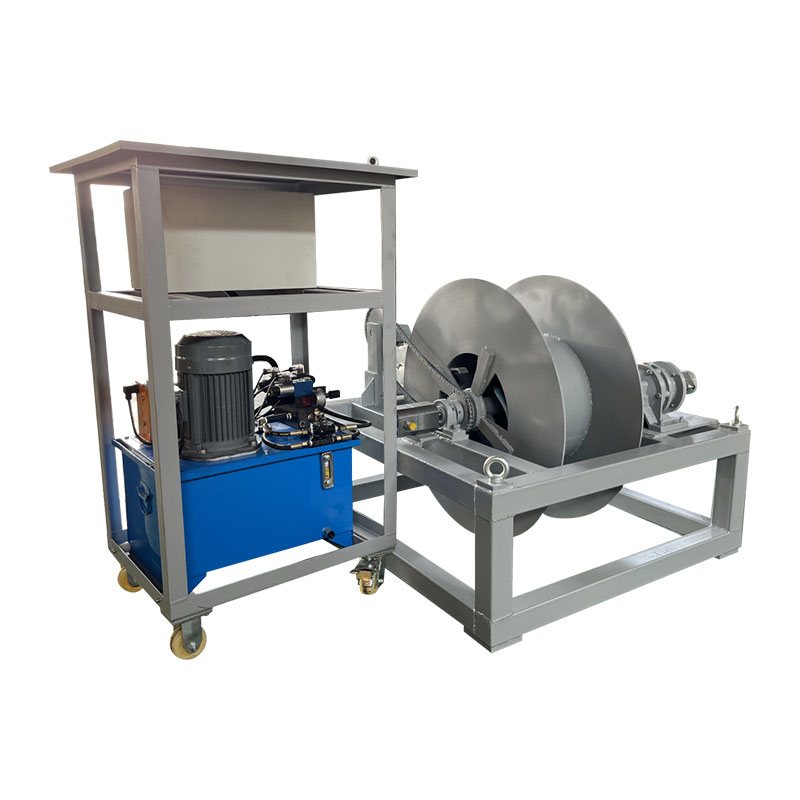
The Heavy-Duty Hydraulic Hose Winding Machine (model designation HOSE WINCH) is engineered for high-pressure hose handling tasks across industrial, construction, mining, and offshore service environments. Unlike electrically or manually operated winding units, this machine relies on a hydraulic-driven mechanism, drawing power directly from an existing hydraulic circuit rather than a dedicated electrical drive train. This characteristic makes it well suited to field conditions where stable electrical infrastructure is limited or where the equipment needs to remain compatible with hydraulic power units already in service.
Built to manage a maximum working pressure of 150 MPa (1500 Bar) and a designed flow rate of 167 L/min (44 GPM), the unit is positioned for heavy-duty hose winding operations that exceed the capacity of lighter-duty equipment. It is fitted with a standardized M24*1.5 connection thread for interfacing with high-pressure hose assemblies, and its motor is configured for a 380V, 50Hz power supply at a rated output of 4 kW. Together, these characteristics support consistent, repeatable winding performance across demanding industrial maintenance and fluid power applications.
| Specifications | Details |
|---|---|
| Model | HOSE WINCH |
| Max pressure | 150MPa (1500Bar) |
| Designed flow | 167L/Min (44GPM) |
| Driven type | Hydraulic driven |
| Motor Power | 4 KW 380V 50HZ |
| Connection | M24*1.5 |
Add the hydraulic oil into the oil tank.
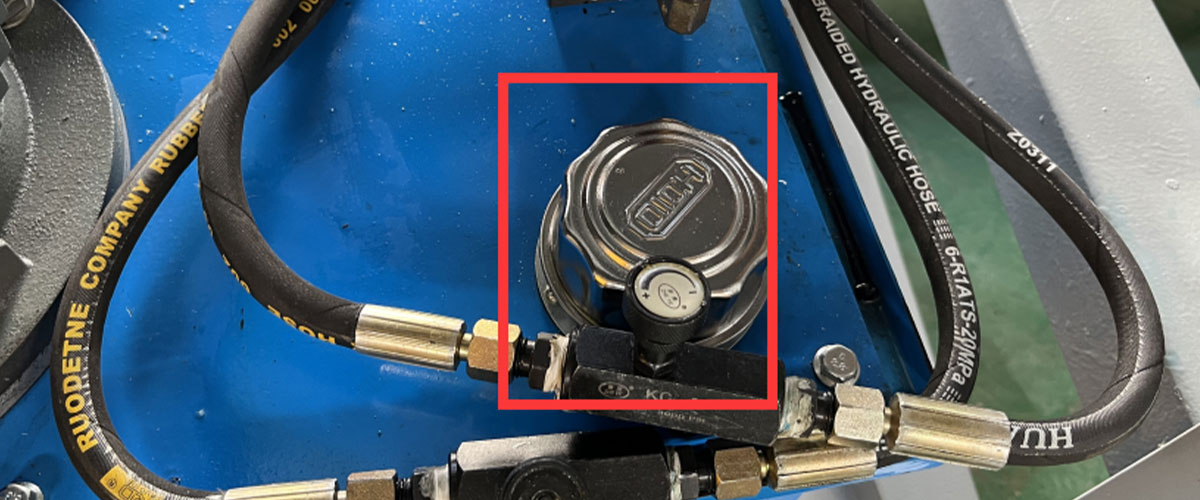
Connect the Hydraulic oil outlet with hose reel.
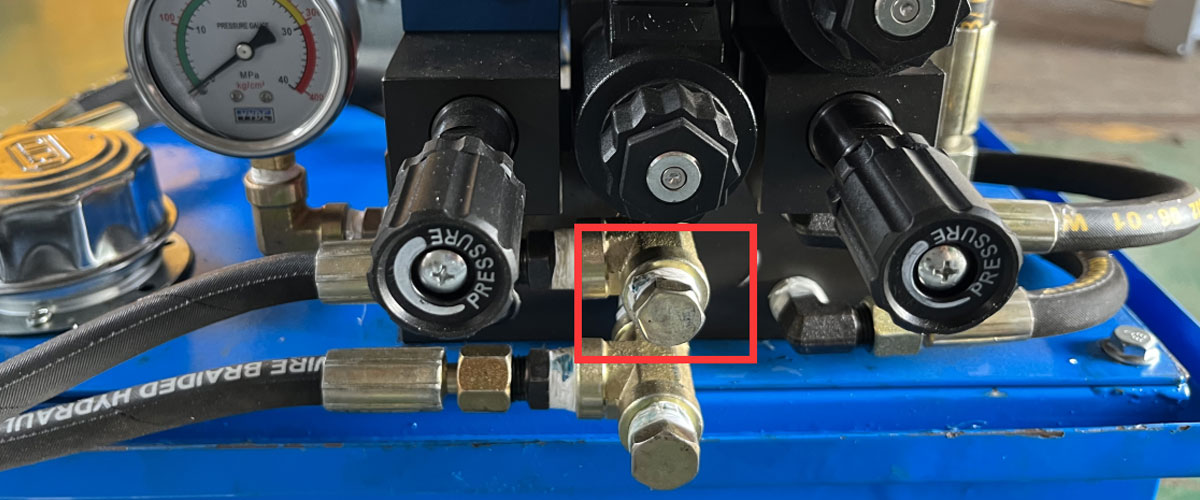
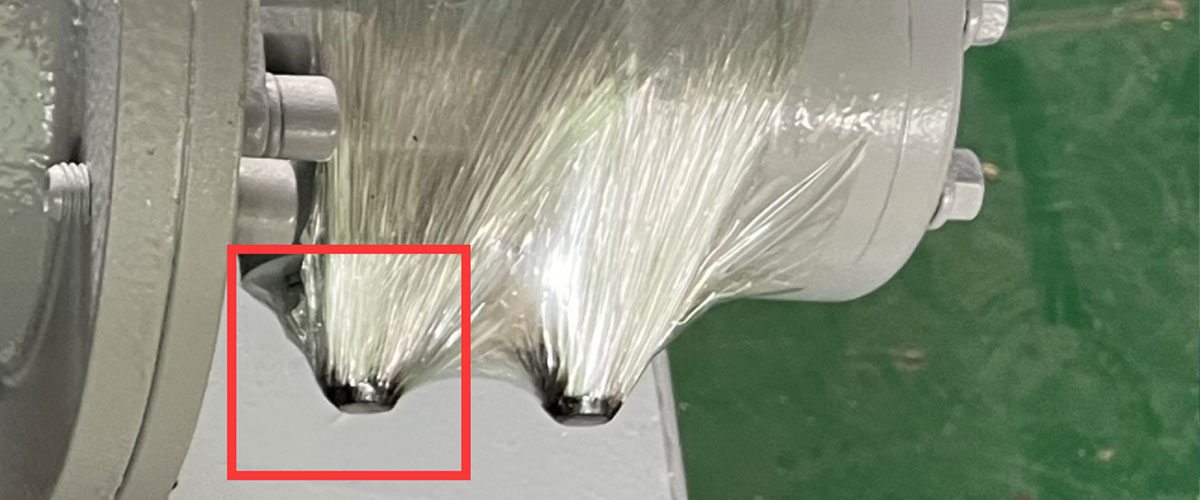
Connect the hydraulic oil back pipe with the returning position.
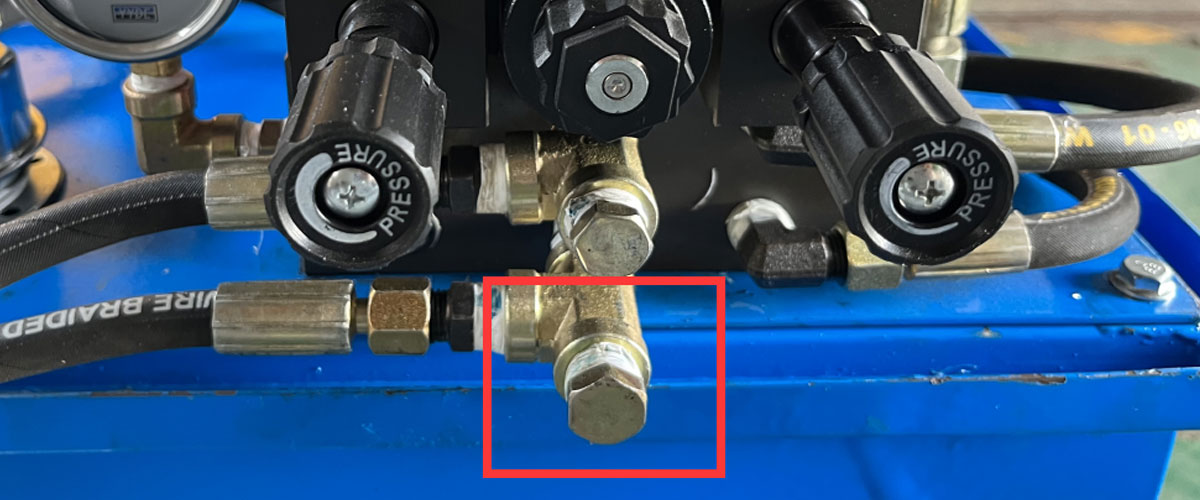
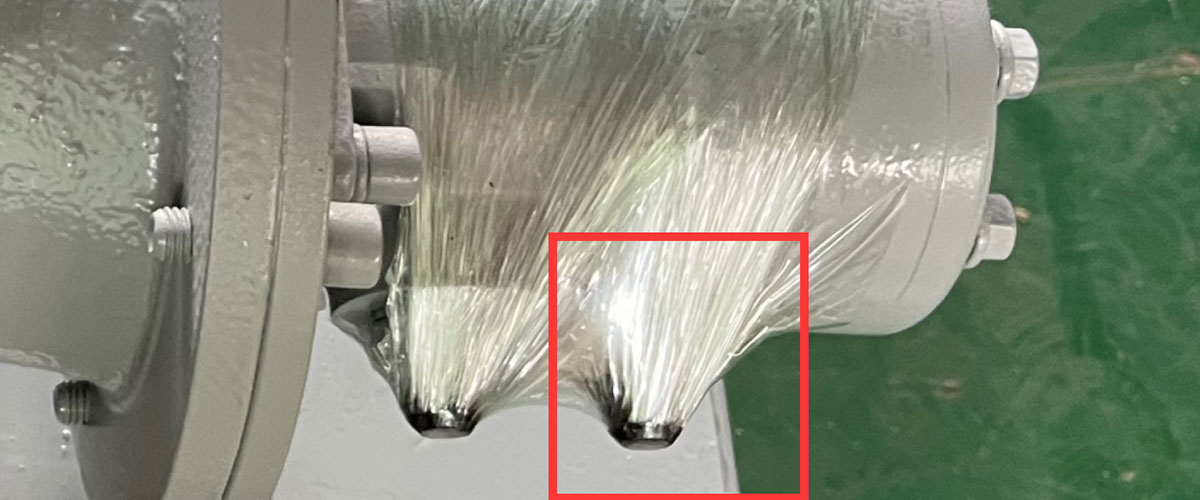
Connect the high pressure hose from pump to the hose reel.
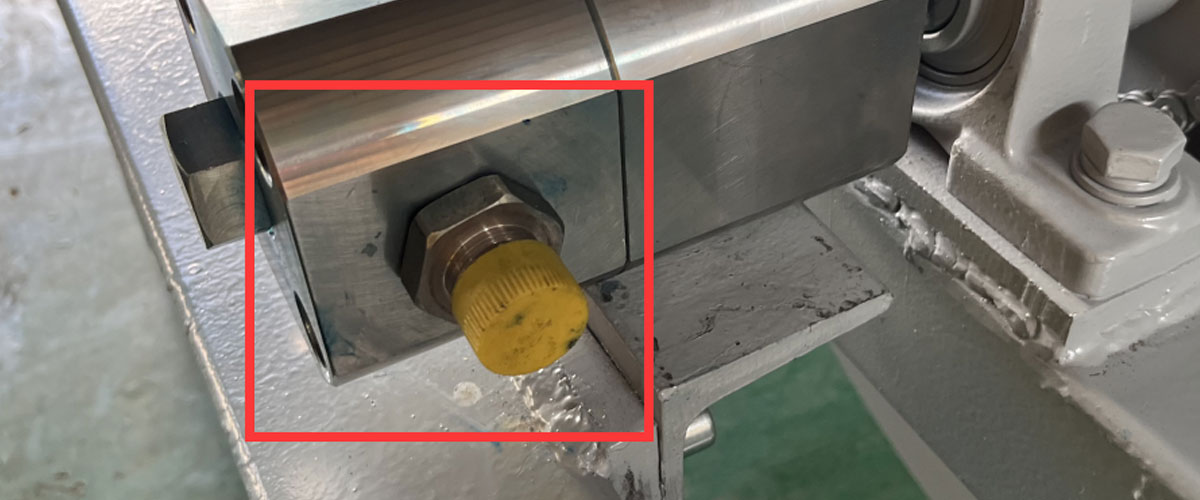
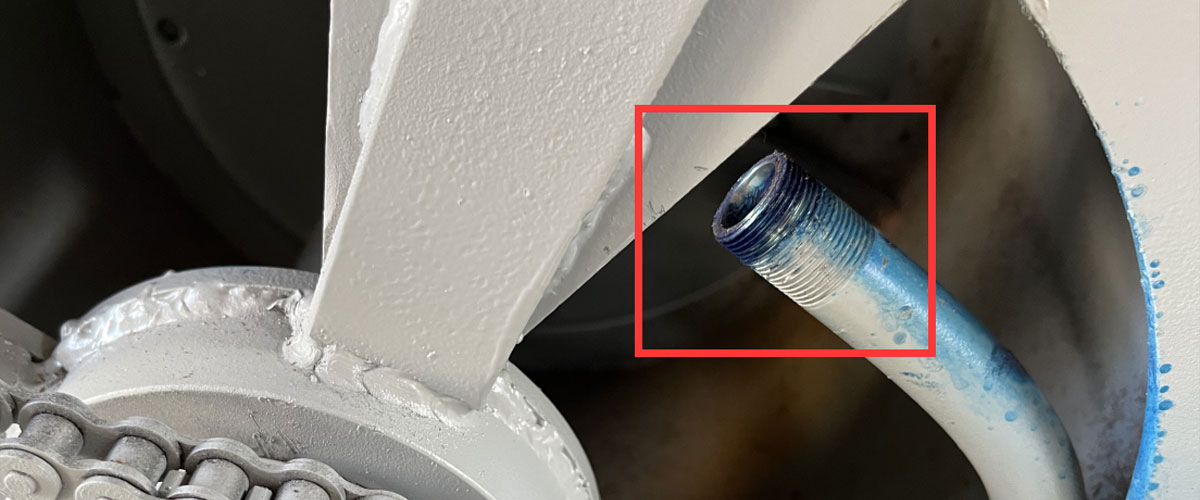
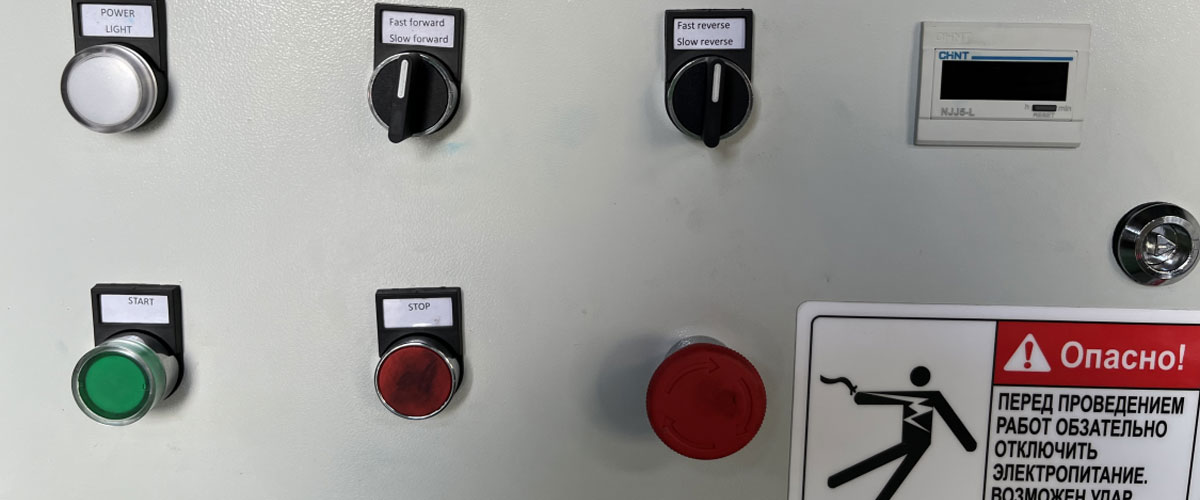
Press START to start working.
The winding mechanism is powered hydraulically rather than through an electric motor or manual crank, enabling operation in settings where dedicated electrical circuits are limited, such as oilfield sites, mining areas, and offshore platforms.
A maximum working pressure rating of 150 MPa (1500 Bar) aligns the unit with the pressure range typically generated when handling heavy-duty hydraulic hoses used in mining, construction, and industrial fluid power systems.
A designed flow rate of 167 L/min (44 GPM) allows the machine to accommodate fluid volumes produced by mid-to-large hydraulic power units, supporting steady, uninterrupted winding during operation.
The M24*1.5 threaded connection follows a recognized sizing standard for high-pressure hose fittings, simplifying integration into existing hose handling and hydraulic servicing setups.
The motor operates on a 380V, 50Hz power supply at a rated output of 4 kW, a configuration consistent with common industrial electrical infrastructure found in manufacturing and field service settings.
Mechanical components are built to withstand repeated high-pressure operating cycles, supporting use in continuous or high-frequency hose handling tasks typical of industrial maintenance environments.
The following sequence outlines the standard pre-operating and startup procedure for the unit:
The table below outlines how hydraulic, electric, and manual or pneumatic drive methods generally compare in hose reel winding equipment, providing context for the drive configuration used in this machine:
| Comparison Aspect | Hydraulic-Driven | Electric-Driven | Manual / Pneumatic-Driven |
|---|---|---|---|
| Power Source | Existing hydraulic power unit | Dedicated electric motor circuit | Manual operator force or compressed air supply |
| Typical Pressure Handling | Suited to heavy-duty, high-pressure hose systems | Suited to standard industrial pressure ranges | Suited to lighter-duty hose handling tasks |
| Electrical Infrastructure Requirement | Minimal, relies on the hydraulic circuit | Requires a stable electrical power supply | Minimal to none |
| Maintenance Focus | Hydraulic fluid, seals, and connections | Electrical components and motor wear | Mechanical wear components |
| Common Application Range | Oilfield, mining, offshore, heavy industrial | General industrial and workshop settings | Light-duty or occasional hose handling tasks |
The following questions address common considerations when evaluating or operating the Heavy-Duty Hydraulic Hose Winding Machine:
It is designed to wind and manage high-pressure hydraulic hoses during installation, replacement, and maintenance tasks across industrial, construction, mining, and oilfield service applications.
A hydraulic drive allows the unit to draw power from an existing hydraulic circuit, which is useful in field environments where a dedicated electrical power source for winding equipment may not be readily available.
The machine is rated for a maximum working pressure of 150 MPa (1500 Bar), corresponding to the pressure levels associated with heavy-duty hydraulic hose systems.
The unit is fitted with an M24*1.5 threaded connection, which determines compatibility with hose fittings that share the same thread standard.
The integrated motor is rated for a 380V, 50Hz power supply with an output of 4 kW; confirming this matches the available power source is recommended before connecting the unit.
The machine has a designed flow rate of 167 L/min (44 GPM), aligning it with hydraulic power units commonly used for heavy-duty hose winding tasks.


Understanding Ultra High Pressure Water Jetting Technology Ultra high pressure water jetting relies on a straightforward physical principle: water is pressurized by a triplex or intensifier pump, the...
READ MOREWhy Hose Size Is the Hidden Variable in Pressure Washer Output Most buyers focus on pump horsepower, PSI ratings, or nozzle style when they shop for cleaning equipment, yet the hose connecting the pu...
READ MOREIndustrial pipe maintenance, structural lining preparation, and municipal mainline clearance operations rely heavily on hydro-mechanical force. While the high-pressure displacement pump serves as the...
READ MOREWhen a main sewer line backs up, most homeowners face a choice between two methods: snaking or hydro jetting. While snaking has been the default for decades, main sewer line hydro jetting has grown i...
READ MOREUnderstanding high-pressure water jetting for professional drain cleaning and infrastructure maintenance. 1. Defining the Core: What Is a Sewer Jetter in Plumbing? A sewer jetter refers to a sp...
READ MORE
