 English
 Español
 عربى
عربى

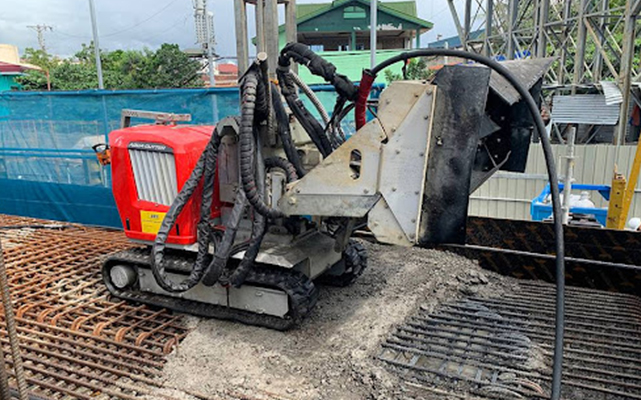
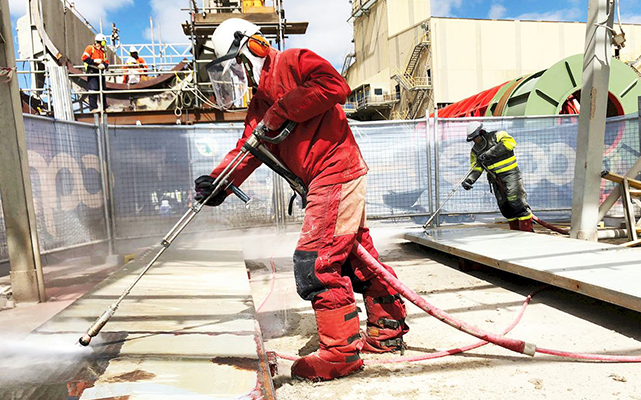
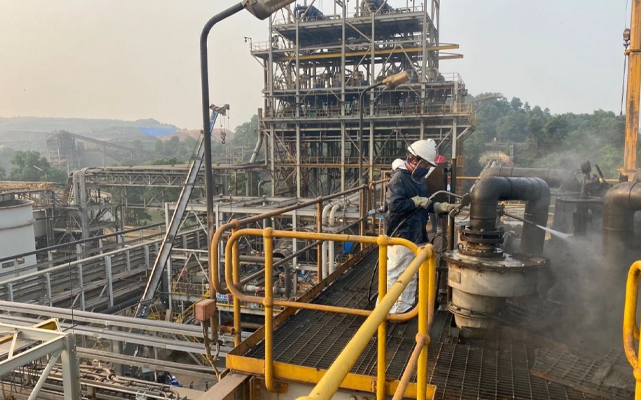
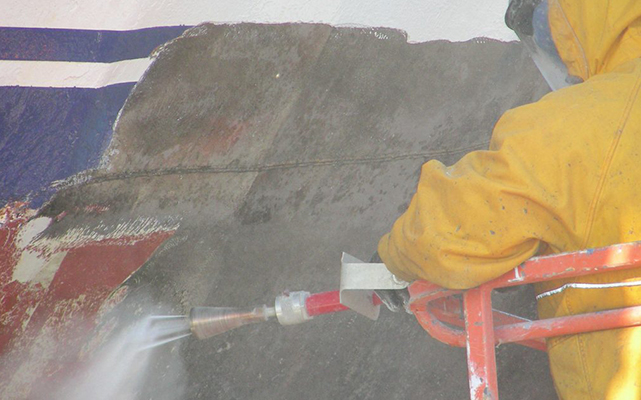
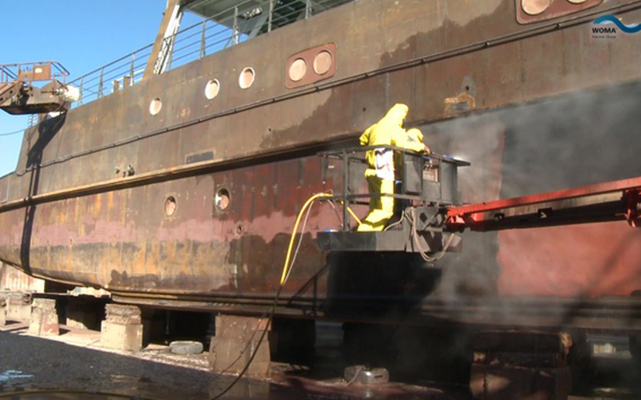
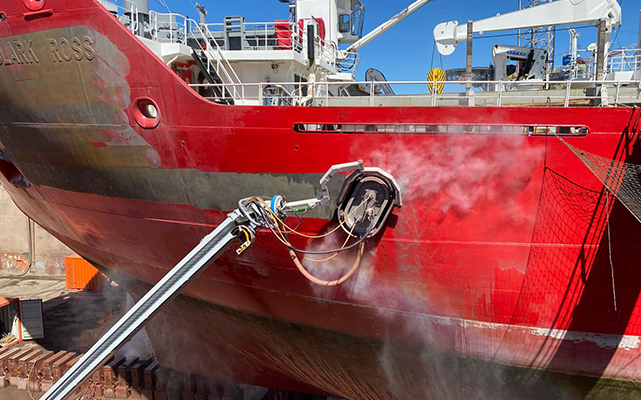
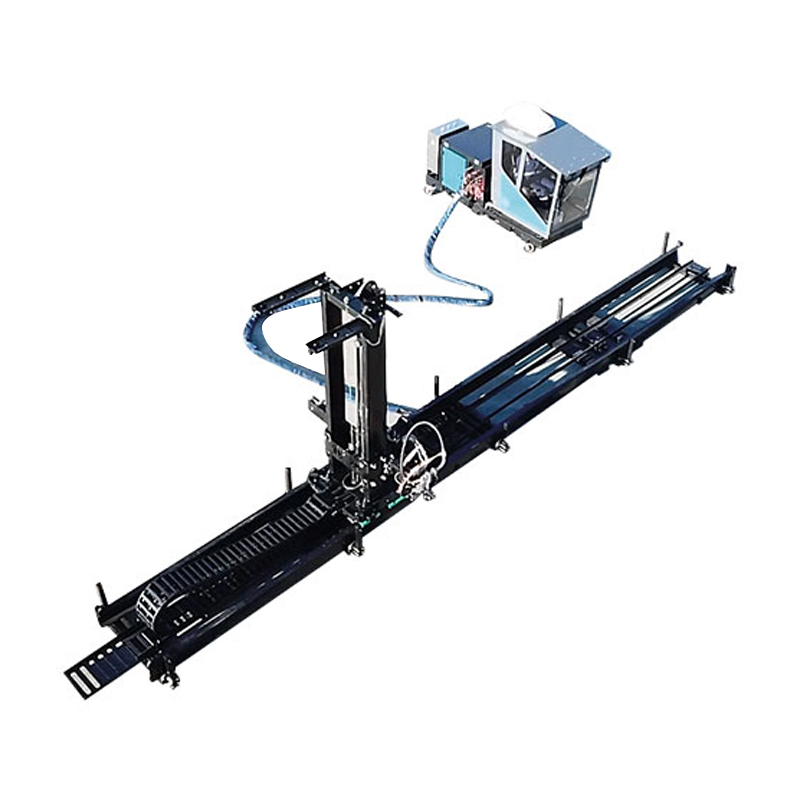
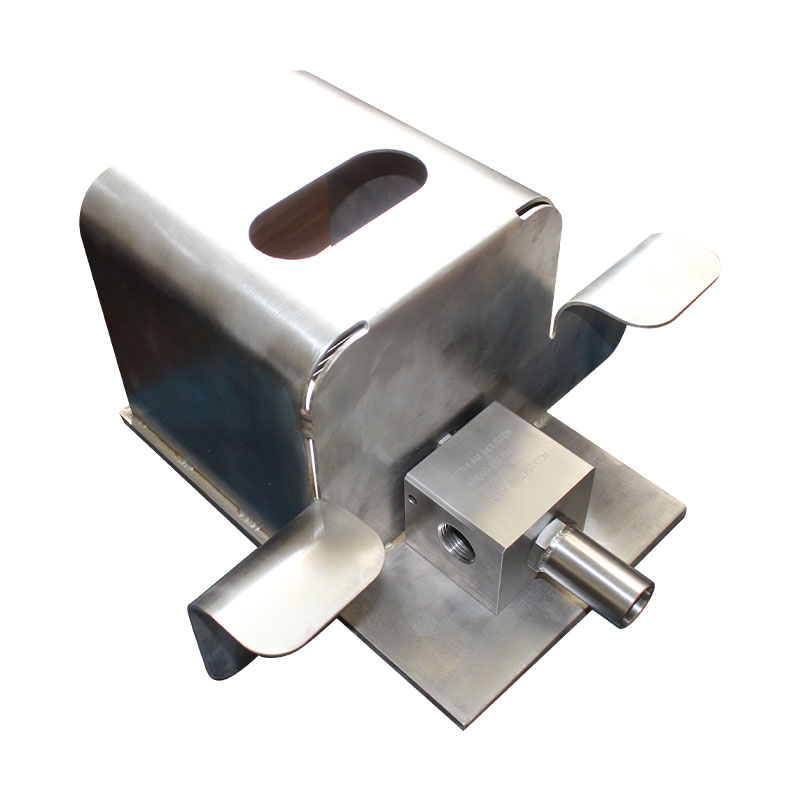
Understanding Ultra High Pressure Water Jetting Technology Ultra high pressure water jetting relies on a straightforward physical principle: water is pressurized by a triplex or intensifier pump, the...
READ MORE

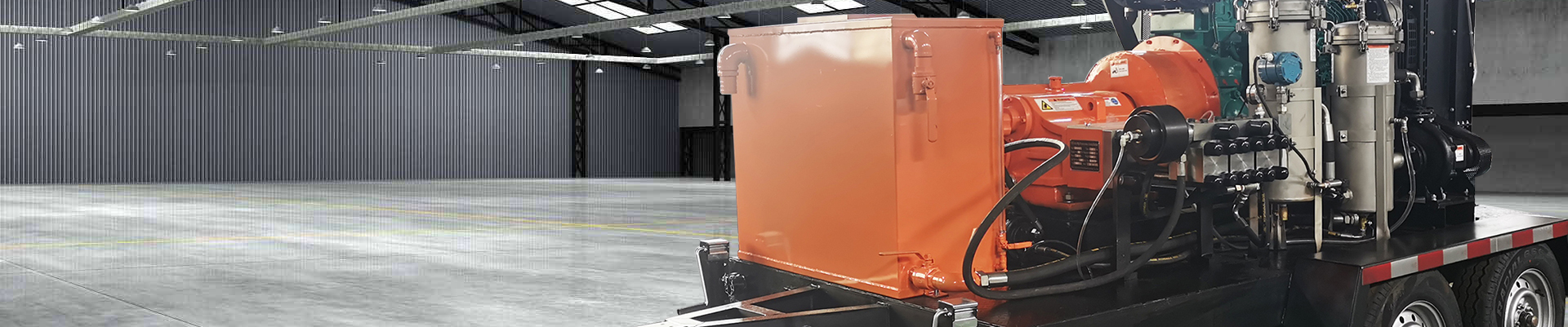
Home > Catalogs > Water Jetting Machine > 1500 Bar High Pressure Water Jet Pipe and Drain Cleaning Machine

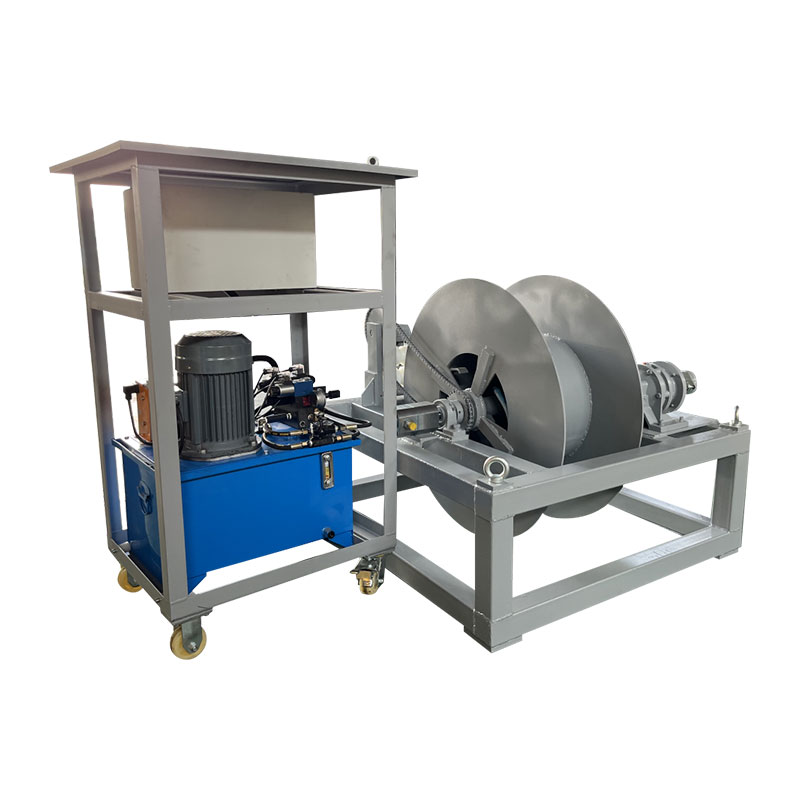
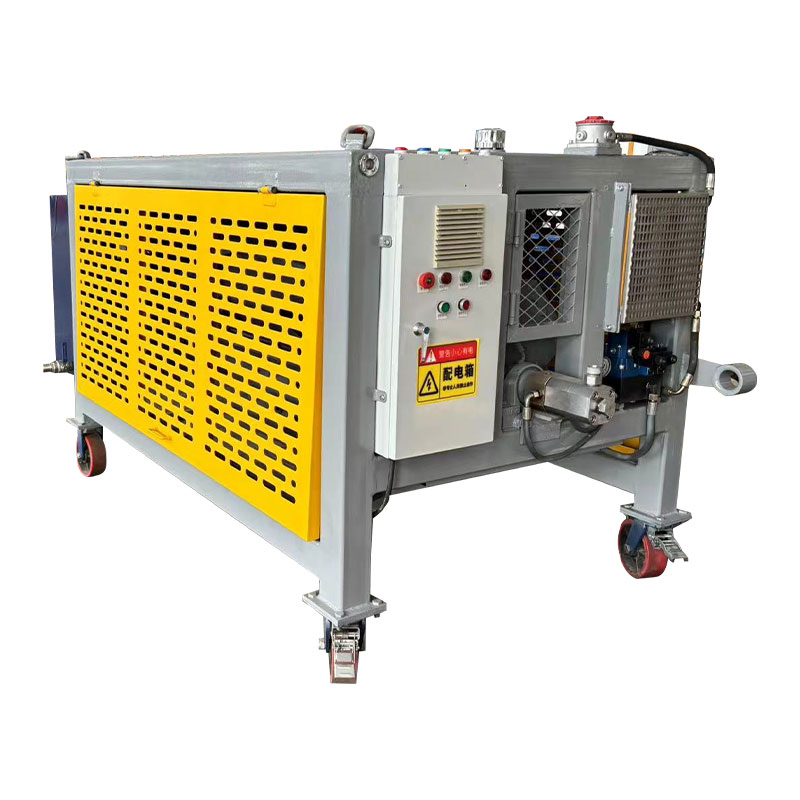
The 1500 Bar High Pressure Water Jet Pipe and Drain Cleaning Machine is engineered for clearing obstructions in pipe and drainage systems through pressurized water delivery. Operating at pressure levels up to 1500 bar, the unit is positioned to address medium to large blockages, including compacted debris and root intrusion, that often resist lower pressure cleaning methods. As part of the broader category of high pressure jetting equipment, it supports the restoration of flow capacity in pipelines without reliance on chemical agents or invasive excavation work.
Core components include a high efficiency pump system built around ceramic plungers, paired with a nozzle assembly designed to direct water flow precisely along the interior surface of a pipe. This configuration is intended to support consistent performance across repeated cleaning cycles and applies to a range of settings, from industrial process piping to municipal and residential drainage networks. The equipment is typically incorporated into routine maintenance programs aimed at reducing the frequency of blockage related service interruptions.
| Model | Plunger | Flow | Required power (kw) | D | r.p.m. | |||
| Diameter | 160kw | 200kw | 250kw | 280kw | n1 | n2 | ||
| (mm) | (l/min) | Operating pressure (bar) | ||||||
| WHY30018 | 18 | 34 | 2400 | 2760 | 1500 | 366 | ||
| WHY30020 | 20 | 41 | 1900 | 2400 | 2760 | 1500 | 366 | |
| WHY30022 | 22 | 50 | 1600 | 2000 | 2500 | 2800 | 1500 | 366 |
| WHY30024 | 24 | 60 | 1350 | 1700 | 2100 | 2500 | 1500 | 366 |
| WHY30026 | 26 | 70 | 1150 | 1430 | 1780 | 2000 | 1500 | 366 |
| WHY30028 | 28 | 81 | 980 | 1200 | 1540 | 1300 | 1500 | 366 |
| WHY30030 | 30 | 93 | 860 | 1100 | 1300 | 1600 | 1500 | 366 |
| WHY30032 | 32 | 106 | 750 | 950 | 1130 | 1380 | 1500 | 366 |
| WHY30034 | 34 | 120 | 680 | 850 | 1040 | 1200 | 1500 | 366 |
| WHY30036 | 36 | 134 | 600 | 750 | 930 | 1080 | 1500 | 366 |
| WHY30040 | 40 | 165 | 480 | 600 | 750 | 880 | 1500 | 366 |
| WHY30045 | 45 | 209 | 380 | 500 | 590 | 700 | 1500 | 366 |
| WHY30050 | 50 | 259 | 310 | 400 | 480 | 560 | 1500 | 366 |
| WHY30055 | 55 | 313 | 250 | 320 | 400 | 470 | 1500 | 366 |
| WHY30060 | 60 | 372 | 220 | 280 | 330 | 390 | 1500 | 366 |
| WHY30065 | 65 | 437 | 180 | 220 | 280 | 330 | 1500 | 366 |
| WHY30070 | 70 | 507 | 160 | 200 | 240 | 290 | 1500 | 366 |
| WHY30075 | 75 | 582 | 140 | 170 | 210 | 250 | 1500 | 366 |
The table below outlines general characteristics of common drain cleaning approaches. Actual outcomes vary depending on blockage composition, pipe condition, and operating practice.
| Cleaning Method | Effectiveness on Root Intrusion | Use of Chemical Agents | Typical Setting |
|---|---|---|---|
| High Pressure Water Jetting | High, due to mechanical force distributed across the pipe wall | None | Industrial, municipal, and commercial systems |
| Mechanical Rodding or Snaking | Moderate, generally limited to creating a passage through the blockage | None | Residential and light commercial systems |
| Chemical Drain Treatment | Low, less effective against dense root masses | Yes | Residential systems |
A 1500 bar rating places the equipment toward the higher end of pressure levels used in pipe and drain maintenance, generally suited to blockages such as compacted debris and root intrusion that are more resistant to clearing at lower pressure settings.
The equipment applies to industrial and municipal pipe systems as well as residential and commercial drain systems, with operating conditions generally selected according to the pipe material and blockage type encountered in each setting.
High pressure water jetting is generally more effective on dense root intrusion, since pressurized water can break apart root material across a wider area of the pipe wall. Mechanical rodding methods are typically limited to creating a passage through the blockage rather than fully clearing the surrounding material.
Common practices include inspecting plungers and seals for wear, using inline water filtration to limit debris entering the pump, and checking hoses and fittings for damage before each operating session, given the mechanical stress associated with sustained high pressure use.
Yes. The equipment is commonly used together with inspection methods such as camera based pipeline inspection, either to clear material ahead of an inspection pass or to address blockages identified during an inspection.
No. The cleaning process relies on mechanical force generated by pressurized water rather than chemical agents, which distinguishes it from chemical drain treatment methods that depend on dissolving or breaking down blockage material.


Understanding Ultra High Pressure Water Jetting Technology Ultra high pressure water jetting relies on a straightforward physical principle: water is pressurized by a triplex or intensifier pump, the...
READ MOREWhy Hose Size Is the Hidden Variable in Pressure Washer Output Most buyers focus on pump horsepower, PSI ratings, or nozzle style when they shop for cleaning equipment, yet the hose connecting the pu...
READ MOREIndustrial pipe maintenance, structural lining preparation, and municipal mainline clearance operations rely heavily on hydro-mechanical force. While the high-pressure displacement pump serves as the...
READ MOREWhen a main sewer line backs up, most homeowners face a choice between two methods: snaking or hydro jetting. While snaking has been the default for decades, main sewer line hydro jetting has grown i...
READ MOREUnderstanding high-pressure water jetting for professional drain cleaning and infrastructure maintenance. 1. Defining the Core: What Is a Sewer Jetter in Plumbing? A sewer jetter refers to a sp...
READ MORE
